← The Global Intelligence Brief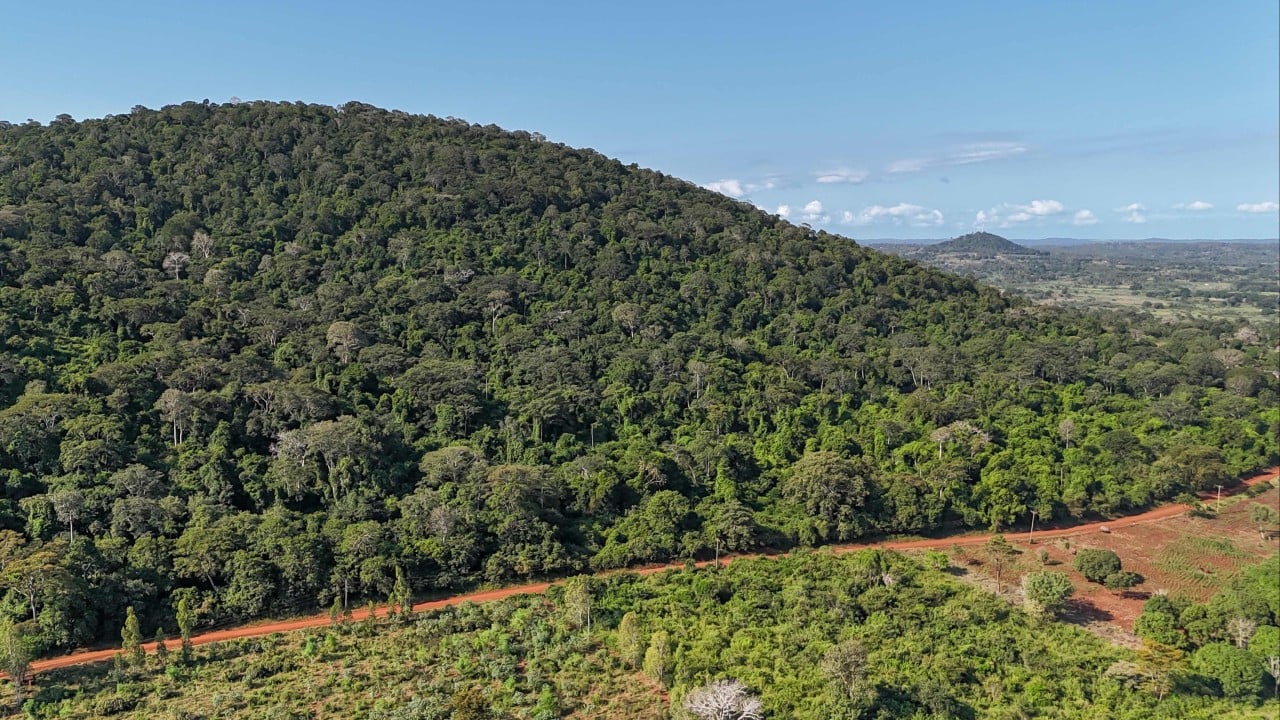

 3 sources
Morning Edition · Sunday, September 27, 2026Published at 1:23 AM EDT · New York
Kenya, Indonesia and Greenland Show Minerals and Rail Becoming Instruments of Bloc Competition
US-led and Chinese bidders are competing for a rare-earth site on Kenya's coast, Jakarta weighs Chinese finance for a 2,772-kilometre railway, and the new Arctic security pact bars Chinese investment outright.
Mrima Hill, a site about 65 kilometres southwest of Mombasa on Kenya's Indian Ocean coast, holds rare earths and niobium and is regarded as sacred by local communities. It has now become a contested asset in the US-China minerals rivalry, with American-led and Chinese bidders competing for development rights and residents contesting who benefits.
Indonesia is weighing a larger commitment. Jakarta is considering Chinese investment for a 2,772-kilometre rail network across Kalimantan, following the Jakarta to Bandung high-speed line. Indonesian officials have approached the project with caution, having absorbed the cost overruns and debt terms of the earlier line, but the resource wealth of Kalimantan and the absence of comparable alternative financing keep Beijing in the conversation.
In contrast, Washington has written exclusion into law. The security agreement signed on September 22 with Denmark and Greenland allows two new American bases and expanded use of Pituffik, and it bars non-NATO bases on the island while limiting investment by adversaries, a provision that keeps Chinese and Russian capital out of Greenlandic mining and infrastructure. The Russian state agency TASS quoted military analyst Vasily Stepanov describing the agreement as a diplomatic victory for the United States that expands its military presence through a planned naval facility in the south of the island.
Three sites, three models: open competition in Kenya, hedged dependence in Indonesia, and legal exclusion in Greenland. Governments are no longer treating mineral deposits and transport corridors as commercial questions.
Part of a tracked trend
China Anchors a Parallel Bloc
China keeps deepening ties with neighbors and Global South states through high-level diplomacy, assembling a bloc that runs parallel to Western-led alliances and hardens a multipolar order.
Veracity: Corroborated
78/100- If true, who benefits
American-linked bidders and Arctic defence contractors gain from exclusion clauses and tender access, Chinese contractors gain from Indonesia's lack of alternative financing, and host governments gain bargaining power they can monetise only if they survive the domestic politics of choosing.
- The nuance
The Kenyan tender is real and shortlisted, but no award has been made, the Kalimantan railway has no memorandum, cost estimate or financing commitment and Indonesian officials have courted Russian as well as Chinese money, which the three-model framing omits, and the Greenland investment restrictions take effect only if the Danish and Greenlandic parliaments ratify.
An open-source-intelligence read of how likely this story is true with its real nuance, not a judgment of any outlet. It assesses the claim, weighing independent and adversarial reporting. How we label confidence.
What this means
The mechanism is the politicisation of upstream supply. When access to deposits and corridors is allocated by treaty and security clause rather than by price, project costs rise for everyone and the cost of capital diverges by bloc. The exposed parties are Western processors that still depend on Chinese refining capacity for rare earths, Chinese contractors whose pipeline of projects now faces explicit legal bars in Arctic and allied jurisdictions, and host governments such as Kenya and Indonesia, which gain bargaining power but also inherit the political risk of choosing. Beijing wants long-dated physical control of inputs and will pay above commercial rates for it. Washington wants exclusion where it has leverage and competitive bids where it does not. The precedent is Indonesia's nickel export ban of 2020, which forced processing onshore and redirected billions in Chinese investment within three years. The likelier outcome over the coming years is more bloc-specific pricing for critical minerals, with parallel contracts and parallel benchmarks, unless a mineral-specific trade understanding emerges from US-China talks. Kenyan community litigation blocking the Mrima Hill award would show that host-country politics, rather than great-power preference, still determines the outcome.
Synthesized from: South China Morning Post (Kenya) · South China Morning Post (Indonesia) · TASS
Townsquare
Start a discussion in Townsquare.
More from this edition
- Iran Says It Captured a Second US Underwater Drone in Hormuz as Trump Rejects Reopening Plan
- Long-Dated Treasury Yields Reach Multi-Decade Highs as Equities Still Close the Week Up
- Gold Sits About 23 Percent Below Its January Peak While Bitcoin Rallies With Equities
- Saudi Coalition Intercepts Missiles and Drones Aimed at Riyadh and Khamis Mushait
- Trump Says Xi 'Understands' His Taiwan Position as Beijing Presses for a US Statement Against Independence
- Investment-Grade Diamond Prices Fall to Their Lowest Recorded Level as De Beers Bets on Natural Stones
- Lavrov Rejects German Call to Step Back, Invoking the Second World War in Rare Talks
Comments
0No comments yet.