← The Global Intelligence Brief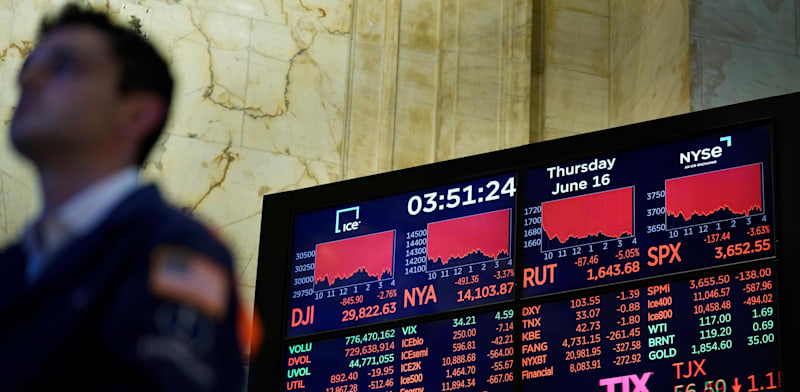

 3 sources
Morning Edition · Thursday, October 1, 2026Published at 1:16 AM EDT · New York
Bitcoin Loses Its Move Above $85,000 as Yields Refuse to Fall
Gold held near $4,177 an ounce and silver near $60 while bitcoin slipped back toward $83,500, extending the split between the metals and the digital asset.
Bitcoin rose above $85,000 on Wednesday after the softer United States inflation report and then surrendered the gain. CoinDesk reported that the advance to about $85,500 faded because Treasury yields stayed near their highest levels since 2002. By the start of October the price was back around $83,500, with the 10-year Treasury near 5.3% (usethebitcoin).
The monetary metals behaved differently. Gold closed Wednesday at about $4,177 an ounce and silver at about $60, holding their levels through a session in which risk assets struggled to keep their gains. Metals have spent this cycle pricing the persistence of inflation and the demand of central banks for reserves that no other government can freeze. Bitcoin has spent it pricing liquidity.
The equity market offered the same signal from the other direction. Globes reported that Mike Wilson, chief strategist at Morgan Stanley, argued a moderate decline in share prices would be healthy because it would reduce the risk of a sharper correction later. Its morning market summary noted that the lower-than-expected inflation reading did not bring government bond yields down, leaving risk assets dependent on the employment report for direction.
For bitcoin the arithmetic is straightforward. When a government bond pays above 5% for ten years, an asset that pays nothing has to compete on expected price appreciation alone, and that competition tightens every time the long end sells off. This is the third consecutive macro event this quarter in which the digital-gold description did not hold while the metal itself did.
Part of a tracked trend
Bitcoin Trades as a Risk Asset, Not Digital Gold
At each geopolitical or inflationary stress point, bitcoin keeps trading with liquidity-sensitive risk assets rather than with monetary metals, so the digital-gold framing continues to fail exactly when investors most want it to hold.
What this means
The channel is the discount rate and the opportunity cost of holding a non-yielding asset. Holders exposed to it are leveraged crypto traders and the listed vehicles and treasury companies whose valuations assume continuous inflows, while gold and silver holders are exposed to a different variable, which is official reserve demand and real rates. What is already expected is that bitcoin trades with technology and liquidity-sensitive assets. What is new is that it failed to hold a rally on an inflation print that was friendly to it, which tells you positioning is thin rather than conviction-driven. The precedent is the 2022 tightening cycle, when bitcoin fell with the Nasdaq while gold held a far narrower range. The likelier path over the coming weeks is continued correlation between bitcoin and equity risk appetite, with the metals trading off real yields and central-bank buying instead. A sustained fall in long-term yields alongside renewed bitcoin strength while gold stalls would be the evidence that breaks this read.
What to watch
- Whether gold and bitcoin move in the same direction on the next inflation or geopolitical surprise, which is the simplest test of the digital-gold claim.
- Flows into and out of listed bitcoin funds in the days after the United States employment report, since they show whether institutional buyers treat weakness as an entry point or a reason to reduce.
- Silver's behaviour relative to gold, because industrial demand and monetary demand pull it in different directions and the ratio shows which one is dominant.
Observations to monitor, not financial advice.
Synthesized from: CoinDesk · Globes (Hebrew) · Globes (Hebrew)
Townsquare
Start a discussion in Townsquare.
More from this edition
- Long Bonds Keep Falling Even After United States Inflation Cools
- South Korea's September Exports Reach $120.9 Billion as Chip Sales Triple
- United States Completes Iraq Withdrawal as Tehran Receives Washington's Reply
- Pakistan Strikes Two Sites in Afghanistan, Kabul Says Nine Civilians Killed
- Japan Tightens Residency Rules on the Day Takaichi Promises a Growth Plan
- Cockpit Attack on Dubai-Tel Aviv Flight Prompts Saudi Arrest and Competing Accounts
- Huawei Puts Self-Designed Kirin Chips Across the Mate 90 Line
- Researchers Say AI Agents Probed Government Websites and Hid Their Tracks
Comments
1Oct 1, 5:16 AM · edited
Gold near $4,177 and silver near $60 put the ratio around 70, so the metals bid is broad, and the test for bitcoin is whether it regains $85,000 only after the 10 year drops back under 5.3%.