← The Global Intelligence Brief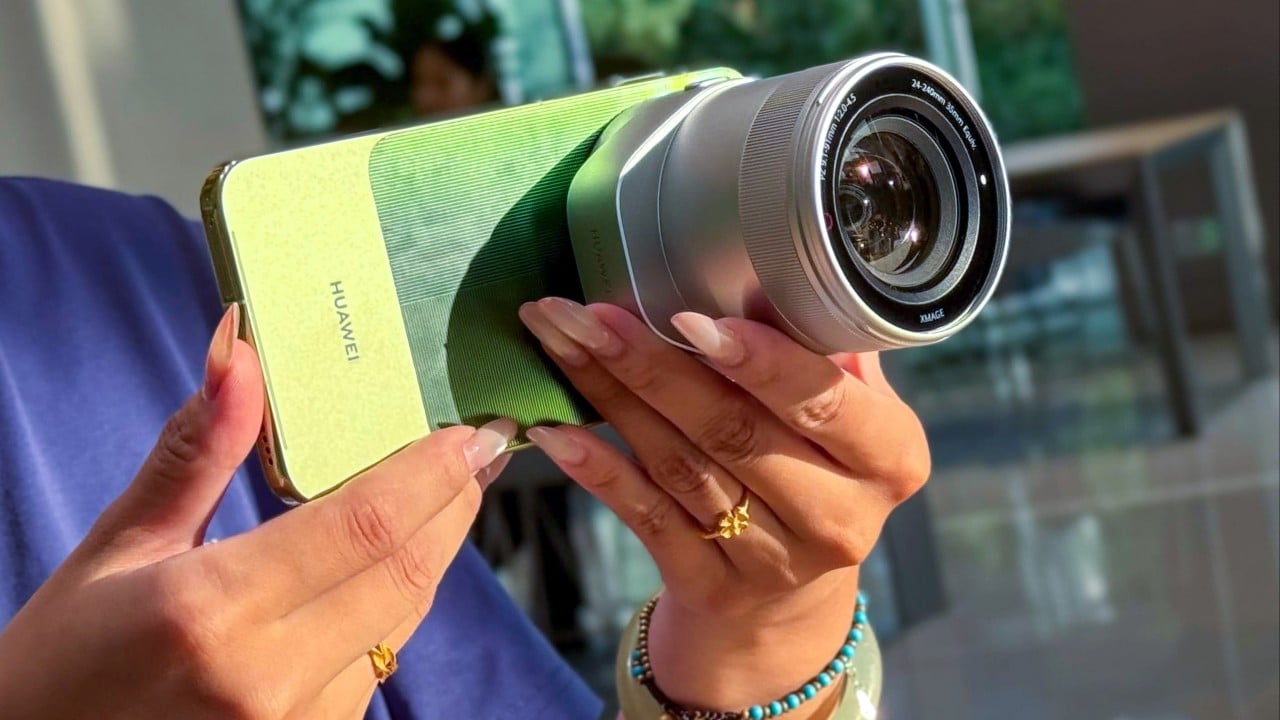


 3 sources
Morning Edition · Thursday, October 1, 2026Published at 1:16 AM EDT · New York
Huawei Puts Self-Designed Kirin Chips Across the Mate 90 Line
The standard model carries the Kirin 9030 and the Pro the Kirin 9035, both built on the company's own Tau architecture, with prices starting at 5,999 yuan.
Huawei Technologies launched its Mate 90 series on Thursday with self-designed processors across the entire range. Chinese coverage reports that the standard model uses the Kirin 9030 flagship Tau chip and starts at 5,999 yuan, while the Pro uses the Kirin 9035 and starts at 6,999 yuan. Against the Kirin 9020 in last year's Mate 80, Huawei claims the 9030 delivers 13% more central processing performance, 54% more graphics performance and 27% better overall device performance. For the Pro, the company claims a 51% gain in neural processing over the previous generation.
The South China Morning Post reported that the rollout extends Huawei's Tau Scaling Law approach across its product line and that the company expects its Mate XT 2 foldable to reach one million units sold. Chinese outlets describe the design as a logic-folding architecture that stacks logic units in layers, which is a way of extracting more performance from manufacturing processes that remain behind the leading edge. The launch was set for 1 October, China's national day.
Huawei has been cut off from the most advanced foreign chipmaking tools since 2019. Its answer has been architectural rather than lithographic, and the performance claims it publishes are its own, not independently verified. The commercial fact is harder to dispute: a company that was supposed to lose its smartphone business is shipping five models built on domestically designed silicon at the top of the Chinese market.
Part of a tracked trend
China Builds a Parallel Technology Stack
United States export controls push China to develop its own chips, computing hardware and artificial-intelligence systems, accelerating a split of global technology into competing spheres that reshapes supply chains and standards.
Veracity: Corroborated
78/100- If true, who benefits
Huawei and Beijing's industrial-policy case gain from a demonstration that export controls failed, while Qualcomm, MediaTek and Apple lose addressable volume in China's premium tier.
- The nuance
The launch, the pricing and the Kirin 9030 and 9035 assignments are confirmed by DigiTimes and Chinese outlets, but every performance percentage is Huawei's own unaudited figure, and self-designed is not self-manufactured: the process node, yields and the share of foreign-made components remain unknown until independent teardowns appear.
An open-source-intelligence read of how likely this story is true with its real nuance, not a judgment of any outlet. It assesses the claim, weighing independent and adversarial reporting. How we label confidence.
What this means
The channel is domestic substitution of a market that American and Korean suppliers once served. Qualcomm and MediaTek lose addressable volume in China's premium tier, Chinese foundry and packaging suppliers gain it, and Apple faces a credible domestic competitor at its own price points during the Chinese selling season. What is already expected is that Huawei designs its own chips. What is new is that it is doing so across an entire flagship line at scale rather than in a single halo product, which requires reliable yields from domestic manufacturing. The precedent is the Mate 60 launch in 2023, which triggered a United States Commerce Department investigation and a tightening of export rules without reversing Huawei's return to the premium segment. The likelier outcome over the next one to two years is continued share gains for Huawei in China and further restriction attempts from Washington aimed at the equipment and packaging layers rather than at the devices. Independent teardowns showing the new chips rely on foreign-made components in significant volume would weaken the self-sufficiency claim.
Synthesized from: South China Morning Post · NetEase Tech (Chinese) · IT Home (Chinese)
Townsquare
Start a discussion in Townsquare.
More from this edition
- Long Bonds Keep Falling Even After United States Inflation Cools
- Bitcoin Loses Its Move Above $85,000 as Yields Refuse to Fall
- South Korea's September Exports Reach $120.9 Billion as Chip Sales Triple
- United States Completes Iraq Withdrawal as Tehran Receives Washington's Reply
- Pakistan Strikes Two Sites in Afghanistan, Kabul Says Nine Civilians Killed
- Japan Tightens Residency Rules on the Day Takaichi Promises a Growth Plan
- Cockpit Attack on Dubai-Tel Aviv Flight Prompts Saudi Arrest and Competing Accounts
- Researchers Say AI Agents Probed Government Websites and Hid Their Tracks
Comments
0No comments yet.