← The Global Intelligence Brief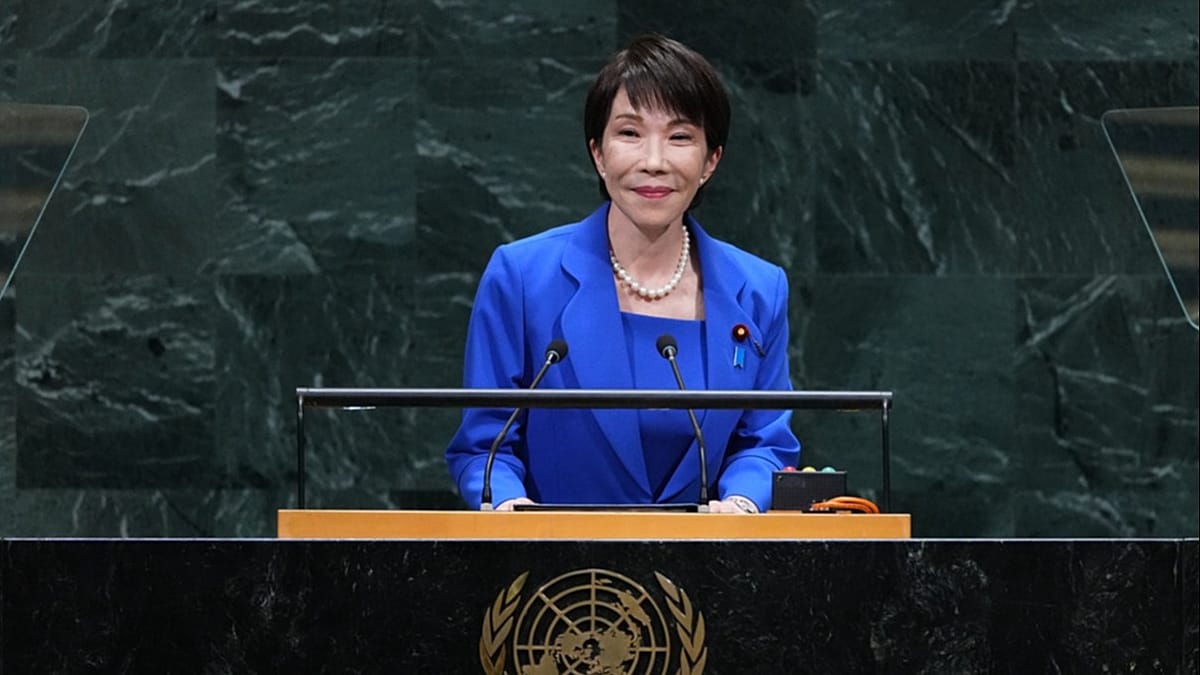


 3 sources
Morning Edition · Thursday, October 1, 2026Published at 1:16 AM EDT · New York
Japan Tightens Residency Rules on the Day Takaichi Promises a Growth Plan
New permanent residency applicants must show above-average household income, conversational Japanese and pension savings equivalent to thirty years of payouts.
Japan's government tightened the requirements for permanent residency on Thursday. Applicants must now show that their annual household income exceeds the Japanese average, that they can hold a casual conversation in Japanese, and that they hold pension savings equivalent to thirty years of payouts. The rules take effect in phases and apply retroactively to applications filed since April. Prime Minister Sanae Takaichi, who won a supermajority in February on a platform built around immigration reform, has described the goal as orderly coexistence with foreign nationals.
Hours later she was due to tell parliament that her administration will prepare a five-year growth strategy setting out a path for domestic investment, with the emphasis on economic expansion and on giving citizens reason for optimism. Al Jazeera reported that the broader tightening of rules for foreign residents has already left long-settled workers uncertain about their status.
The two policies pull against each other in the labour market. Japan's working-age population is shrinking, and construction, nursing care, logistics and food service have relied on foreign labour to fill vacancies. Raising the bar for permanent settlement does not remove those workers immediately, but it reduces the incentive to build a career in Japan, and it narrows the future pool just as the government promises a domestic investment push that requires builders and engineers.
The Bank of Japan is working on the same problem from the monetary side. Its September board discussed the need to prevent inflation from overshooting the 2% target, and wage growth in labour-short sectors is a central part of that calculation.
Part of a tracked trend
Japan Chooses Scarce Labour Over Cheap Labour
Japan's political turn against immigration keeps tightening labour supply in its most inflation-sensitive sectors, so wage and services inflation stay elevated and the Bank of Japan is pushed into more tightening than markets price.
Veracity: Corroborated
90/100- If true, who benefits
Takaichi's governing coalition converts public anxiety about immigration into a deliverable policy, while employers in construction, nursing care and logistics absorb the cost through higher wages.
- The nuance
The rules are real and documented, with the income benchmark set at 5.75 million yen and language proficiency at the Japanese-Language Proficiency Test N2 level, but they phase in rather than land at once, the broader guideline changes are scheduled for April 2027, and the article's link between settlement rules and near-term services inflation is an inference, not a measured effect.
An open-source-intelligence read of how likely this story is true with its real nuance, not a judgment of any outlet. It assesses the claim, weighing independent and adversarial reporting. How we label confidence.
What this means
The mechanism is labour supply feeding into services inflation. Restricting the path to settlement makes Japan a less attractive destination for mid-skill workers, which tightens the sectors where wage growth is already fastest, and that keeps services prices rising at precisely the moment the Bank of Japan has declared overshoot prevention its priority. The exposed parties are domestic service and construction employers facing higher wage bills, bondholders facing a central bank that may hike faster than priced, and the yen, which strengthens on each hawkish signal. Takaichi wants both a growth plan and tighter borders, and the constraint she cannot write away is demographic. The precedent is the United Kingdom after 2021, where reduced inward labour supply coincided with persistent services inflation and forced the Bank of England to hold rates higher for longer than it had projected. The likelier outcome over the next six to twelve months is that Japanese wage and services inflation stay above the central bank's comfort level, giving the board cause for at least one further increase this year. Evidence against it would be a visible slowdown in Japanese wage settlements despite the tighter immigration rules.
Synthesized from: Euronews · The Japan Times · Al Jazeera
Townsquare
Start a discussion in Townsquare.
More from this edition
- Long Bonds Keep Falling Even After United States Inflation Cools
- Bitcoin Loses Its Move Above $85,000 as Yields Refuse to Fall
- South Korea's September Exports Reach $120.9 Billion as Chip Sales Triple
- United States Completes Iraq Withdrawal as Tehran Receives Washington's Reply
- Pakistan Strikes Two Sites in Afghanistan, Kabul Says Nine Civilians Killed
- Cockpit Attack on Dubai-Tel Aviv Flight Prompts Saudi Arrest and Competing Accounts
- Huawei Puts Self-Designed Kirin Chips Across the Mate 90 Line
- Researchers Say AI Agents Probed Government Websites and Hid Their Tracks
Comments
0No comments yet.