← The Global Intelligence Brief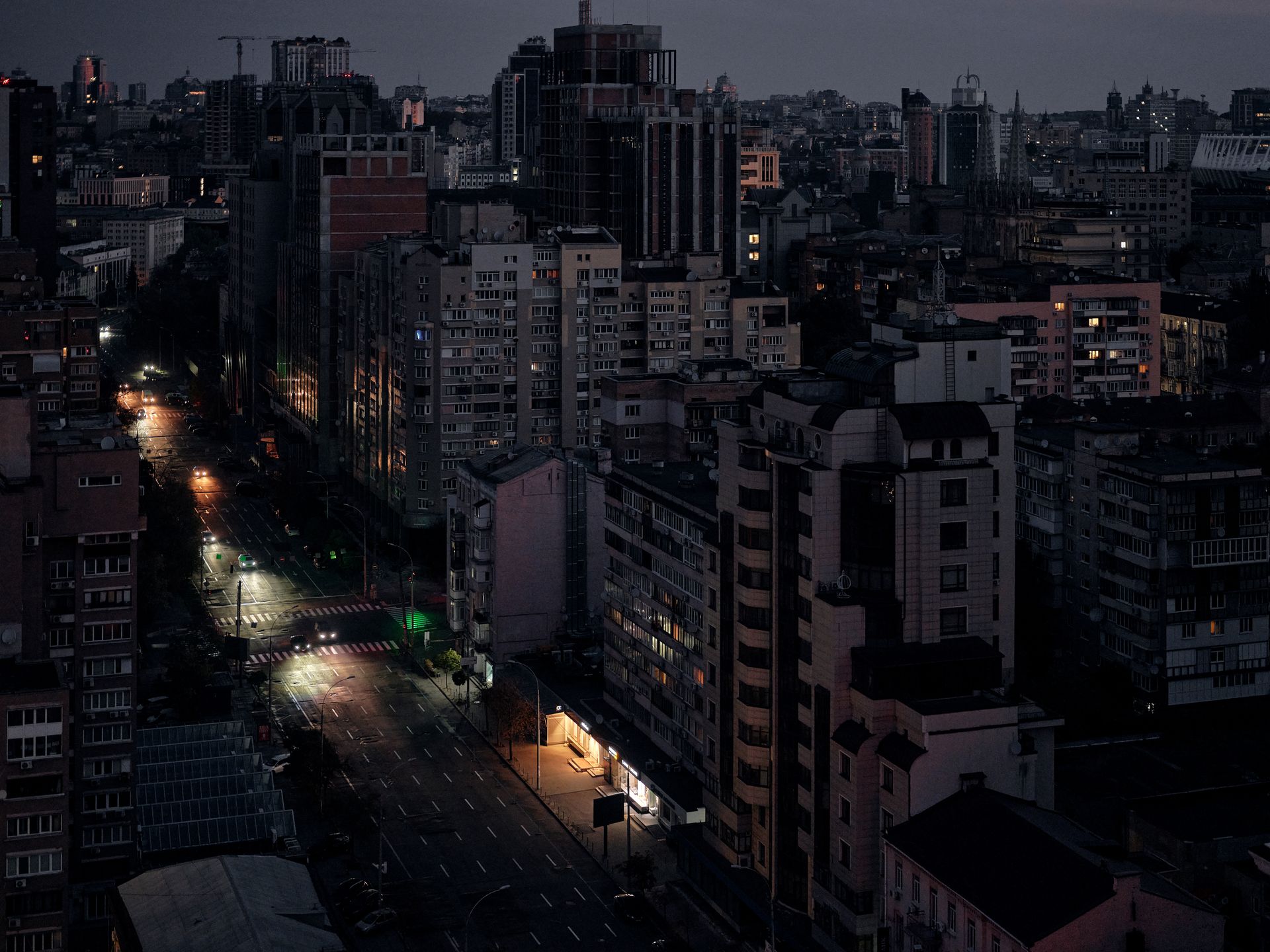


 4 sources
Morning Edition · Saturday, October 17, 2026Published at 1:06 AM EDT · New York
Ukrainian drone barrage shuts all four Moscow airports and restricts flights across 22 Russian airports
Russia says it downed 644 drones over 26 regions in one night, and flights to Moscow were still being diverted into Saturday, while UN migration officials warn that Russian strikes on Ukraine's grid threaten millions with displacement this winter.
A large Ukrainian drone attack closed Sheremetyevo, Vnukovo, Domodedovo and Zhukovsky for up to seven hours on Thursday night and Friday. More than 160 flights were cancelled and more than 20 planes heading for Moscow were diverted. Russia's aviation agency, Rosaviatsia, restricted operations at 22 civilian airports across European Russia and the Volga region. Moscow Mayor Sergei Sobyanin said air defenses shot down 94 drones heading for the capital. Russia's Defense Ministry said it destroyed 644 drones over 26 regions, Crimea and the Black Sea in 12 hours. Neither side's figures can be independently verified.
Disruption continued into Friday night. Independent Russian channel Ostorozhno Novosti reported that flights were still being sent to other Russian cities and that passengers waited for hours inside parked aircraft. Early on Saturday, business daily Kommersant, citing Rosaviatsia, reported that all four airports in the Moscow hub had resumed operations.
Russia has continued its own strikes on Ukraine's energy system. The International Organization for Migration (IOM), the United Nations migration agency, warns that Russian attacks put millions of Ukrainians at risk of displacement this winter. Only 32% of households said they could heat their homes adequately last season, and the figure was 1% in frontline regions. Russian state media report attacks by Ukrainian forces daily, and Ukrainian outlets report civilian casualties from Russian strikes daily, including in Kherson on Saturday morning.
The strikes also strain relations with Washington. President Trump has blamed Ukraine's refinery strikes for higher diesel prices, and he waived the Graham Act sanctions on Friday.
Part of a tracked trend
The War Reaches Russia's Interior
The Ukraine war increasingly manifests inside Russia through drone strikes and attacks on soft targets far from the front, steadily raising the country's domestic risk premium and internal-security costs.
Veracity: Corroborated
85/100- If true, who benefits
Kyiv gains leverage by imposing a visible cost on Moscow, and the Kremlin gains from publishing high interception counts that show its air defenses working.
- The nuance
TASS carries the Defense Ministry's figure of 644 drones and Euronews reports the airport closures, but no one can verify the Russian count. Ukrainian sources disagree on how many airports were restricted: NV reports 22 and Euromaidan Press reports 27.
An open-source-intelligence read of how likely this story is true with its real nuance, not a judgment of any outlet. It assesses the claim, weighing independent and adversarial reporting. How we label confidence.
What this means
Closing Moscow's airports costs little militarily but has real economic effects. Russian airlines, which already lack Western spare parts, lose revenue and aircraft hours. Insurers raise premiums on domestic aviation. Russians who assumed the capital was outside the war absorb a cost they can see. Ukraine gains leverage with Moscow but loses goodwill in Washington, where the White House treats strikes on Russian energy as a cause of higher fuel prices. Repeated disruptions in the capital are new. What is not new is Russia's ability to absorb them without changing its war aims, as it did after the 2023 drone strikes on Moscow. The likelier outcome over the next month is more Ukrainian mass-drone raids on Russian transport and refining, and more Russian strikes on Ukraine's grid as heating demand rises. Each round pushes a ceasefire further away unless Washington makes aid conditional on halting the deep strikes. A public US demand that Kyiv stop hitting refineries, with Kyiv complying, would be the clearest sign that this cycle is ending.
Synthesized from: Kommersant · Polylog editors · Kyiv Independent · Euronews
Townsquare
Start a discussion in Townsquare.
More from this edition
- Trump waives Russia sanctions law's secondary tariffs two days before they take effect, sparing India and China
- Brent touches $110 for the first time since May after attacks on at least nine ships near the Strait of Hormuz
- Warsh offers no rate guidance in Bangkok as US inflation reaches 3.7% and the 10-year Treasury yield stays near 5.1%
- Nasdaq falls 2.1% as fears over AI debt and interest rates hit chipmakers and software stocks together
- Gold and bitcoin both trade below year-ago prices as Google quantum advance raises the risk to early bitcoin wallets
- Flávio Bolsonaro promises a fiscal adjustment but will not touch minimum-wage indexation or health spending floors before Brazil's runoff
- Missiles strike Aden airport again as the Houthis widen attacks on Saudi Arabia and the Bab el-Mandeb shipping route
Comments
0No comments yet.