← The Global Intelligence Brief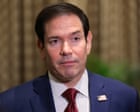


 3 sources
Morning Edition · Saturday, October 24, 2026Published at 1:16 AM EDT · New York
Rubio Urges Cubans to Partner With US Intelligence After Trump Says Warships Could Stop Off Cuba
Havana replied that Washington "does not renounce its ambitions of domination," and the Central Intelligence Agency posted Spanish-language guidance for people who want to contact it.
At a Friday rally in South Florida, President Trump said US warships returning from the Iran war could stop near Cuba. "Those beautiful ships will pass Cuba. We'll have one of them stop about 50 yards off the coast. They'll raise up their hands," he said, before adding that Secretary of State Marco Rubio would "finish up the deal," CBC reported. Investing.com reported that Trump said the United States would "take care of Cuba" on its way back from Iran. He first raised the idea earlier this year and revived it in response to a question shouted from the crowd.
Moments later, Rubio told Cubans seeking political change that "now is the time," The Guardian reported. In his post on X, Rubio urged them to pursue change "through a discrete partnership with the CIA," according to CNN en Español. Al Jazeera described the message as a call for Cubans to work secretly with the Central Intelligence Agency (CIA) to bring down their government. The CIA then posted guidance in Spanish on social media, listing contact channels and digital security precautions, Periódico Cubano reported.
Cuban leader Miguel Díaz-Canel answered on X that the US government "makes clear it does not renounce its ambitions of domination over Cuba," according to Directorio Cubano. He said Cubans won their independence on January 1, 1959, and are determined to defend it. He added that the US embargo, not Cuba, is the threat.
Part of a tracked trend
Washington Presses Its Hemisphere
The United States keeps using military signaling, sanctions and covert-action appeals against governments in the Americas, raising sovereign and expropriation risk for capital in targeted states and for the outside powers that back them.
Veracity: Corroborated
82/100- If true, who benefits
Trump's campaign gains with Cuban-American voters in South Florida ten days before the midterms, and Havana gains a public US call for covert cooperation that it can cite to regional governments.
- The nuance
Rubio's post can be checked word for word and calls for "positive change," while the description of it as a call to overthrow the government comes from Al Jazeera and Cuban officials, who mocked it. The CIA's Spanish-language guide is reported mainly by Cuban opposition outlets, and in May Trump told a similar story about an aircraft carrier stopping "100 yards offshore" that led to no deployment.
An open-source-intelligence read of how likely this story is true with its real nuance, not a judgment of any outlet. It assesses the claim, weighing independent and adversarial reporting. How we label confidence.
What this means
Synthesized from: The Guardian · Al Jazeera · Investing.com Commodities
Townsquare
Start a discussion in Townsquare.
More from this edition
- Brent Nears $117 as Washington Lends Crude From a Strategic Reserve at Its Lowest Level Since 1982
- Washington Reduces Staff at Gulf Embassies as Trump Threatens "Another Little Epic Fury" Against Iran
- Dow Falls 653 Points as Doubts About Artificial-Intelligence Spending Spread Beyond Tech Stocks
- Japan's Core Inflation Rises to 2.1%, Above the Bank of Japan's Target for the First Time in Nine Months
- Brazil Votes Sunday With Lula and Flávio Bolsonaro Tied at 50% in the Final Datafolha Poll
- France Deploys 70,000 Police for Saturday Protests as Its 10-Year Borrowing Cost Reaches 5%
- US Waiver Lets Russian Diesel Back Onto World Markets as Former Executives Say Novatek Secretly Ran an Alaska Gas Project
Comments
0No comments yet.