← The Global Intelligence Brief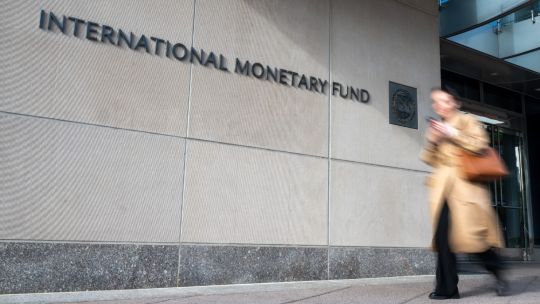


 4 sources
Morning Edition · Wednesday, October 28, 2026Published at 1:14 AM EDT · New York
IMF Staff Approve Argentina's Third Review, Clearing the Way for $900 Million as Cavallo Urges Milei to Lift Currency Controls
The Fund praised about $16 billion of central-bank dollar purchases this year but toned down its language on Argentina's return to international credit markets and did not say whether the fiscal target was met.
The International Monetary Fund (IMF) reached a staff-level agreement with Argentina on the third review of its 48-month Extended Fund Facility. If the Executive Board approves it, Argentina will have access to about $900 million, according to the IMF's statement. The board will consider the agreement in early December, Clarín reported. The Fund said Argentina's central bank bought about $16 billion so far in 2026 and that net international reserves exceeded the end-June target by about $4 billion, Infobae reported.
The statement was positive in tone but limited in substance. Clarín noted that the Fund called the results "impressive" and asked for a flexible exchange rate, but did not report whether Argentina met its fiscal target. IMF staff praised President Javier Milei's "prudent fiscal and monetary policies" and an improved central-bank balance sheet, but toned down their language on Argentina's return to international credit markets, the Buenos Aires Times reported.
Domingo Cavallo, the former economy minister who designed Argentina's 1991 convertibility plan, criticized the government's approach. He called for freeing the purchase and sale of dollars and compared official intervention to the controls of Guillermo Moreno, the commerce secretary under the Kirchner governments, Ámbito reported. Cavallo also questioned restrictions on companies and asked the government to extend the benefits of its large-investment incentive regime (RIGI) to the whole economy.
Credit conditions show strain among small firms. Loan delinquency at micro-enterprises is close to 18%, five times the rate at large companies, and most firms that refinanced their debts have not improved, Ámbito reported.
Part of a tracked trend
Capital Controls Outlast Stabilization Programs
Emerging-market governments that stabilize with IMF support keep currency and capital restrictions in place longer than promised, so market access and foreign investment lag the measured fiscal improvement.
What this means
Argentina is rebuilding reserves by having the central bank buy dollars while keeping restrictions on who can buy them. That meets the Fund's reserve targets but leaves the exchange rate partly administered. In sound-money terms, the dollar purchases are financed by issuing pesos, so the policy depends on peso demand holding up while oil and global rates push inflation pressure higher. Holders of Argentine dollar bonds are exposed through the delayed return to international markets, which the Fund itself now downplays. Small domestic firms are exposed through credit costs, as the 18% delinquency rate shows. The precedent is the 2018 IMF program under President Mauricio Macri, one of the Fund's largest, which ended with capital controls reimposed in 2019 after reserves fell. The desk's read is that the board approves the review in December and the controls stay in place well into 2027, because removing them before reserves are larger would risk a run on the peso. Cavallo's call for a free market in dollars will not be adopted. This read is wrong if the government announces a date to unify the exchange rate and remove corporate restrictions before the board meeting.
What to watch
- Whether the published staff report shows that Argentina met its fiscal target, since the omission in the statement is the program's main open question.
- The spread between the official and parallel exchange rates. A widening spread would show that controls are holding back demand for dollars.
- Any Argentine sovereign bond issue in international markets, which would test the Fund's more cautious language on market access.
Observations to monitor, not financial advice.
Synthesized from: Buenos Aires Times · Clarín (Economía) · Ámbito (Economía) · Ámbito (Economía)
Townsquare
Start a discussion in Townsquare.
More from this edition
- Houthis Say They Hit Saudi Arabia's Largest Refinery as Washington Tells Gulf Allies to Prepare for an Iran Campaign After the Midterms
- Federal Reserve Expected to Hold at 3.75% to 4% Today as New Zealand's Central Bank Skips a Hike Markets Had Priced In
- Brazilian Markets Fall Sharply After Lula's Re-election as Defeated Rival Flávio Bolsonaro Defies a Court Order and Flies to the US
- Netanyahu's Likud Leads Israel's Count but Neither Bloc Nears the 61 Seats Needed to Govern
- Anthropic's Listing Plan Lifts Asian Tech Stocks While China's State Funds Buy Shares to Halt a 20% Slide
- Washington Offers Russia Postwar Oil Deals for US Majors to Bring Putin Into Ukraine Talks
- Bitcoin Trades Near $81,000 and Gold Holds Above $4,000 as Investors Wait for the Fed
Comments
0No comments yet.