← The Global Intelligence Brief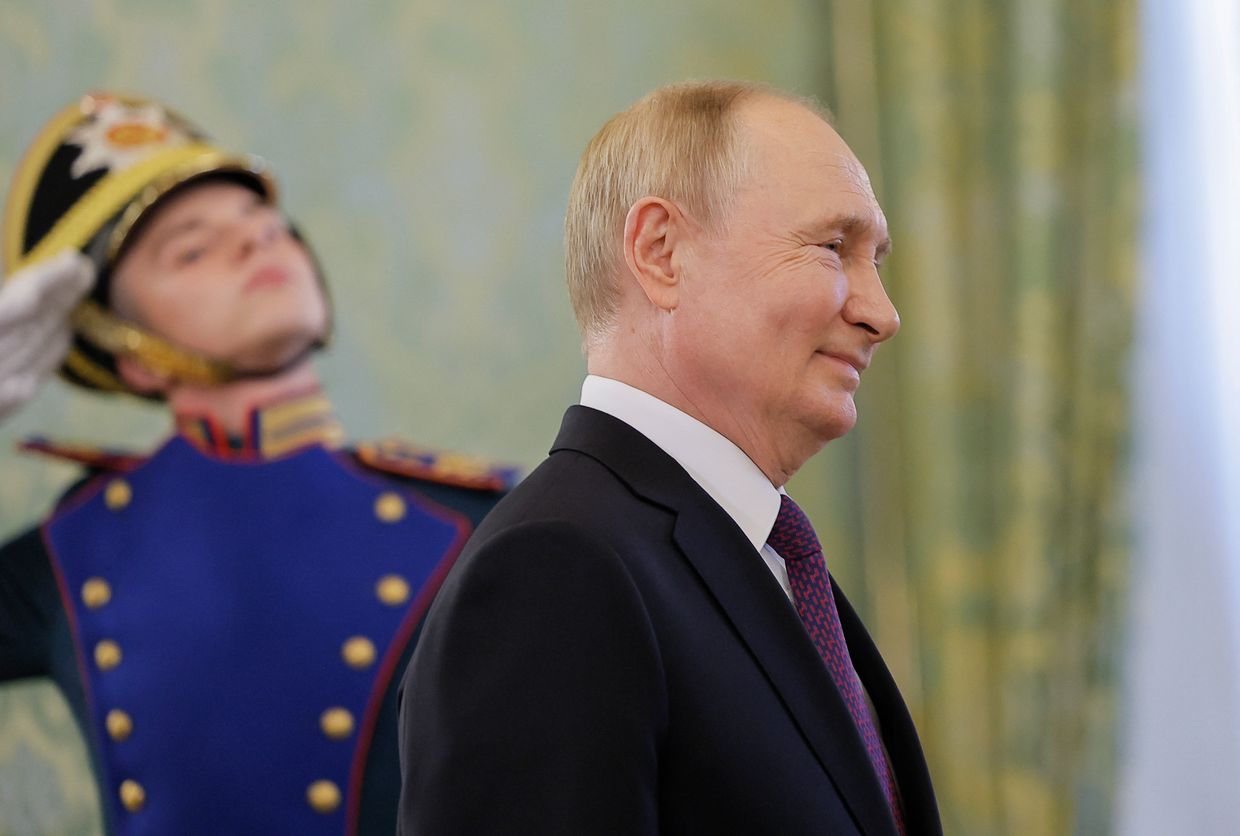


 4 sources
Morning Edition · Wednesday, October 28, 2026Published at 1:14 AM EDT · New York
Washington Offers Russia Postwar Oil Deals for US Majors to Bring Putin Into Ukraine Talks
On Tuesday, the same day the US offer was reported, Putin spent much of a call with the leaders of Norway and Finland on medieval Slavic history and said little about a ceasefire, according to the Financial Times.
The White House has proposed renewed postwar business ties with Russia, including deals for major US oil companies, as an incentive for President Vladimir Putin to negotiate an end to the war in Ukraine, the Financial Times reported. Proposals under discussion include reviving ExxonMobil's role in the Sakhalin-1 project and resuming oil deliveries to Europe through the Druzhba pipeline, both conditional on a ceasefire, according to a GuruFocus summary of the reports.
The commercial track has been widening for weeks. Earlier in October, The New York Times reported that the talks covered a sale of Lukoil's foreign oil fields, refineries and filling stations to an investor group. According to The Moscow Times' account of that report, the group includes US investor Todd Boehly, two Middle Eastern firms that have done business with the families of US negotiators Steve Witkoff and Jared Kushner, and an arm of the US government.
Moscow's public response has emphasized willingness to talk while making no commitment. Kirill Dmitriev, Putin's special envoy for investment and economic cooperation, said that "dialogue will prevail" and that supporters of military conflict will be defeated, TASS reported.
European governments are trying to keep their own channel open. In an October 27 call, Putin gave the leaders of Norway and Finland a long account of medieval Slavic history and made little mention of an immediate ceasefire, the Financial Times reported. The Kyiv Independent highlighted the absence of any ceasefire offer. Neither report described a change in Russia's stated war aims.
Part of a tracked trend
Great Powers Negotiate Ukraine Over Europe's Head
Washington, Moscow and Beijing increasingly treat the end of the Ukraine war as a bargain among themselves, so European governments and Kyiv keep losing influence over the terms while being asked to fund the outcome.
Veracity: Corroborated
78/100- If true, who benefits
If Washington is offering Russian resources as an incentive, ExxonMobil, other US majors and the investors bidding for Lukoil's foreign assets gain potential access, and Moscow could obtain sanctions relief without territorial concessions, while European companies that wrote off Russian assets and the government in Kyiv lose influence over the terms.
- The nuance
Newsquawk's summary of the Financial Times report and earlier Reuters reporting from August 2025 both describe exploratory talks that US officials say will not go forward without a comprehensive peace framework, and Moscow has publicly offered no ceasefire in return.
An open-source-intelligence read of how likely this story is true with its real nuance, not a judgment of any outlet. It assesses the claim, weighing independent and adversarial reporting. How we label confidence.
What this means
Synthesized from: Financial Times Markets · Financial Times · Kyiv Independent · TASS
Townsquare
Start a discussion in Townsquare.
More from this edition
- Houthis Say They Hit Saudi Arabia's Largest Refinery as Washington Tells Gulf Allies to Prepare for an Iran Campaign After the Midterms
- Federal Reserve Expected to Hold at 3.75% to 4% Today as New Zealand's Central Bank Skips a Hike Markets Had Priced In
- Brazilian Markets Fall Sharply After Lula's Re-election as Defeated Rival Flávio Bolsonaro Defies a Court Order and Flies to the US
- Netanyahu's Likud Leads Israel's Count but Neither Bloc Nears the 61 Seats Needed to Govern
- Anthropic's Listing Plan Lifts Asian Tech Stocks While China's State Funds Buy Shares to Halt a 20% Slide
- Bitcoin Trades Near $81,000 and Gold Holds Above $4,000 as Investors Wait for the Fed
- Gas Exporters Led by Russia, Iran and Qatar Adopt a Moscow Declaration Rejecting Unilateral Sanctions
Comments
0No comments yet.