← The Global Intelligence Brief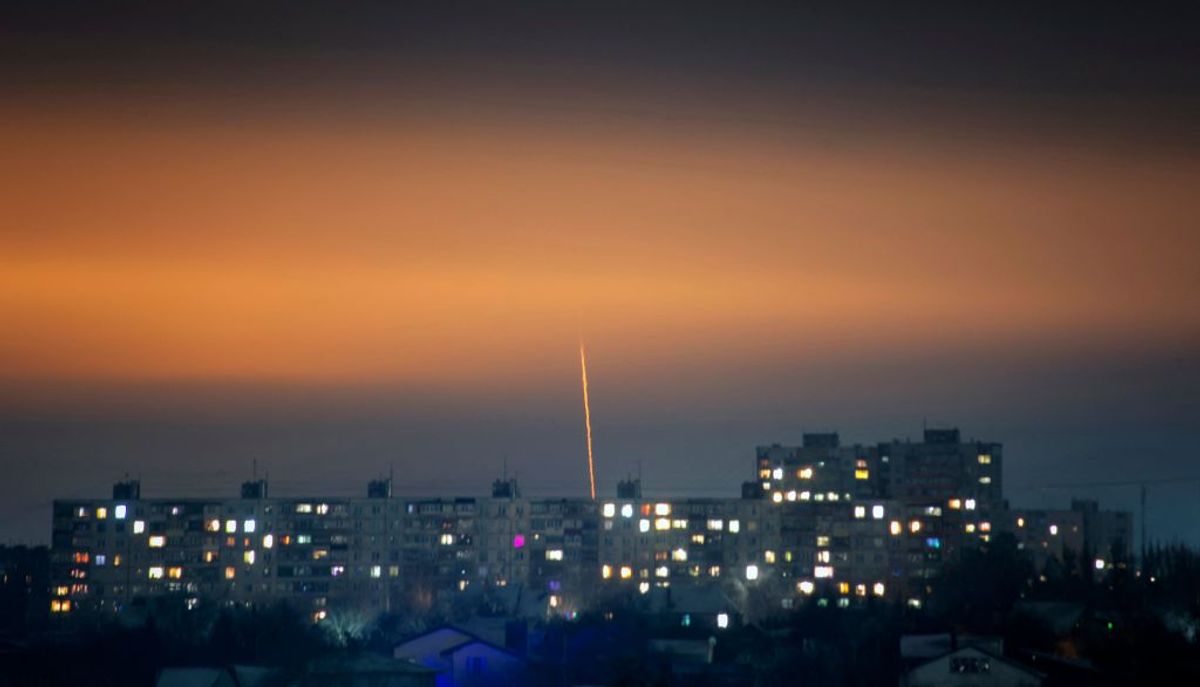

 4 sources
Morning Edition · Wednesday, October 28, 2026Published at 1:14 AM EDT · New York
Ukrainian Strike Causes Fires Near Russia's Novolipetsk Steel Plant as Kyiv Reports More Than 100 Russian Ballistic Missiles in Two Weeks
Kyiv will spend 1 billion hryvnias on water crossings over the Dnipro after Russian missiles hit a major bridge, its mayor said.
Drones and jet-powered projectiles attacked the Russian city of Lipetsk late on Tuesday, and a fire broke out near the Novolipetsk Metallurgical Plant (NLMK), Ukrainian state news agency Ukrinform reported, citing preliminary information from social media. The fire started after Russian air defenses engaged targets, according to the Ukrainian monitoring channel Exilenova Plus, cited by the Kyiv Independent. Russian-language reporting by Ukrainska Pravda said the attack began around 11 p.m. and also mentioned reports of a fire near Lipetsk's military airfield. Russian officials had not confirmed damage at the plant in the reports reviewed by this desk. NLMK is one of Russia's largest steel producers.
Russia has concentrated ballistic missiles on Kyiv. President Volodymyr Zelensky said Russia launched more than 100 ballistic missiles against the capital in the past two weeks, the Kyiv Independent reported. The previous day's strike hit a university campus, a major bridge, an administrative building and medical facilities, killing one person and injuring 15.
The capital is preparing for further damage to its transport links. Mayor Vitali Klitschko said Kyiv will allocate 1 billion hryvnias for water crossings over the Dnipro River, and that engineers are developing additional measures to preserve the structural integrity of the city's bridges, Ukrinform reported.
Each side presents its strikes as aimed at military capacity and the other side's strikes as attacks on civilians. Both sides' battlefield claims are hard to verify in wartime.
Part of a tracked trend
Strikes Move to Each Other's Home Fronts
Both Russia and Ukraine keep shifting long-range strikes toward transport, warehousing and civilian-adjacent targets far from the front, so aviation, logistics and insurance costs deep inside both economies keep rising and each mass-casualty incident pushes a negotiated pause further away.
Veracity: Plausible
58/100- If true, who benefits
If the strike damaged the plant, Kyiv gains evidence that it can raise costs for Russian heavy industry, which a 2025 Ukrainska Pravda investigation linked to suppliers of Russian weapons makers, while Russian state media present attacks on Lipetsk as damage to homes, as TASS did after an October 22 attack.
- The nuance
Only Ukrainian outlets citing monitoring channels report the fire, and those channels attribute it to an aerial object that fell after Russian air defenses fired, not a direct hit. No Russian official or Novolipetsk Metallurgical Plant (NLMK) statement in the reports reviewed confirms damage to the plant, and the figure of more than 100 ballistic missiles fired at Kyiv comes from Zelensky without independent confirmation.
An open-source-intelligence read of how likely this story is true with its real nuance, not a judgment of any outlet. It assesses the claim, weighing independent and adversarial reporting. How we label confidence.
Synthesized from: Ukrinform · Kyiv Independent · Kyiv Independent · Ukrinform
Townsquare
Start a discussion in Townsquare.
More from this edition
- Houthis Say They Hit Saudi Arabia's Largest Refinery as Washington Tells Gulf Allies to Prepare for an Iran Campaign After the Midterms
- Federal Reserve Expected to Hold at 3.75% to 4% Today as New Zealand's Central Bank Skips a Hike Markets Had Priced In
- Brazilian Markets Fall Sharply After Lula's Re-election as Defeated Rival Flávio Bolsonaro Defies a Court Order and Flies to the US
- Netanyahu's Likud Leads Israel's Count but Neither Bloc Nears the 61 Seats Needed to Govern
- Anthropic's Listing Plan Lifts Asian Tech Stocks While China's State Funds Buy Shares to Halt a 20% Slide
- Washington Offers Russia Postwar Oil Deals for US Majors to Bring Putin Into Ukraine Talks
- Bitcoin Trades Near $81,000 and Gold Holds Above $4,000 as Investors Wait for the Fed
Comments
0No comments yet.