← The Global Intelligence Brief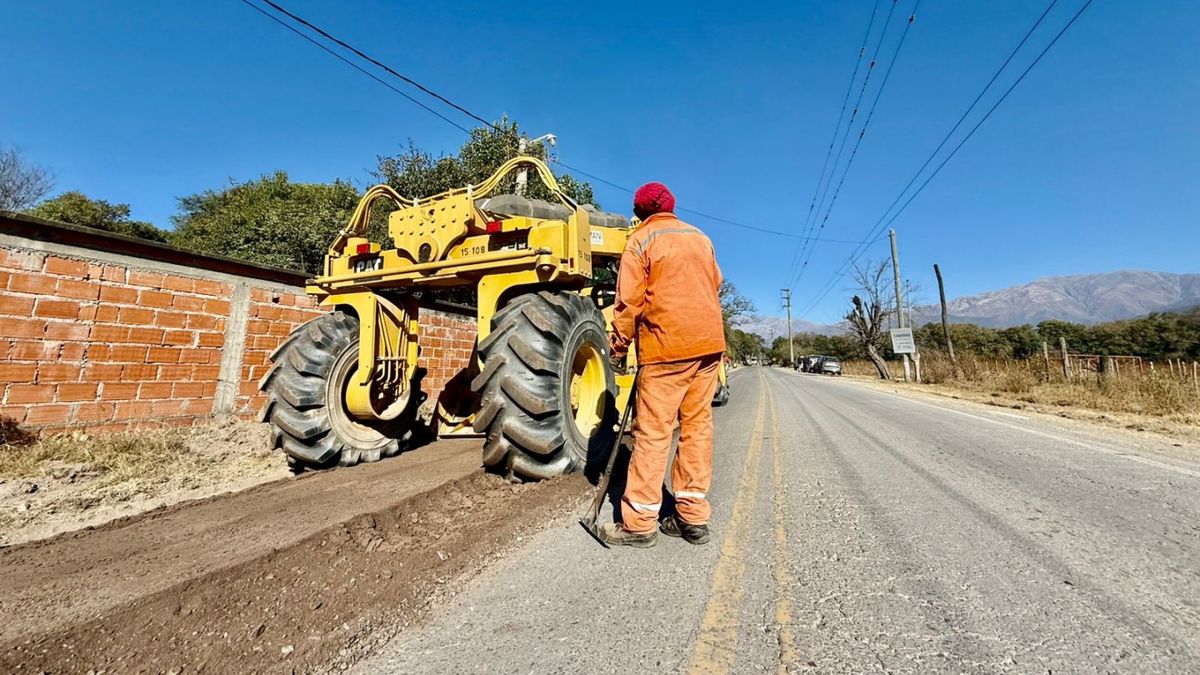


 4 sources
Morning Edition · Thursday, November 12, 2026Published at 12:17 AM EST · New York
Argentina's Treasury Releases Pesos After Rolling Over Less Than All Maturing Debt
The Economy Ministry reported a 103% rollover by excluding two inflation-linked bonds, while analysts who counted them put the figure near 84%, which leaves about 1.7 trillion pesos in the market.
Argentina's Treasury did not refinance all of the debt that came due at its first auction of November and left pesos in the market, Clarín reported (in Spanish). It described the result as a signal to the market. The two sides measure the result differently. The Economy Ministry reported a rollover of 103.07%, a calculation that leaves out maturities of two inflation-linked bonds, the TX26 and TX28. The Finance Secretariat received bids of 11.6 trillion pesos and accepted 8.87 trillion. Counting the two bonds, the brokerage Puente put the effective rollover at about 84%, Infobae reported. With roughly 10.5 trillion pesos maturing, about 1.7 trillion pesos return to the economy. Demand concentrated in instruments linked to the TAMAR wholesale deposit rate.
The government also delayed asset sales. It extended hydroelectric concessions that were due to expire in December until April 30, 2027, which postpones new privatizations. Clarín estimated that sales of dams in Chubut, Mendoza, Santiago del Estero and Salta could raise about $200 million.
The real economy is moving in two directions. Ámbito reported that construction is recovering because of public works spending, mainly road maintenance, while private construction keeps falling month after month because building costs per square meter remain high in dollar terms. The outlet expects asphalt work to accelerate next year ahead of the elections.
Part of a tracked trend
Emerging-Market Elections Turn on Fiscal Credibility
In large emerging markets, polarised elections keep making fiscal rules and congressional arithmetic, rather than the identity of the winner, the main determinant of currency and local-rate pricing.
What this means
Releasing 1.7 trillion pesos is a liquidity injection, whatever the official rollover figure says. Those pesos will either stay in bank deposits and short-term instruments or go into dollars. [BAE Negocios](https://www.baenegocios.com/economia/los-1-7-billones-que-emitira-el-tesoro-podran-ir-al-dolar-o-quedarse-en-pesos/) described it in exactly those terms. Holders of peso-denominated assets and the exchange rate are directly exposed, because extra pesos chasing a limited supply of dollars is the oldest mechanism of Argentine devaluation. Postponing dam sales removes a small but symbolic source of hard-currency revenue, and rising public works before the 2027 elections point to spending pressure. The consensus focuses on the official 103% figure. Investors should track the effective figure and where the released pesos go. The likelier outcome is pressure on the peso and on dollar-linked bond pricing over the coming weeks, unless deposit rates rise enough to keep the liquidity in pesos. This read is wrong if the central bank absorbs the excess pesos through its own operations, or if bank deposits rise by a similar amount.
What to watch
- Movements in the official and parallel dollar rates over the next two weeks, which will show whether the released pesos are going into dollars.
- The result of the second November auction, which will show whether the Treasury is choosing to inject liquidity or failing to attract demand.
- Monthly public-works spending figures, which will show whether pre-election spending is overriding the fiscal-surplus commitment.
Observations to monitor, not financial advice.
Synthesized from: Clarín (Economía) · Infobae · Clarín (Economía) · Ámbito (Economía)
Townsquare
Start a discussion in Townsquare.
More from this edition
- Nvidia Shares Fall About 8% After Hours as Board Weighs Removing Jensen Huang
- Nvidia Spy Allegation Tests US-China Trade Truce as Xi Offers Taiwan Dialogue on Beijing's Terms
- Oil Drops More Than $1 as Traders Bet on Iran and Ukraine Talks
- US Envoys Meet Putin in Moscow After Abu Dhabi Round Yields a Prisoner Swap but No Territorial Deal
- Ukrainian Drones Hit Russia's Largest Refinery in Omsk, 2,500 Kilometers From the Border
- MSCI Drops Strategy From Its Indexes as Bitcoin Holds Near $74,000
- Banco do Brasil Profit Falls 66.5% as Farm-Loan Defaults Climb
- Spain Holds First General Strike in 14 Years Over Housing Costs, Weeks Before a Snap Election
Comments
0No comments yet.