← The Global Intelligence Brief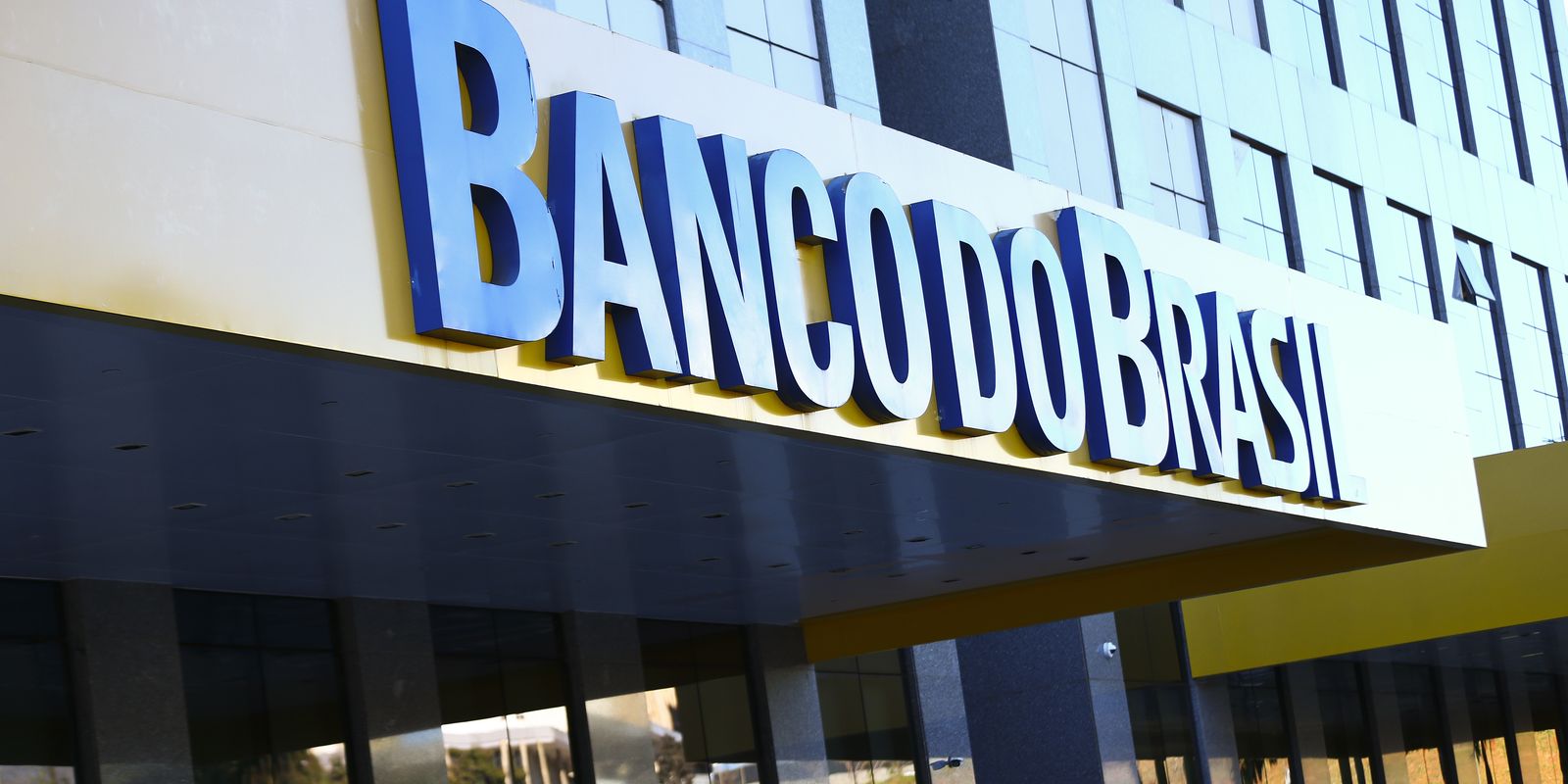


 4 sources
Morning Edition · Thursday, November 12, 2026Published at 12:17 AM EST · New York
Banco do Brasil Profit Falls 66.5% as Farm-Loan Defaults Climb
The state-controlled lender cut its full-year earnings guidance and its dividend payout to the 25% legal minimum, as the government presented a spending-restraint bill aimed at its 2027 surplus target.
Banco do Brasil, the country's largest agricultural lender, reported adjusted net profit of 1.27 billion reais for the third quarter, down 66.5% from a year earlier. According to the state news agency Agência Brasil (in Portuguese), rising defaults, mainly in agribusiness, drove the decline.
Metrópoles reported that loans to agribusiness more than 90 days overdue rose to 6.92% in September from 4.84% a year earlier. Arrears on loans to individuals rose to 9.14% from 6.01%. Credit-loss expenses rose 18.4% to 21.2 billion reais. Return on equity fell to 2.8% from 8.4%, and the Basel capital ratio fell to 13.45% from 14.81%. According to Metrópoles, the bank cut its 2026 earnings guidance from 18-22 billion reais to 9-11 billion reais and will pay out only 25% of profit as dividends, the legal minimum.
The financial site InfoMoney called the result a "widespread disappointment." It cited weak loan growth and growing doubts about dividends and the bank's ability to generate capital, and said the result puts the bank's recovery in question.
The same day, Planning Minister Bruno Moretti presented a fiscal adjustment package. Folha explained that the plan is meant to help the economic team reach the midpoint of its primary-balance target (the budget balance before interest payments). Moretti told Congress the measures could yield 50 to 60 billion reais in 2027, Gazeta do Povo reported. The bill would also allow the government to lower the cap on real spending growth from 2.5% to 2% if needed.
Part of a tracked trend
Subsidized Credit Turns to Losses
Lending booms directed by the state into politically favored sectors keep ending in rising defaults that land on public balance sheets, forcing governments to choose between bailouts and fiscal credibility.
What this means
Banco do Brasil channels much of Brazil's state-directed rural credit, so its arrears data show what happens when subsidized lending meets high real interest rates. Credit expanded on policy terms during the farm boom, and much of it went to large producers who are now behind on payments. In the view associated with the Austrian School of economics, which holds that credit expansion directed by policy misallocates capital, that is malinvestment becoming visible. The losses do not stay inside the bank. The federal government is the controlling shareholder, so lower profits and a minimum payout reduce dividends to the Treasury just as Moretti's plan is trying to raise revenue and restrain spending. Exposure runs to Brazilian bank shares, agribusiness credit instruments, rural-land values and the fiscal arithmetic behind the real. The consensus treats the quarter as the low point. Arrears on loans to individuals are rising faster than farm arrears, which argues against that view. Brazil has repeatedly addressed farm-debt stress with state-backed renegotiation programs. The likelier outcome is further provisioning in the fourth quarter and political pressure for a new farm-debt renegotiation within months, which would shift losses toward the public balance sheet. This read is wrong if fourth-quarter agribusiness arrears stabilize below the September level.
What to watch
- Any government proposal to renegotiate or extend rural debts, which would move losses from the bank's balance sheet to the Treasury's.
- How Congress handles the spending-cap provision in Moretti's bill, which will show whether the fiscal adjustment is binding or optional.
- Third-quarter farm-loan arrears at private lenders and agricultural cooperatives, which will show whether the stress is concentrated at the state bank or spreading across the sector.
Observations to monitor, not financial advice.
Synthesized from: Agência Brasil · InfoMoney · Metrópoles · Folha (Mercado)
Townsquare
Start a discussion in Townsquare.
More from this edition
- Jensen Huang Resigns as Nvidia Chief Executive, Shares Drop as Much as 14% and Finance Chief Colette Kress Steps In
- Nvidia Spy Allegation Tests US-China Trade Truce as Xi Offers Taiwan Dialogue on Beijing's Terms
- Oil Drops More Than $1 as Traders Bet on Iran and Ukraine Talks
- US Envoys Meet Putin in Moscow After Abu Dhabi Round Yields a Prisoner Swap but No Territorial Deal
- Ukrainian Drones Hit Russia's Largest Refinery in Omsk, 2,500 Kilometers From the Border
- MSCI Drops Strategy From Its Indexes as Bitcoin Holds Near $74,000
- Spain Holds First General Strike in 14 Years Over Housing Costs, Weeks Before a Snap Election
Comments
0No comments yet.