← The Global Intelligence Brief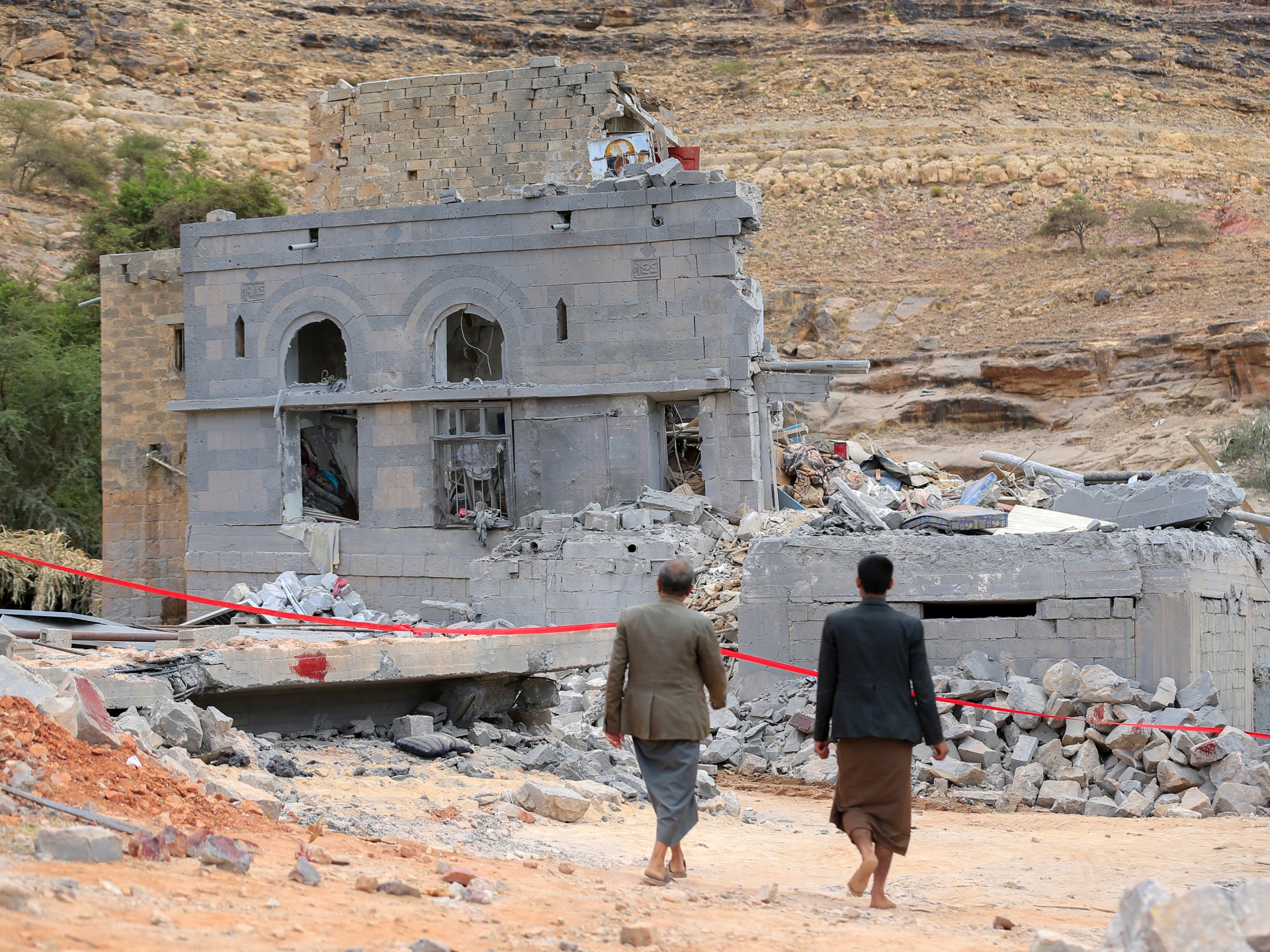


 4 sources
Morning Edition · Thursday, November 12, 2026Published at 12:17 AM EST · New York
Houthis Claim Strike on Saudi Pumping Station Near Yanbu and Deny Targeting Mecca
The World Health Organization says more than 320,000 people have been displaced in Yemen since August 1, as Saudi Arabia steps up airstrikes and the Houthis widen attacks on Saudi airports and oil sites.
Fighting between Saudi Arabia and Yemen's Houthi movement has intensified. Al Jazeera reported that more than 320,000 people have been displaced since August 1, according to the World Health Organization (WHO). The same report put casualties at 11,755 as of November 8, including 2,098 killed and 9,657 wounded.
The Saudi-led coalition said it destroyed three cruise missiles headed for the Riyadh region and intercepted two drones aimed at Mecca and southern areas, plus two missiles directed toward the west of the kingdom, Reuters reported. Yahya Saree, the Houthi military spokesman, denied aiming at Mecca. He said the group's operations target oil facilities and military bases. Saudi authorities did not confirm the Houthi statement. The Houthis issued a similar denial in late October, when the coalition reported intercepting a drone aimed at the Mecca region.
Saree also claimed a drone strike on a pumping station near Yanbu, Middle East Eye reported. Reuters described Yanbu as a key Saudi oil hub that lets exports avoid the blocked Strait of Hormuz. Russian state agency TASS reported that the Houthis also said they struck Riyadh's airport. According to Reuters, the Houthis have stepped up attacks on Saudi airports, ports and oil facilities, and Saudi Arabia has increased airstrikes on Houthi targets in Yemen.
Part of a tracked trend
Hormuz Chokepoint Repricing
Recurring Gulf conflict forces energy exporters and importers to build costly workarounds around the Strait of Hormuz, permanently raising the risk premium embedded in Gulf trade and infrastructure.
Veracity: Plausible
60/100- If true, who benefits
If the Houthis are seen as threatening Mecca, Riyadh gains religious and diplomatic backing. The Houthis gain if their strikes are seen as economic pressure on military and oil targets. Insurers collect higher war-risk premiums on Red Sea voyages.
- The nuance
No one has independently verified either the Mecca targeting or damage near Yanbu, and Saudi authorities have not confirmed the pumping-station claim. Attribution on this route is itself disputed: after an earlier drone attack on the crude lines to Yanbu, Riyadh blamed Iraq, not Yemen. In another earlier round, satellite analysis confirmed a pumping-station fire that Riyadh had not acknowledged.
An open-source-intelligence read of how likely this story is true with its real nuance, not a judgment of any outlet. It assesses the claim, weighing independent and adversarial reporting. How we label confidence.
What this means
The pipeline across Saudi Arabia to Yanbu on the Red Sea is the kingdom's main route for exporting crude without passing through Hormuz. Attacks on its pumping stations threaten the same alternative route that limits the impact of any disruption in Hormuz. If both the Gulf route and the western route are at risk, the premium spreads to Red Sea shipping, war-risk insurance and buyers in Asia and Europe who rely on Saudi barrels. The two sides' claims about Mecca serve each side's interests. Riyadh's account presents the Houthis as a threat to Islam's holiest city, which helps it win Muslim and international support. The Houthi denial keeps the focus on economic and military targets, which the group presents as legitimate pressure. Neither claim has been independently verified. Oil prices fell on Thursday on hopes for diplomacy, which suggests traders are not yet pricing the risk from this conflict. The precedent is the 2019 attacks on Abqaiq and on pumping stations of the same pipeline, which showed that Saudi infrastructure can be hit and repaired quickly but still caused sharp short-term price moves. The likelier outcome is continued Houthi strikes on western Saudi energy and transport sites over the coming weeks, with a price effect only if loadings at Yanbu are confirmed disrupted. This read is wrong if Oman or Qatar brokers a Saudi-Houthi truce alongside the US-Iran talks.
Synthesized from: Al Jazeera · Yahoo News (Reuters) · TASS · Middle East Eye
Townsquare
Start a discussion in Townsquare.
More from this edition
- Jensen Huang Resigns as Nvidia Chief Executive, Shares Drop as Much as 14% and Finance Chief Colette Kress Steps In
- Nvidia Spy Allegation Tests US-China Trade Truce as Xi Offers Taiwan Dialogue on Beijing's Terms
- Oil Drops More Than $1 as Traders Bet on Iran and Ukraine Talks
- US Envoys Meet Putin in Moscow After Abu Dhabi Round Yields a Prisoner Swap but No Territorial Deal
- Ukrainian Drones Hit Russia's Largest Refinery in Omsk, 2,500 Kilometers From the Border
- MSCI Drops Strategy From Its Indexes as Bitcoin Holds Near $74,000
- Banco do Brasil Profit Falls 66.5% as Farm-Loan Defaults Climb
Comments
0No comments yet.