← The Global Intelligence Brief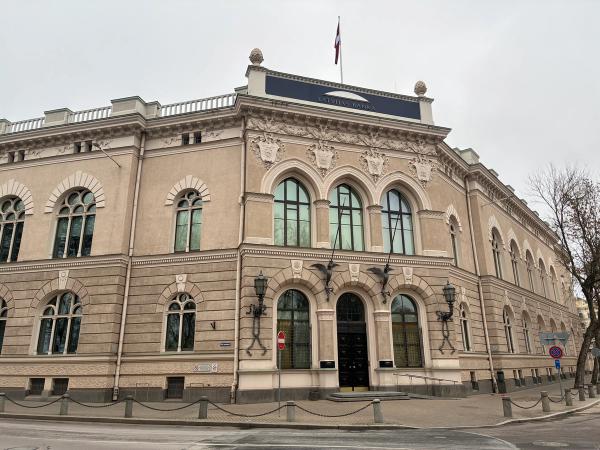
Morning Edition · Sunday, November 29, 2026Published at 12:16 AM EST · New York
Moscow Exchange Opens Bitcoin, Ether and Tether Trading on December 1 as Russia Brings Crypto Trading Home
Russian investors without qualified status must pass a central-bank-approved test and face a 300,000-ruble annual limit per broker, while Latvia's central bank rejected proposals for a bitcoin reserve.
The Moscow Exchange will start organized trading in bitcoin, ether and Tether's dollar token (USDT) on December 1, RIA Novosti reported, citing State Duma deputy Artyom Kiryanov. Investors without qualified status must pass a test and can buy up to 300,000 rubles a year through a single broker, Russian reports said. State-controlled VTB began letting qualified investors trade bitcoin in its app on Friday, one day after the Bank of Russia approved the standard knowledge test, Bitcoin Magazine reported.
The plan routes crypto activity through a US-sanctioned exchange and state-licensed brokers. That gives the Russian state a record of who holds what, and gives Russian savers a legal channel into assets outside the ruble. Including USDT means Russia is listing a dollar-pegged token at home while it works to reduce its exposure to the dollar system. The Financial Times reported that a little-known Russian venture capitalist, Vitaly Bezrodnykh, was an early investor in Tether and holds an undisclosed stake.
European Union member Latvia took the opposite approach. Its central bank pushed back on proposals to hold bitcoin in reserve and took a cautious line on tokenization, CoinDesk reported. Latvia's financial intelligence unit backed a window for declaring crypto holdings at a 10% tax rate, even as it raised its risk rating for crypto firms to medium-high. Both governments are moving crypto into supervised, taxable and traceable channels. Neither is treating it as money outside state control.
Part of a tracked trend
States Pull Crypto Onto Supervised Rails
Governments from Moscow to Riga keep moving crypto trading into licensed, taxed and monitored channels, which widens state surveillance of private wealth while giving savers in sanctioned or high-inflation economies a legal exit from local currency.
Townsquare
Start a discussion in Townsquare.
More from this edition
- European Central Bank and Federal Reserve Officials Stay on Course for December Rate Hikes as Fuel Prices Fall
- S&P 500 Gains 5.6% in Holiday Week but Remains on Track for Its Worst November Since 2008
- Houthis Claim Strikes on Riyadh Airport and Saudi Energy Sites as Iran Reports a Tanker Fire Near Hormuz
- Zelensky Rejects a US-Mediated Settlement He Says Would Make Ukraine Pay for Russia's War
- Moscow's Mayor Says 542 Ukrainian Drones Flew Toward the Capital Region Overnight
- Beijing Says Taiwan's Local Election Results Will Not Change Its Course After the Kuomintang Holds Taipei
- Libya's Eastern Government Takes Ukraine's Benghazi Port Strike to the UN as Meloni Confronts Zelensky
Comments
0No comments yet.