← The Global Intelligence Brief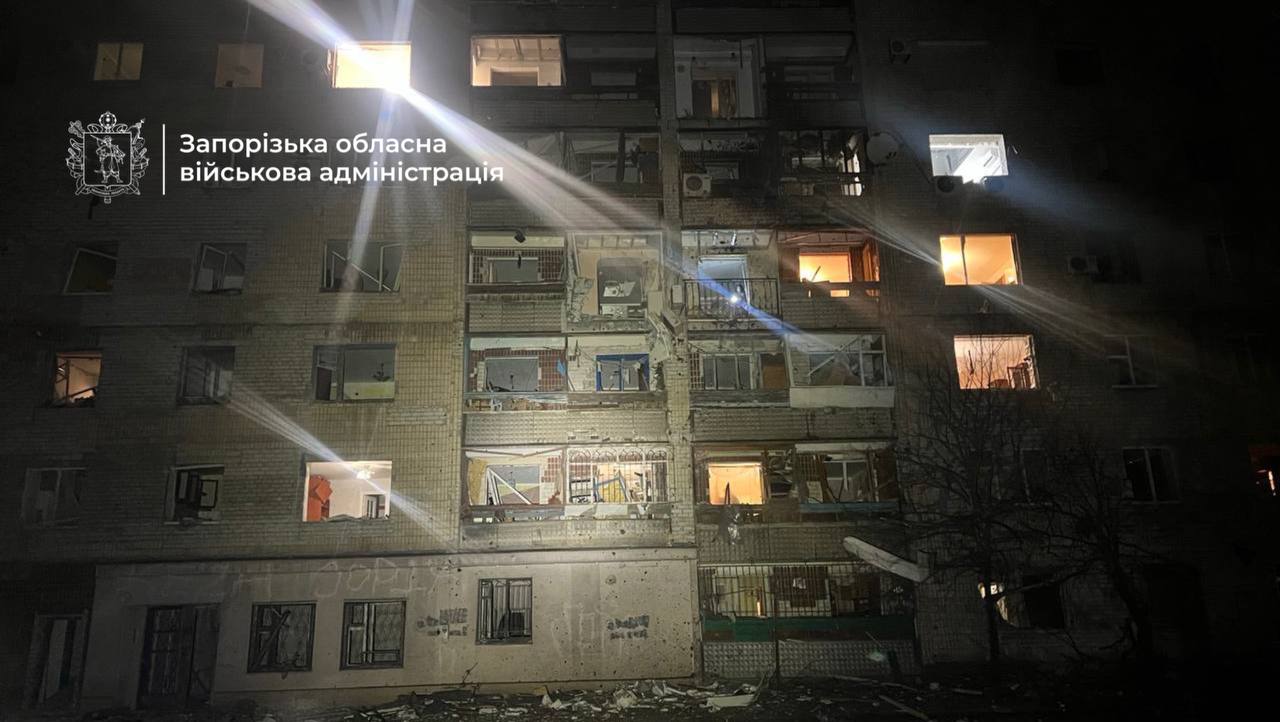
Morning Edition · Sunday, November 29, 2026Published at 12:16 AM EST · New York
Moscow's Mayor Says 542 Ukrainian Drones Flew Toward the Capital Region Overnight
Sheremetyevo and Vnukovo airports restricted flights during the attack and lifted the limits at 06:53 Moscow time, while a large fire broke out in an industrial zone in nearby Khimki.
Sergei Sobyanin, the mayor of Moscow, said 542 Ukrainian drones flew toward the Moscow region between 17:00 on November 28 and 07:00 on November 29, Kommersant reported. He said most were destroyed far from the city. Life.ru reported that 105 were shot down close to the capital. Sheremetyevo stopped flights in and out during the attack, and Vnukovo accepted aircraft only with special clearance. RBC reported that Russia's aviation agency lifted both restrictions at 06:53.
Late on Saturday, the independent Telegram channel Ostorozhno Novosti reported a large fire in Khimki, northwest of Moscow, in the industrial zone near Vashutinskoye Highway. It cited residents of neighboring Dolgoprudny who could see smoke. The channel did not give a cause, and no official has linked the fire to the drone attack.
Both sides continue to strike each other. In southern Ukraine, a Russian attack on Zaporizhzhia killed one person and injured two, including a child, the Kyiv Independent reported, citing regional officials. Zelensky also enacted sanctions on 148 individuals and companies linked to Russian drone and robotics makers and their suppliers, Ukrinform reported.
The number matters more than any one interception. An attack of this size, if Russian air defenses counted it accurately, means Ukraine can now produce long-range drones at a scale that repeatedly shuts the capital's main airports. Each closure adds cost for Russian airlines and insurers, wherever the drones fall. A Russian business channel, Bankrollo, noted that publisher Eksmo will release a civilian nuclear-war survival guide before the New Year. That detail shows the war now reaching ordinary Russian households.
Part of a tracked trend
The War Reaches Russia's Interior
The Ukraine war increasingly manifests inside Russia through drone strikes and attacks on soft targets far from the front, steadily raising the country's domestic risk premium and internal-security costs.
Townsquare
Start a discussion in Townsquare.
More from this edition
- European Central Bank and Federal Reserve Officials Stay on Course for December Rate Hikes as Fuel Prices Fall
- S&P 500 Gains 5.6% in Holiday Week but Remains on Track for Its Worst November Since 2008
- Houthis Claim Strikes on Riyadh Airport and Saudi Energy Sites as Iran Reports a Tanker Fire Near Hormuz
- Zelensky Rejects a US-Mediated Settlement He Says Would Make Ukraine Pay for Russia's War
- Beijing Says Taiwan's Local Election Results Will Not Change Its Course After the Kuomintang Holds Taipei
- Libya's Eastern Government Takes Ukraine's Benghazi Port Strike to the UN as Meloni Confronts Zelensky
- Argentina Asks China to Activate $5 Billion of Its Currency Swap as January Debt Payments Approach
Comments
0No comments yet.