← The Global Intelligence Brief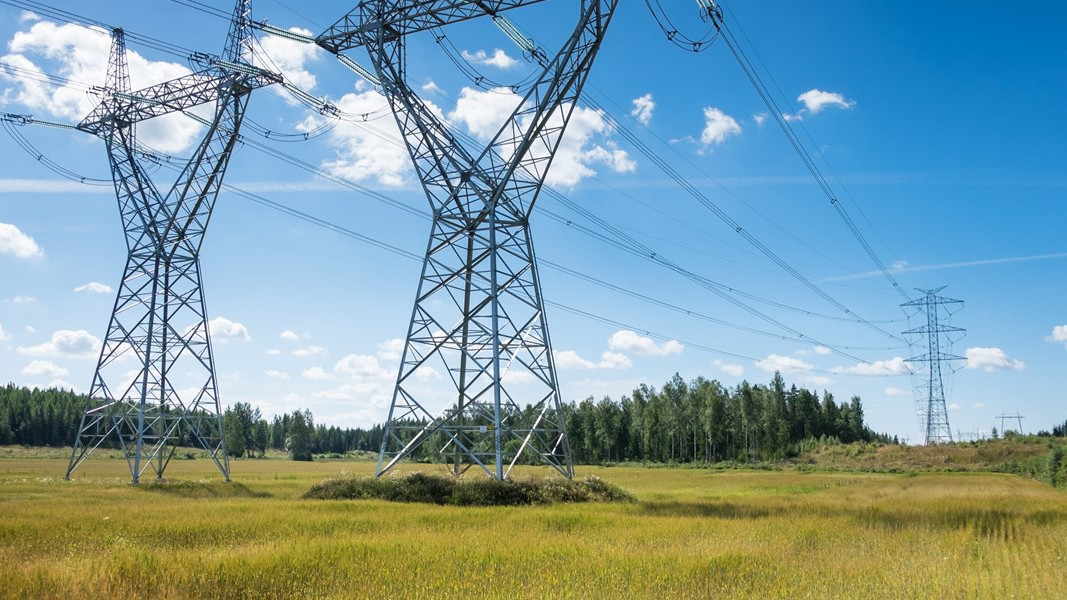
Morning Edition · Sunday, November 29, 2026Published at 12:16 AM EST · New York
US Grid Expansion Lags Data-Center Demand While Brazil Wastes Surplus Wind and Solar Power
OilPrice reports the US is building about a tenth of the power lines it needs, while EDP's global chief executive says the utility is studying bringing companies to Brazil's Northeast to use electricity that now goes unused.
US transmission construction is falling behind electricity demand from artificial intelligence (AI) data centers, industry and electrification, OilPrice reported. It said the country builds about 10% of the lines it needs and that the shortfall puts grid resilience and competitiveness at risk. Earlier data from the consultancy Grid Strategies support the order of magnitude. Its 2025 report estimated a need for about 5,000 miles of high-voltage regional lines a year, against an average of 536 miles a year from 2020 to 2024.
Brazil has the opposite problem. While large technology companies search worldwide for clean, cheap power for their data centers, Brazil has to switch off wind and solar plants because the grid cannot absorb all their output, Folha reported. The paper quoted the global chief executive of EDP, the Portuguese utility. Translated from Portuguese, the executive said: "We are studying bringing companies to the Northeast and using wasted renewable energy." CNN Brasil, citing sector data, reported that about one fifth of the renewable power generated in Brazil in 2025 went unused.
China is addressing the same mismatch with a market-based approach. Beijing is building a national system to trade solar and wind power in real time and cut coal use, the Financial Times reported. In all three countries, the limiting factor for AI capacity is moving from chips and capital to the wires that connect power plants to the places that use the power.
Part of a tracked trend
The Grid Becomes the AI Bottleneck
Electricity transmission, more than chips or capital, increasingly decides where and how fast AI compute gets built, shifting data-center investment toward jurisdictions with surplus power and the ability to connect it.
Townsquare
Start a discussion in Townsquare.
More from this edition
- European Central Bank and Federal Reserve Officials Stay on Course for December Rate Hikes as Fuel Prices Fall
- S&P 500 Gains 5.6% in Holiday Week but Remains on Track for Its Worst November Since 2008
- Houthis Claim Strikes on Riyadh Airport and Saudi Energy Sites as Iran Reports a Tanker Fire Near Hormuz
- Zelensky Rejects a US-Mediated Settlement He Says Would Make Ukraine Pay for Russia's War
- Moscow's Mayor Says 542 Ukrainian Drones Flew Toward the Capital Region Overnight
- Beijing Says Taiwan's Local Election Results Will Not Change Its Course After the Kuomintang Holds Taipei
- Libya's Eastern Government Takes Ukraine's Benghazi Port Strike to the UN as Meloni Confronts Zelensky
Comments
0No comments yet.