← The Global Intelligence Brief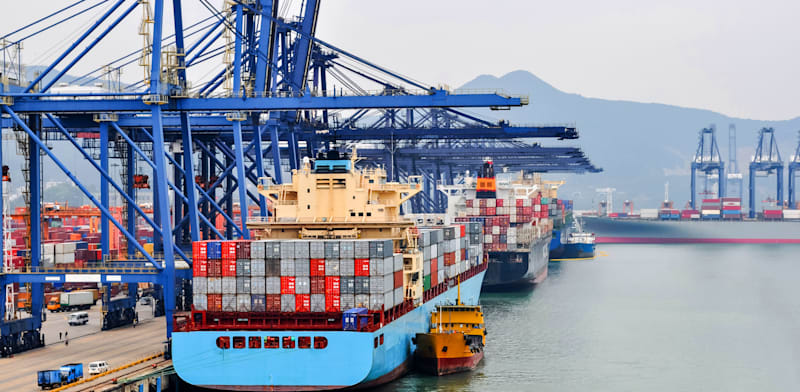
 2 sources
Morning Edition · Tuesday, August 11, 2026Published at 1:17 AM EDT · New York
Malaysia Seizes an Israel-Bound Arms Shipment as Cyprus Weighs Buying Israeli Tanks
The container held at Tanjung Pelepas was consigned to Elbit Systems Land, while Nicosia considers Israeli armour to replace Soviet-era T-80s.
Malaysia's Border Control and Protection Agency seized a container at the Port of Tanjung Pelepas in Johor, one of the busiest transhipment points on the route between China and Europe. The Israeli business daily Globes reported that the shipment was consigned to Elbit Systems and that Malaysian border officials warned any attempt to export goods to Israel, directly or indirectly, in breach of Malaysian law would be treated severely. Malaysian outlets reported the container was aboard the vessel Berlin Maersk and that the seizure followed the Customs (Prohibition of Exports) Order 2023, which bans direct and indirect exports to Israel. Prime Minister Anwar Ibrahim publicly commended the agency and said Malaysia will not serve as a transit route for Israel-bound trade.
Demand for the same industry is rising elsewhere. Globes also reported that Cyprus wants to buy Israeli tanks rather than German ones, to replace ageing Russian-made T-80s, against the background of increased tension with Ankara. The report added that it is not certain Israel would supply the tanks, given its own operational requirements.
The two stories describe one shift. Arms procurement and arms logistics are following political alignment rather than price or delivery time. Buyers who once selected on cost now select on whether the seller will still ship in a crisis, and transit states are asserting the right to inspect and block cargo moving through their waters.
For a manufacturing sector built on long international supply chains and chokepoint shipping, that is a durable increase in cost. Routing around a hostile transhipment hub adds days and freight, and it removes the efficiency that made those hubs central in the first place.
Veracity: Corroborated
85/100- If true, who benefits
Malaysia's government gains domestic and Global-South political standing, competing transhipment hubs in Singapore and the Gulf gain volume from shippers avoiding the risk, and Israeli manufacturers pay through longer routings and higher insurance.
- The nuance
The seizure at Tanjung Pelepas on 7 August is confirmed by Malaysian authorities and reported across Malaysian and Middle Eastern outlets, but the description of the contents as weapons-manufacturing equipment is a preliminary Malaysian assessment still under investigation with no confirmation from Elbit Systems or the shipper, and Nicosia's interest in Merkava tanks remains a request that Israeli officials are divided over granting.
An open-source-intelligence read of how likely this story is true with its real nuance, not a judgment of any outlet. It assesses the claim, weighing independent and adversarial reporting. How we label confidence.
What this means
Synthesized from: Globes (Hebrew) · Globes (Hebrew)
Townsquare
Start a discussion in Townsquare.
More from this edition
- Oil's 5% Jump Lifts the Ten-Year Treasury Yield to 4.70% Before Wednesday's US Inflation Report
- Iran Sets Blockade Removal as Its Price for Hormuz, as Iraqi Lawmakers Press for a US Withdrawal
- US Securities Regulator Schedules Vote on First Major Crypto Rulemaking as Bitcoin Slips Below $65,000
- Libya's Largest Working Refinery Hit by a Third Drone Strike in Four Days
- Colombia's Magnitude 7.4 Earthquake Kills at Least 132 People and Damages More Than 1,500 Buildings
- Moscow's Air Defences Shoot Down Seven Drones as Ukraine Extends Strikes Deep Into Russia
- China Loses a Long March 7A and Its Satellite 85 Seconds After Launch as Japan Puts a Navigation Satellite in Orbit
Comments
0No comments yet.