← The Global Intelligence Brief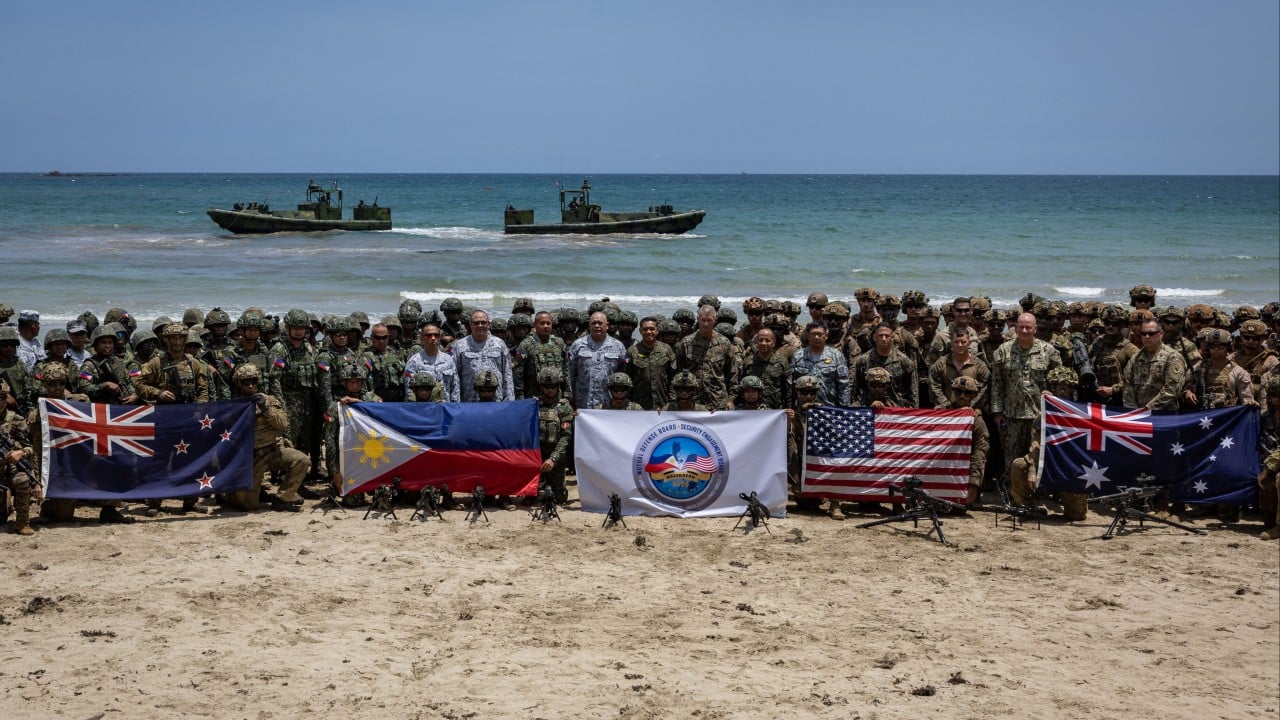

 2 sources
Morning Edition · Tuesday, August 11, 2026Published at 1:17 AM EDT · New York
The Iran War Has Exposed Gaps in US Weapons Stockpiles as Washington Presses Southeast Asia on Deterrence
Pentagon policy chief Elbridge Colby told a Manila forum the United States now prioritises practical defence cooperation over ideology, a shift that arrives as munitions inventories run down.
Five months of fighting with Iran have drawn down American munitions faster than industry can replace them, and Al Jazeera has posed the question directly: where did the money go if the United States, after years of historically large defence budgets, is running short of interceptors and precision weapons. The gap between appropriated spending and delivered inventory is the central fact, and it is not disputed by either critics or supporters of that spending.
At the same time, Washington is asking its partners to take on more responsibility. Pentagon policy chief Elbridge Colby told a forum in Manila that the United States wants Southeast Asian states to join a strategy he called flexible realism, prioritising practical defence cooperation and hard deterrence over ideological alignment. Viewed alongside America's depleted stockpiles, the request is partly an industrial one: allied purchases and allied production capacity substitute for American inventory that Washington no longer has to spare.
An analysis grounded in Austrian economics, which distinguishes real production capacity from the amount of money spent, is uncomfortable for both political camps here. Large, sustained appropriations do not automatically produce capacity when the money flows through a procurement system with few suppliers, long lead times and cost-plus contracting. Capital gets committed to programmes rather than to actual output, and the shortfall only becomes visible when a real war consumes real ammunition.
That is why the current cycle should outlast the Iran conflict. Replenishing interceptor and artillery stocks takes years of production, and every ally now asked to hold more of its own inventory adds to the same order book.
Veracity: Corroborated
87/100- If true, who benefits
Munitions producers and their subcontractors gain years of order flow, allied governments asked to buy and build more gain influence in Washington, and the Pentagon gains an argument for emergency appropriations, which is why the shortfall numbers themselves are contested.
- The nuance
CNN reported roughly four-fifths of the THAAD interceptor inventory consumed and the Center for Strategic and International Studies estimates Patriot stocks down by two-thirds, but those figures come from unnamed officials and outside estimates, the White House and Pentagon publicly dispute the "running out" framing, and Elbridge Colby had already set out flexible realism in Seoul in February, so Manila is continuity rather than a new departure.
An open-source-intelligence read of how likely this story is true with its real nuance, not a judgment of any outlet. It assesses the claim, weighing independent and adversarial reporting. How we label confidence.
What this means
Synthesized from: Al Jazeera · South China Morning Post
Townsquare
Start a discussion in Townsquare.
More from this edition
- Oil's 5% Jump Lifts the Ten-Year Treasury Yield to 4.70% Before Wednesday's US Inflation Report
- Iran Sets Blockade Removal as Its Price for Hormuz, as Iraqi Lawmakers Press for a US Withdrawal
- US Securities Regulator Schedules Vote on First Major Crypto Rulemaking as Bitcoin Slips Below $65,000
- Libya's Largest Working Refinery Hit by a Third Drone Strike in Four Days
- Colombia's Magnitude 7.4 Earthquake Kills at Least 132 People and Damages More Than 1,500 Buildings
- Moscow's Air Defences Shoot Down Seven Drones as Ukraine Extends Strikes Deep Into Russia
- China Loses a Long March 7A and Its Satellite 85 Seconds After Launch as Japan Puts a Navigation Satellite in Orbit
Comments
0No comments yet.