← The Global Intelligence Brief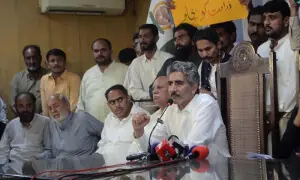
Morning Edition · Tuesday, August 11, 2026Published at 1:17 AM EDT · New York
Pakistan's Farmers Threaten a March on Rawalpindi as the World Bank Objects to Diverted Flood Funds
The Pakistan Kissan Ittehad has demanded the resignation of Punjab's chief minister by 25 September, and the World Bank warns that moving money from Balochistan housing to infrastructure would deepen poverty.
The Pakistan Kissan Ittehad, a farmers' organisation, has demanded the immediate resignation of Punjab Chief Minister Maryam Nawaz and warned it will lead a nationwide march on Rawalpindi starting 25 September if the demand is not met. Farmers' grievances centre on crop prices, input costs and support policy in a province that produces the bulk of Pakistan's wheat.
On the fiscal side, the World Bank has told Islamabad it is displeased with the redirection of funds from a multi-billion-rupee resilient housing programme for flood-affected populations in Balochistan toward infrastructure projects, warning that the shift would worsen poverty and create reputational problems for the lender.
The two items describe the same constraint from different directions. A government operating under external programme conditions has little discretionary money, so it moves concessional funds between line items to meet immediate political demands. Doing so raises the price of the next tranche, because lenders adjust their conditions when disbursed money does not reach its stated purpose.
Agricultural discontent is the more immediate risk. Pakistan imports fuel and fertiliser in dollars and sells wheat in rupees, and every currency depreciation widens the gap that farm-support subsidies have to close. When the state cannot close that gap, the dispute turns from a pricing disagreement into public protest.
Veracity: Corroborated
88/100- If true, who benefits
Opposition parties gain from farm anger directed at the Punjab government, provincial contractors gain from money moved into roads and irrigation, and holders of Pakistani sovereign debt lose if the World Bank attaches harder conditions to the next tranche.
- The nuance
The redirection was approved by a steering committee that included Balochistan's own chief minister, not imposed by Islamabad alone, and the material consequence already visible is that the World Bank dropped a proposed $180 million in additional financing, while the farmers' 25 September march remains an announced threat rather than a demonstrated mobilisation.
An open-source-intelligence read of how likely this story is true with its real nuance, not a judgment of any outlet. It assesses the claim, weighing independent and adversarial reporting. How we label confidence.
What this means
Pakistan's ability to borrow cheaply depends on multilateral confidence that disbursed funds go where the programme says, and the World Bank's objection puts that confidence in question just as farm protests threaten the political stability lenders price. Pakistani sovereign bondholders and the rupee are exposed through the cost and timing of the next disbursement. Domestically, the cost of imported fertiliser and fuel is what turns a currency problem into an agricultural one, and wheat supply for the next planting season is the channel through which it reaches consumers.
Townsquare
Start a discussion in Townsquare.
More from this edition
- Oil's 5% Jump Lifts the Ten-Year Treasury Yield to 4.70% Before Wednesday's US Inflation Report
- Iran Sets Blockade Removal as Its Price for Hormuz, as Iraqi Lawmakers Press for a US Withdrawal
- US Securities Regulator Schedules Vote on First Major Crypto Rulemaking as Bitcoin Slips Below $65,000
- Libya's Largest Working Refinery Hit by a Third Drone Strike in Four Days
- Colombia's Magnitude 7.4 Earthquake Kills at Least 132 People and Damages More Than 1,500 Buildings
- Moscow's Air Defences Shoot Down Seven Drones as Ukraine Extends Strikes Deep Into Russia
- China Loses a Long March 7A and Its Satellite 85 Seconds After Launch as Japan Puts a Navigation Satellite in Orbit
Comments
0No comments yet.