← The Global Intelligence Brief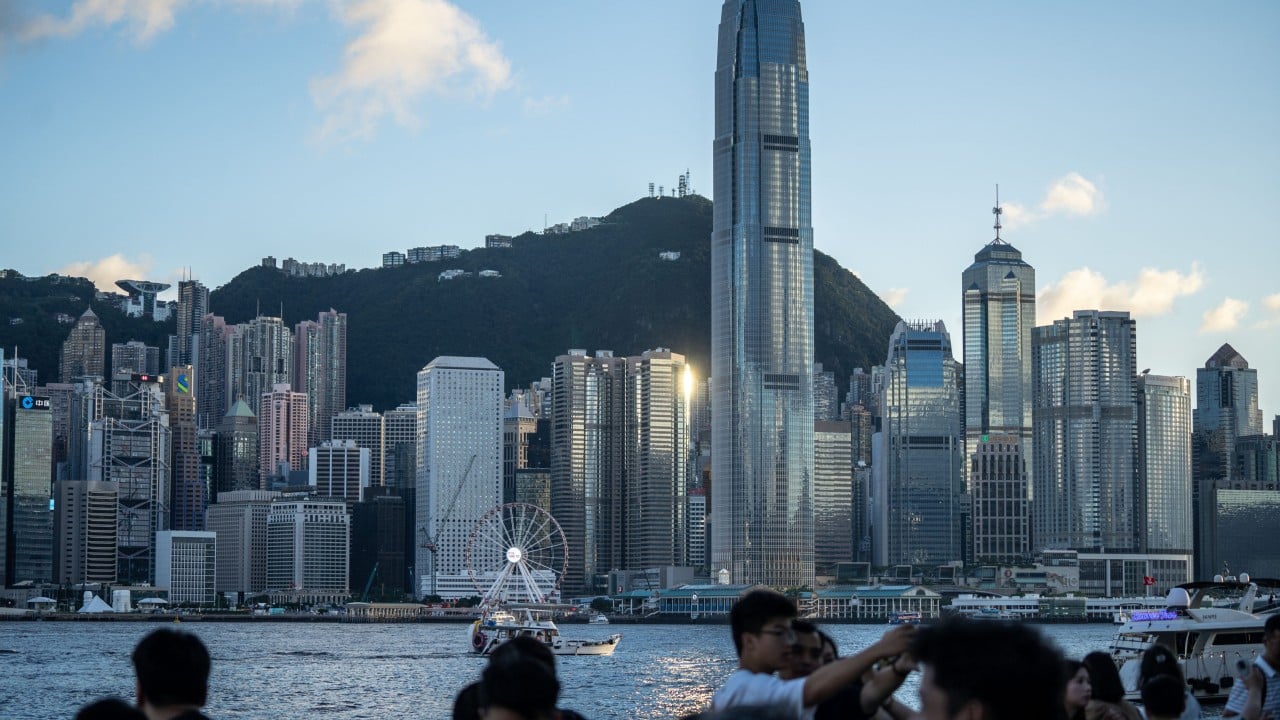

 3 sources
Morning Edition · Friday, August 14, 2026Published at 1:20 AM EDT · New York
Hong Kong will list the first Shanghai free-trade zone bond as China builds financial channels outside the dollar
Hong Kong Exchanges and Clearing announced the listing on Thursday to defend its position as the main offshore yuan centre against competition from the mainland.
Hong Kong Exchanges and Clearing said on Thursday it will host the first offshore bond issued out of the Shanghai free-trade zone, using the listing to defend its standing as the world's principal offshore yuan centre against a mainland rival that is building the same capability, the South China Morning Post reported.
The listing follows the debut on 3 August of the first offshore futures contract on Chinese government bonds, a five-year cash-settled instrument that lets foreign investors hedge onshore rate risk without entering the mainland market, according to Caixin. Foreign holdings of Chinese interbank bonds have quadrupled since 2017 to around 3.2 trillion yuan.
Physical infrastructure is following the same logic. The South China Morning Post reported that China has completed testing on a canal link toward Southeast Asia, shortening a domestic route to regional ports. In Russia, a deputy head of the United Shipbuilding Corporation said vessels intended for the Amazon river could be built in Brazil in cooperation with the Russian group rather than shipped from Russia, TASS reported, because transporting completed hulls that distance is not always economic.
None of these steps replaces the dollar. Taken together, they describe a pattern that has continued for several years: financing channels, hedging instruments, freight routes and industrial partnerships built between non-Western economies, each one modest, each one reducing the number of transactions that must pass through a Western intermediary. The constraint on yuan internationalisation remains capital controls, which is exactly what a legally separated free-trade zone bond market is designed to circumvent.
Part of a tracked trend
China Anchors a Parallel Bloc
China keeps deepening ties with neighbors and Global South states through high-level diplomacy, assembling a bloc that runs parallel to Western-led alliances and hardens a multipolar order.
Veracity: Corroborated
76/100- If true, who benefits
Hong Kong Exchanges and Clearing gains listing and clearing fees and defends its role against Shanghai, Beijing gains cheaper foreign participation in yuan debt without opening the capital account, and dollar-clearing intermediaries lose a share of transactions that previously had no alternative route.
- The nuance
The individual facts hold up, including the 5 August debut of offshore Chinese government bond futures and the revival of Shanghai free-trade-zone bond issuance at a scale of about 1.5 billion yuan, but the article's connective claim that a canal test, a Russian shipbuilding proposal reported only by TASS and a bond listing form one deliberate architecture is interpretation, not established fact, and none of it has yet produced measurable reserve diversification.
An open-source-intelligence read of how likely this story is true with its real nuance, not a judgment of any outlet. It assesses the claim, weighing independent and adversarial reporting. How we label confidence.
What this means
Synthesized from: South China Morning Post · South China Morning Post · TASS
Townsquare
Start a discussion in Townsquare.
More from this edition
- Washington makes cheaper fuel its stated top aim in the Iran war as Treasury threatens total economic isolation
- White House says tariff evasion costs it up to $26 billion a year as Brazil opens a retaliation process
- AI capital spending moves into foreign bond markets as model prices collapse
- Carry traders rebuild yen short positions weeks after the coordinated intervention
- Trump imposes tariffs of up to 100% on imported drones and their components
- Tata Motors profit falls 80% as Gulf shipping disruption reaches Indian corporate earnings
- Russian state media report damage to power and industrial infrastructure on both sides of the front
Comments
0No comments yet.