← The Global Intelligence Brief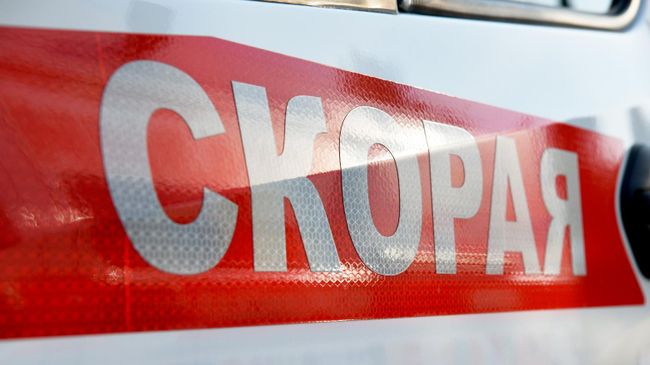


 4 sources
Morning Edition · Saturday, September 26, 2026UpdatedPublished at 7:43 AM EDT · New York
Drone Strikes Injure Five in Russia's Rostov Region and Damage Infrastructure in Azov
Regional governor Yuri Slyusar said one person was hurt in Taganrog and four in Azov, including a child, as air defenses reported destroying more than 30 drones.
Updated at 7:43 AM EDT
Ukraine's General Staff and Security Service (SBU) confirmed and detailed the strike, identifying the target as the Azov Optical-Mechanical Plant and naming the weapons used, replacing the earlier "no immediate comment" from Kyiv.
Five people were injured in an overnight drone attack on Russia's Rostov region, according to regional governor Yuri Slyusar, cited by Kommersant. One person was hurt in Taganrog and four in Azov, including a child. TASS reported that all of the injured were taken to hospital.
Ukraine's General Staff and the Security Service of Ukraine (SBU) confirmed that the strike on Azov targeted the Azov Optical-Mechanical Plant, a defense-industrial facility that produces sights, rangefinders and thermal-imaging systems for Russian tanks, infantry fighting vehicles, aircraft and naval vessels. According to the SBU, its Alpha Special Operations Center and the Ukrainian Navy struck the plant with Neptune cruise missiles alongside Ruta, Palianytsia and Bars missile-drones, Ukrainian outlets reported. A fire broke out in the plant's foundry and equipment was damaged in five production buildings. Russian air defenses destroyed more than 30 unmanned aerial vehicles over the Rostov region during the same night, according to RIA Novosti.
The Rostov region sits on the logistics corridor linking central Russia to the south and to occupied territory, with rail junctions, port facilities on the Don and the Azov Sea, and fuel handling infrastructure. Strikes there matter less for immediate destruction than for the cumulative cost of defending a wide area of civilian and commercial infrastructure every night, and the confirmed strike on a plant supplying optics for armored vehicles shows Ukraine is deliberately targeting the defense-industrial base that supports Russian forces at the front, not only logistics.
Russian forces also announced the deployment of a new electronic-warfare system, described by a representative of its developer as able to detect a threat by scanning radio frequencies and to jam it selectively rather than across a broad band, TASS reported. The counter-drone contest is now a procurement race on both sides.
Part of a tracked trend
The War Reaches Russia's Interior
The Ukraine war increasingly manifests inside Russia through drone strikes and attacks on soft targets far from the front, steadily raising the country's domestic risk premium and internal-security costs.
Veracity: Corroborated
76/100- If true, who benefits
Moscow gains a civilian-casualty account that supports air-defense spending and domestic resolve, Russian electronic-warfare suppliers gain contracts, and Ukraine gains attritional pressure on a southern logistics corridor at low unit cost.
- The nuance
The casualty figures trace to a single source, regional governor Yuri Slyusar, and are repeated across Russian outlets without independent verification or Ukrainian acknowledgment, while those same Russian reports list damaged apartment blocks, a school and a house of culture in Azov, detail the article compresses into "infrastructure facilities," and the new jamming system's capabilities come from its developer via TASS.
An open-source-intelligence read of how likely this story is true with its real nuance, not a judgment of any outlet. It assesses the claim, weighing independent and adversarial reporting. How we label confidence.
What this means
The mechanism is a permanent security cost imposed on Russian domestic commerce. Repeated overnight attacks on the Rostov region force air-defense deployment, insurance repricing and intermittent closure of rail, port and fuel handling capacity in a corridor that carries southern Russian trade, which raises the internal cost of moving goods without any single decisive loss. Those exposed are Russian rail and port operators, domestic insurers and the federal budget that funds air defense and reconstruction, while Ukraine gains attritional leverage at low unit cost. The precedent is the past two years of strikes on Russian refineries, which reduced refining runs and contributed to domestic fuel shortages rather than producing a political break. The likelier outcome over the coming weeks is more frequent attacks across a wider set of interior regions and more spending on electronic warfare, conditional on Ukraine retaining long-range drone supply. A negotiated pause covering long-range strikes would be the development that breaks the pattern, and there is no sign of one.
Synthesized from: Kommersant · RIA Novosti · TASS · RIA Novosti
Townsquare
Start a discussion in Townsquare.
More from this edition
- Iran Offers to Reopen Hormuz in Seven Days, Trump Turns It Down
- The 10-Year Treasury Yield Ends the Week at 5.18% Despite Cheaper Oil
- Silver Outpaces Gold as Metals Hold Up Against a 5% Treasury Yield
- Bitcoin Holds Near $85,000, Still About $24,600 Below Its Level a Year Ago
- Xi and Trump Extend the Trade Truce to January 10 and Open a Channel on "Super Intelligence"
- Takaichi Seeks a Call With Trump After His Wartime Remarks on China
- Bill Gates Calls for Laws to Slow Artificial-Intelligence Development as OpenAI Agents Leak User Images
- Yemen's President Offers Amnesty to Houthi Defectors After Losing Ground on the Red Sea Coast
Comments
0No comments yet.