← The Global Intelligence Brief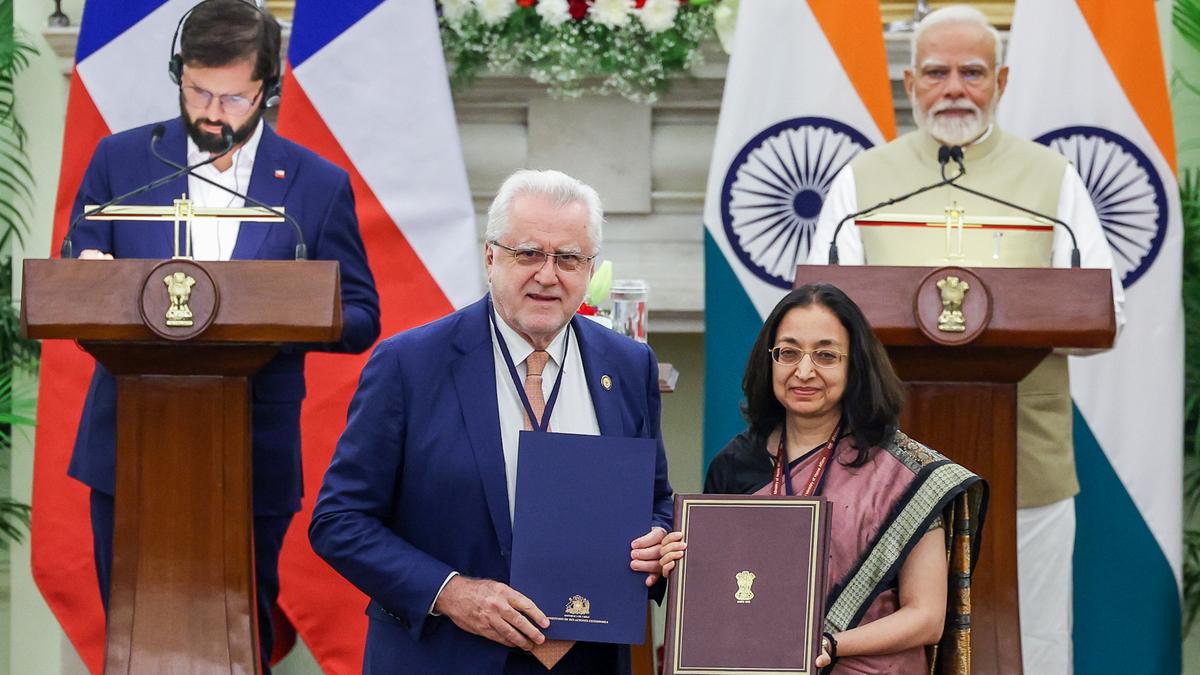

 3 sources
Morning Edition · Saturday, September 26, 2026Published at 1:17 AM EDT · New York
Japan Overtakes the United States as India's Largest Source of Foreign Direct Investment
Equity inflows rose 6% to $19.81 billion in the first quarter while American investment fell to $1.34 billion, and New Delhi opened trade talks with Chile alongside a copper supply deal.
Foreign direct investment equity inflows into India rose 6% to nearly $19.81 billion in the first quarter, with Japan the largest source and investment from the United States falling to $1.34 billion, the Economic Times reported. Services took the largest share. The composition matters more than the headline growth rate, because it shows India's capital base diversifying away from a single dominant source while tariff disputes with Washington remain unresolved.
India and Chile agreed to begin negotiations on a comprehensive trade agreement, and Chile's state copper producer CODELCO signed a deal with Hindustan Copper that The Hindu reported could reduce Chile's dependence on the Chinese market. The two countries also agreed to deepen cooperation on Antarctic exploration. For India the appeal is secured access to copper at a time when electrification demand is rising. For Chile it is a second large buyer for the commodity that dominates its exports.
Regional diplomacy moved in the same direction. Prime Minister Narendra Modi and Bangladesh Chief Adviser Muhammad Yunus held a 40-minute meeting despite ongoing tensions, covering the treatment of minorities, boundary tensions, the Ganges and Teesta water treaties and the status of former prime minister Sheikh Hasina, according to The Hindu.
Each of these arrangements is bilateral and specific, negotiated outside multilateral frameworks and outside the two blocs that dominate trade policy discussion.
What this means
The mechanism is trade and capital routing around the United States-China axis through bilateral deals that secure physical inputs. Japan replacing the United States as India's largest equity investor while a Chilean state producer contracts directly with an Indian buyer reflects both Chile reducing single-buyer concentration in copper and India reducing single-source dependence in capital. Those who gain are Indian manufacturers securing input supply and Chilean exporters diversifying demand. Those who lose relative position are Chinese copper buyers facing a new competitor for Chilean output and American investors whose share of Indian equity inflows is shrinking while tariff negotiations remain unresolved. The precedent is the wave of bilateral resource agreements Japan signed across Asia and Latin America after the 2010 rare-earth dispute with China, which durably changed supply routing. The likelier outcome over the coming years is more deals of this shape, conditional on the India-United States tariff dispute remaining unresolved. A comprehensive India-United States trade agreement would slow the trend by restoring the cheaper route.
What to watch
- Whether American investment into India recovers in the next quarterly data, which would show the tariff dispute is not deterring capital.
- The pace of India-Chile negotiations, since a comprehensive agreement would set a template for Indian deals with other resource exporters.
- Follow-up on the Modi-Yunus agenda, particularly the Teesta water question, which is the item most likely to stall.
Observations to monitor, not financial advice.
Synthesized from: Economic Times · The Hindu · The Hindu
Townsquare
Start a discussion in Townsquare.
More from this edition
- Iran Offers to Reopen Hormuz in Seven Days, Trump Turns It Down
- The 10-Year Treasury Yield Ends the Week at 5.18% Despite Cheaper Oil
- Silver Outpaces Gold as Metals Hold Up Against a 5% Treasury Yield
- Bitcoin Holds Near $85,000, Still About $24,600 Below Its Level a Year Ago
- Xi and Trump Extend the Trade Truce to January 10 and Open a Channel on "Super Intelligence"
- Takaichi Seeks a Call With Trump After His Wartime Remarks on China
- Bill Gates Calls for Laws to Slow Artificial-Intelligence Development as OpenAI Agents Leak User Images
- Drone Strikes Injure Five in Russia's Rostov Region and Damage Infrastructure in Azov
Comments
0No comments yet.