← The Global Intelligence Brief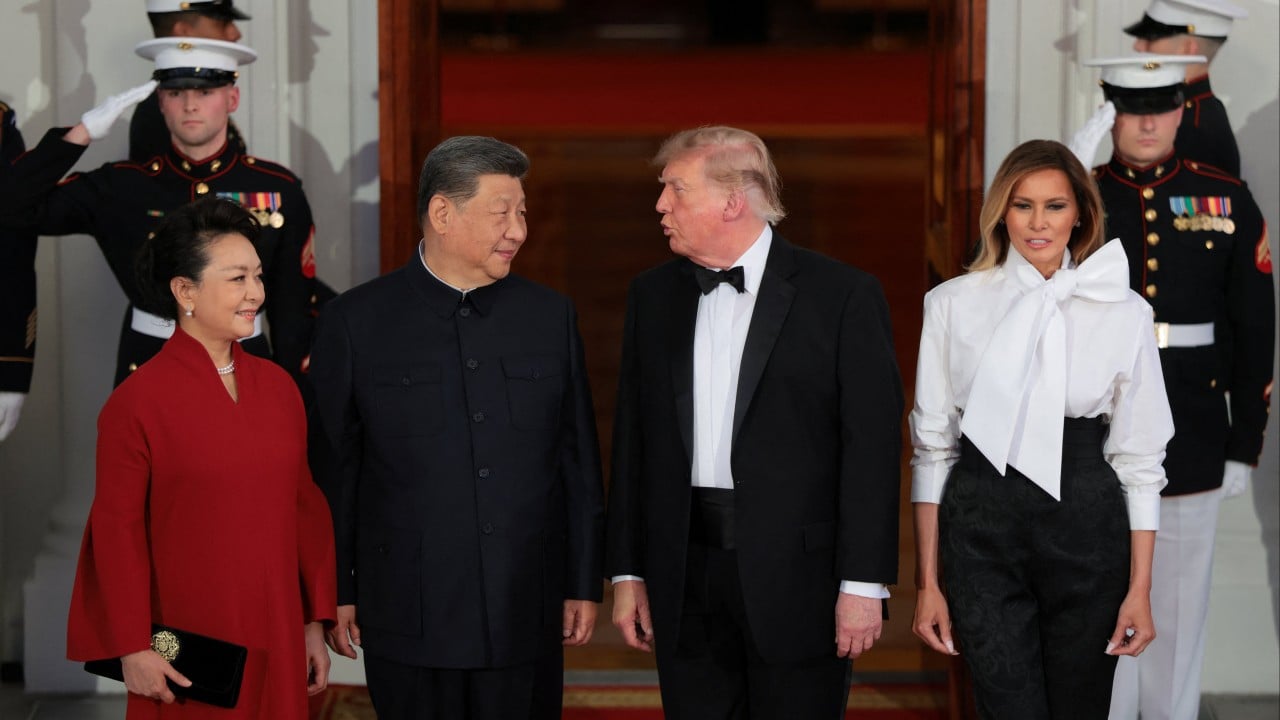

 2 sources
Morning Edition · Saturday, September 26, 2026Published at 1:17 AM EDT · New York
Xi and Trump Extend the Trade Truce to January 10 and Open a Channel on "Super Intelligence"
Treasury Secretary Scott Bessent confirmed a two-month extension, while the White House said the two governments will set up a bilateral line for artificial-intelligence incidents.
China and the United States agreed to create a bilateral communication channel for "super intelligence" incidents, according to a White House statement on the deliverables of Chinese President Xi Jinping's visit to Washington, reported by the South China Morning Post. This is a new mechanism between the two governments for handling failures of advanced artificial-intelligence systems, comparable to earlier agreements covering military incidents at sea.
On trade, Treasury Secretary Scott Bessent said the two countries would extend their expiring truce until January 10, a two-month extension of the arrangement struck after the leaders met in Busan last year. That deal lowered American tariffs and suspended Chinese export controls on rare earths and critical minerals. CNBC's summit takeaways described a visit that produced few concrete agreements despite substantial ceremony, with Taiwan and Iran discussed without resolution.
The New York Times reported that Xi used praise, warnings and wartime history in his talks with Trump to challenge American backing for Taiwan and Japan. Beijing's framing of the Second World War alliance against Japan served a present purpose, which was to invite Washington to treat Tokyo's security position as negotiable.
Nothing structural changed. Tariff rates, export controls and technology restrictions remain in place with a new expiry date attached, which converts the bilateral relationship into a series of short renewable arrangements tied to a fixed calendar.
Veracity: Corroborated
90/100- If true, who benefits
Both governments get a deliverable that costs nothing structural, importers and rare-earth-dependent manufacturers get a two-month planning window, and Beijing gets Washington to treat artificial-intelligence governance as a bilateral matter between equals.
- The nuance
The truce extension to January 10 and the communication channel for artificial-intelligence incidents are both confirmed, but the channel has no published text, staffing or escalation tiers, and the wartime-history framing the article attributes to Xi Jinping was voiced on the record by Trump himself, who cited "common interests" that "even made us allies in World War II".
An open-source-intelligence read of how likely this story is true with its real nuance, not a judgment of any outlet. It assesses the claim, weighing independent and adversarial reporting. How we label confidence.
What this means
The mechanism is deadline-driven risk. A truce with a January 10 expiry gives importers, rare-earth-dependent manufacturers and semiconductor supply chains a two-month planning horizon and no more, which encourages inventory building ahead of the date rather than investment behind it. Those exposed are automakers and defense suppliers reliant on Chinese critical minerals, and American exporters whose access depends on tariff levels that reset by announcement. Xi wants American commitments on Taiwan and Japan diluted and can offer minerals and purchases toward that end. Trump wants a visible trade win before the midterm elections and can offer tariff relief. Neither can deliver a durable settlement, because each side's core demand is what the other treats as non-negotiable. The likelier outcome is another short extension in January rather than either a comprehensive deal or a breakdown, conditional on rare-earth flows continuing. A Chinese reimposition of export controls, or a formal shift in American language on Taiwan, would mark a real break from the pattern.
Synthesized from: South China Morning Post · The New York Times
Townsquare
Start a discussion in Townsquare.
More from this edition
- Iran Offers to Reopen Hormuz in Seven Days, Trump Turns It Down
- The 10-Year Treasury Yield Ends the Week at 5.18% Despite Cheaper Oil
- Silver Outpaces Gold as Metals Hold Up Against a 5% Treasury Yield
- Bitcoin Holds Near $85,000, Still About $24,600 Below Its Level a Year Ago
- Takaichi Seeks a Call With Trump After His Wartime Remarks on China
- Bill Gates Calls for Laws to Slow Artificial-Intelligence Development as OpenAI Agents Leak User Images
- Drone Strikes Injure Five in Russia's Rostov Region and Damage Infrastructure in Azov
- Yemen's President Offers Amnesty to Houthi Defectors After Losing Ground on the Red Sea Coast
Comments
1Sep 26, 5:17 AM · edited
The January 10 expiry puts the suspension of rare earth export controls back on the clock, so the binding deadline for both governments is now a licensing decision rather than a tariff rate.