← The Global Intelligence Brief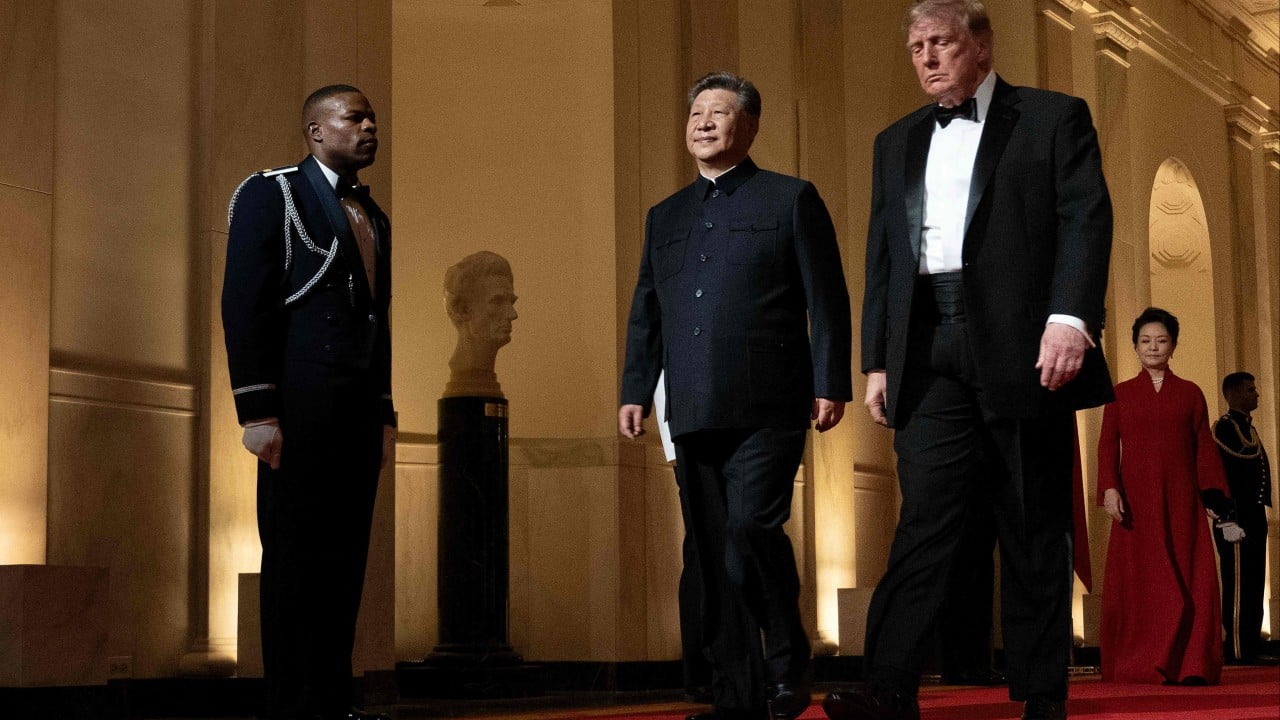
 1 source
Morning Edition · Saturday, September 26, 2026Published at 1:17 AM EDT · New York
Takaichi Seeks a Call With Trump After His Wartime Remarks on China
Tokyo's concern is that Beijing will use the Washington summit to cast Japan, not China, as the revisionist power in Asia.
Japanese Prime Minister Sanae Takaichi is believed to be seeking a telephone call with Trump to address Tokyo's concerns after the Washington summit, The Japan Times reported. The worry in Tokyo is that Beijing will use the meeting to reinforce a narrative in which Japan is the destabilizing actor in East Asia.
The trigger was Trump's invocation of the American alliance with China during the Second World War, references that the South China Morning Post reported were received in Tokyo as a serious departure from recent American framing. Chinese officials have long grounded their regional claims in wartime history, and an American president adopting that vocabulary, even casually, changes the diplomatic terms that shape Japan's security position.
Japanese officials have not disputed the substance of the alliance, and Washington has not announced any change to its commitments. The question Tokyo is asking is narrower and more practical: whether an administration that relies heavily on personal rapport with foreign leaders will treat Japanese security priorities as one input among many when negotiating with Beijing on trade and technology.
For markets the effect runs through Japanese defense procurement and the yen. A government that doubts the durability of an external guarantee spends more on its own capabilities and looks for partners beyond its treaty ally, both of which have fiscal consequences for a state already normalizing monetary policy after decades of accommodation.
Part of a tracked trend
Indo-Pacific Arms Race Accelerates
Over the next 3-6 months a sharpening regional arms race drives Japan and its neighbors to expand militaries and export weapons—Tokyo moving to sell missiles—as maritime confrontations with China multiply and Asian rearmament gathers pace.
Veracity: Plausible
71/100- If true, who benefits
Japanese defense contractors and officials seeking larger budgets gain a concrete argument, Beijing gains visible doubt inside the alliance at no cost, and Takaichi gains domestic justification for faster rearmament.
- The nuance
The Japan Times reports only that Takaichi is believed to be seeking a call rather than that one is scheduled, and the article omits that the China-Japan freeze began with Takaichi's own November statement that an attack on Taiwan could constitute a survival-threatening situation for Japan.
An open-source-intelligence read of how likely this story is true with its real nuance, not a judgment of any outlet. It assesses the claim, weighing independent and adversarial reporting. How we label confidence.
What this means
The mechanism is alliance credibility priced into fiscal and defense decisions. If Tokyo concludes American backing is contingent on the state of Washington's China negotiations, the response is higher domestic defense spending, faster domestic weapons production and broader security partnerships, all of which add to Japanese government borrowing at a moment when the Bank of Japan is raising the cost of that borrowing. Those exposed are Japanese government bond holders, Japanese defense contractors on the gaining side, and American suppliers who lose share as Tokyo builds its own capacity. Xi wants exactly this ambiguity and achieved it at low cost. Takaichi can seek reassurance but cannot compel a public restatement. The likelier outcome over the coming months is a reassuring call followed by larger Japanese defense budget requests rather than any visible rupture, conditional on no incident in the East China Sea forcing the issue. A joint American-Japanese statement restating specific treaty obligations would show that Tokyo secured more than a symbolic gesture.
Source: The Japan Times
Townsquare
Start a discussion in Townsquare.
More from this edition
- Iran Offers to Reopen Hormuz in Seven Days, Trump Turns It Down
- The 10-Year Treasury Yield Ends the Week at 5.18% Despite Cheaper Oil
- Silver Outpaces Gold as Metals Hold Up Against a 5% Treasury Yield
- Bitcoin Holds Near $85,000, Still About $24,600 Below Its Level a Year Ago
- Xi and Trump Extend the Trade Truce to January 10 and Open a Channel on "Super Intelligence"
- Bill Gates Calls for Laws to Slow Artificial-Intelligence Development as OpenAI Agents Leak User Images
- Drone Strikes Injure Five in Russia's Rostov Region and Damage Infrastructure in Azov
- Yemen's President Offers Amnesty to Houthi Defectors After Losing Ground on the Red Sea Coast
Comments
0No comments yet.