← The Global Intelligence Brief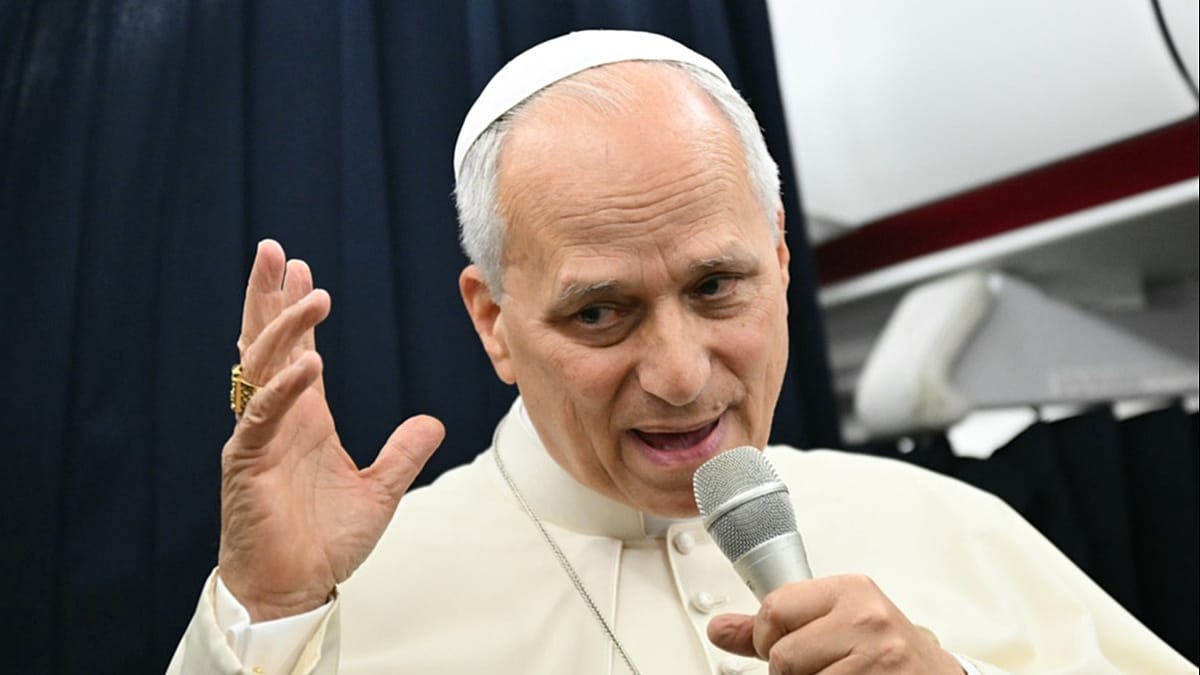


 3 sources
Morning Edition · Tuesday, September 29, 2026Published at 1:07 AM EDT · New York
OpenAI Shelves a New Model on Safety Grounds as Pope Leo XIV Rejects Calling AI Risk a Hoax
The company withheld a system it had prepared to release, and the pope publicly criticized technology executives who argue against any safety limits.
OpenAI has withheld a new model over safety concerns, Deutsche Welle reported, describing a broader effort within the industry to slow the release of increasingly powerful and autonomous systems until adequate safeguards are in place. The decision is a commercial choice as much as a technical one, since withholding a model both defers revenue and risks ceding ground to competitors.
On the final day of his tour of France, Pope Leo XIV said concerns about catastrophic outcomes from artificial intelligence are not "fake news", and criticized technology chief executives who argue the field needs no limits. The Japan Times noted that the first American pope has warned about the technology repeatedly during his 16-month papacy. Euronews wrote that the remarks appeared directed at President Donald Trump, who has described such warnings as a hoax advanced by his political opponents.
The two events reflect the same underlying trend. Voluntary restraint by the industry's largest developer creates a documented standard of care that regulators can point to, and public statements by a religious leader with no commercial stake widen the base of support for binding rules. Both increase the likelihood that decisions about releasing new models come under external review rather than remaining an internal company judgment.
Part of a tracked trend
AI Reclassified as a Security and Liability Problem
Governments keep moving artificial intelligence out of the industrial-policy column and into the national-security and product-liability columns, so compliance, approval delay and litigation costs rise for developers and compress the returns investors have priced into AI capital spending.
Veracity: Corroborated
88/100- If true, who benefits
Large incumbent developers with compliance staff gain from a standard of care that raises fixed costs for smaller entrants, and advocates of binding AI rules in Brussels and US state capitals gain a documented precedent, while OpenAI gains reputational credit for restraint it disclosed on its own terms.
- The nuance
The account of why the model was withheld comes from OpenAI itself via the Wall Street Journal's reporting with no external audit of the test results, so a competitive or legal calculation cannot be separated from the stated safety finding, and the pope's remarks were unscripted comments to reporters on his return flight from France rather than a formal Vatican document.
An open-source-intelligence read of how likely this story is true with its real nuance, not a judgment of any outlet. It assesses the claim, weighing independent and adversarial reporting. How we label confidence.
What this means
Safety delays create costs through three channels: deferred revenue, higher compliance overhead, and a legal record that plaintiffs can cite in future litigation. The parties most exposed are model developers carrying large capital spending commitments and investors who have priced rapid product cycles into their expected returns, while larger incumbents with dedicated compliance staff gain an advantage over smaller entrants. The precedent is the pharmaceutical industry, where a series of voluntary withdrawals preceded formal approval requirements that raised the fixed cost of bringing a product to market and consolidated the industry among fewer firms. The likelier outcome over the next year is that a major jurisdiction, most plausibly the European Union, converts pre-release safety evaluation from guidance into a legal requirement, lengthening the gap between a model being technically ready and being sold. If the United States instead uses federal authority to preempt state-level rules and no other government acts, the industry continues to regulate itself and this pressure fades.
Synthesized from: Deutsche Welle · Euronews · The Japan Times
Townsquare
Start a discussion in Townsquare.
More from this edition
- Oil Near $107 Pushes US Yields to a 19-Year High Before Wednesday's Inflation Report
- Trump Says He Is Considering a US Diesel Export Ban as Britain Lobbies for an Exemption
- Gold Falls About 3 Percent and Bitcoin Holds Near $83,000 as Real Yields Climb
- Washington Floats Sanctions Relief for Iranian Nuclear Concessions as Tehran Denies a UK Airbase Plot
- AMD Buys Fei-Fei Li's World Labs for $8.2 Billion in Stock and Its Shares Fall 4 Percent
- Germany and Five Other Capitals Demand Hundreds of Billions in Cuts to the EU Budget
- UAE Confirms Netanyahu's Four-Hour Abu Dhabi Visit as Riyadh Reaches Out Over the Yemen Rift
Comments
0No comments yet.