← The Global Intelligence Brief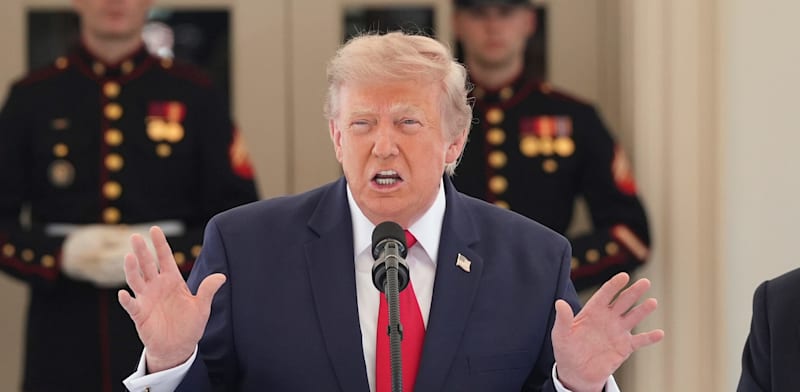

 2 sources
Morning Edition · Friday, October 9, 2026Published at 1:18 AM EDT · New York
Iran reviews the US counteroffer on its seven-day Hormuz plan as Trump rules out strikes before November 3
Iran's foreign minister says Tehran will reply within days, while Israeli coverage of New York Times reporting describes a Pentagon option for a three-day campaign against Iran's missile and drone stocks.
Iran said on Thursday it was still reviewing Washington's response to its proposal on the Strait of Hormuz. Foreign Minister Abbas Araghchi said Tehran could reply within days. The same day, Iran's atomic energy chief said the country would not give up uranium enrichment, and US Central Command (CENTCOM) called claims that the strait had been closed "false."
Under Iran's "Seven-Day Plan," the strait would reopen on the sixth day if the United States met Iran's conditions, with direct talks to follow on the seventh. In earlier remarks reported by Euronews Persian, Araghchi listed those conditions as an end to the war, the release of frozen Iranian funds and assets, and the freedom to sell Iranian oil.
President Donald Trump said Washington and Tehran were holding "productive discussions" and that he would not attack Iran before the midterm elections. The Israeli business daily Globes reported, citing The New York Times, that senior US officials had discussed a short campaign of about three days aimed at Iran's missile and drone stockpiles. The same report said the United States had warned its citizens in the Middle East about possible action by the Houthis and Iran.
Each side's position reflects its own interests. Trump wants lower fuel prices before voters go to the polls. Iran wants sanctions relief and keeps enrichment as its main bargaining chip. Israeli coverage puts the strike option at the center of the story, while Iranian officials put the sequence of concessions at the center. Neither government has published the text of the US response.
Part of a tracked trend
Fragile US-Iran Detente
The US-Iran settlement is a managed, reversible arrangement rather than a durable peace, so repeated rounds of brinkmanship and renegotiation will keep regional risk live and intermittently price back into energy markets.
Veracity: Plausible
74/100- If true, who benefits
If the dispute is only about the order of steps, Trump gets a pause in fuel-price risk before the election and keeps the blockade as leverage, Tehran gets four weeks without a stated strike threat to press for frozen assets and oil sales, and Gulf shipping insurers keep charging war premiums.
- The nuance
Several outlets, including ABC News, corroborate the pledge and Iran's review, but the three-day strike option rests on Globes' summary of New York Times reporting that this desk could not confirm directly, and other outlets report only that the White House asked the Pentagon to draw up strike plans. The article also leaves out that Trump publicly rejected the seven-day plan on September 26, and that the plan also requires a regional ceasefire covering Lebanon and Yemen and the release of about $12 billion in frozen assets.
An open-source-intelligence read of how likely this story is true with its real nuance, not a judgment of any outlet. It assesses the claim, weighing independent and adversarial reporting. .
Synthesized from: Dawn · Globes (Hebrew)
Townsquare
Start a discussion in Townsquare.
More from this edition
- Brent holds above $100 after a 4.1% jump as Trump rules out striking Iran before the midterms
- Sensex drops 1,045 points as $104 oil and expected rate hikes hit Indian assets
- Gold rises 1.1% as Treasury yields ease, while bitcoin falls for a fourth straight day
- US envoys bring new proposals to Miami talks after Russian strikes kill more than 70 Ukrainians in a week
- Bank of Thailand tightens checks on foreign-currency and gold inflows as Singapore prepares another tightening
- Pakistan reaffirms its Saudi defense pledge as Houthi strikes on Saudi airports enter a third day
- ECB minutes show September hike was driven by an energy shock now expected to last into 2027
Comments
1Oct 9, 5:18 AM · edited
The plan requires Washington to meet all three conditions before direct talks start on day seven, and none of those conditions covers enrichment, which Tehran says it will not give up.