← The Global Intelligence Brief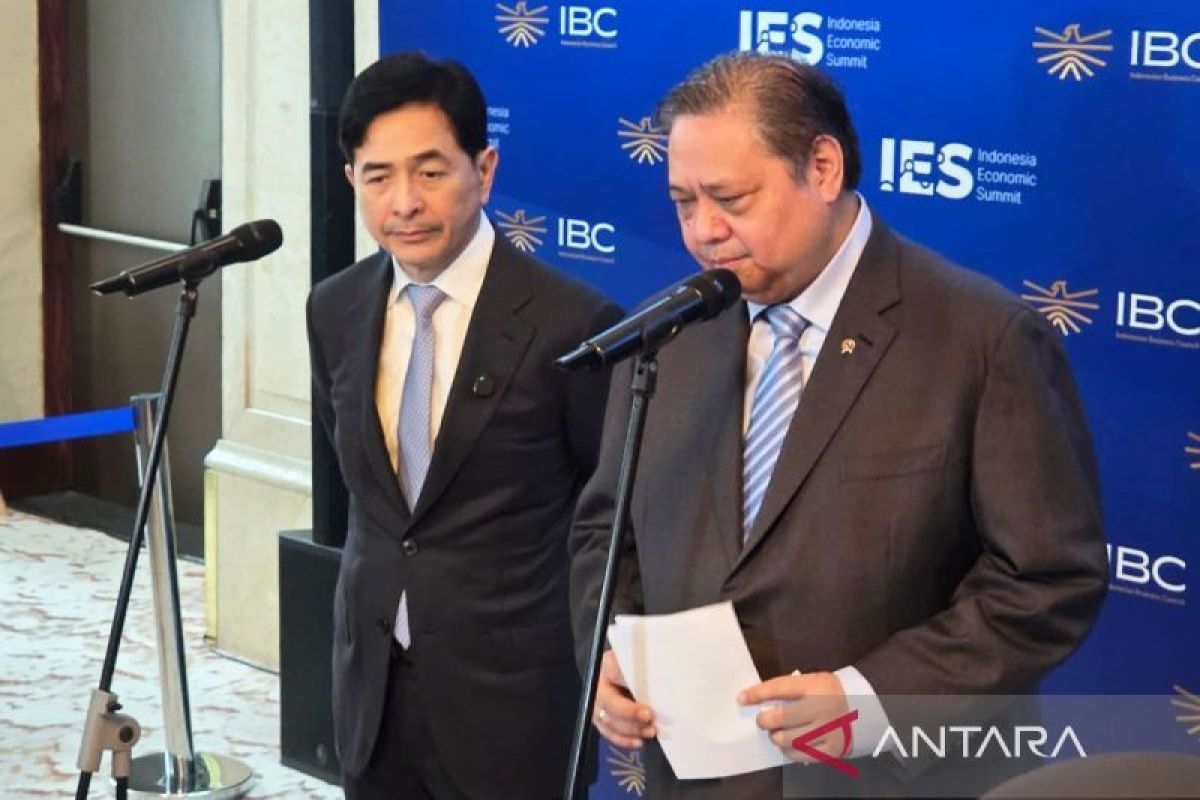

 3 sources
Morning Edition · Sunday, October 11, 2026Published at 1:17 AM EDT · New York
Indian Economists Expect the Reserve Bank to Raise Rates by Up to a Full Percentage Point as Oil Keeps Inflation Up
SBI Capital Markets says a larger move in December cannot be ruled out, after the Reserve Bank of India, which had last raised rates in 2023, lifted the repo rate to 5.50%.
The Reserve Bank of India (RBI) may raise its repo rate, the rate at which it lends to banks, by 75 to 100 basis points in the current cycle, according to SBI Capital Markets. The firm expects gradual increases but says a larger move in December cannot be ruled out.
The cycle has already begun. At its October meeting, the Monetary Policy Committee chaired by Governor Sanjay Malhotra voted unanimously to raise the repo rate to 5.50% from 5.25%, having last raised rates in February 2023. It changed its stance to "calibrated tightening." Reports of the decision cited crude prices persistently above $100 a barrel, pressure on the rupee, and retail inflation of 4.82% in August. The central bank raised its inflation forecast for the 2026-27 fiscal year to 5.2%.
Fiscal policy is adding costs at the same time. The Global Trade Research Initiative (GTRI), a New Delhi think tank, urged the government to withdraw a proposed 0.4% fee on Unified Payments Interface (UPI) merchant transactions above ₹2,000. GTRI warned that the fee would raise prices, squeeze small businesses and weaken demand.
Other large oil importers face the same problem. Indonesia's state news agency Antara reports that protecting household purchasing power is a top government priority as 2026 ends. Jakarta is relying on subsidies and fiscal support rather than tighter monetary policy.
Part of a tracked trend
Oil Importers' Central Banks Turn to Hikes
While the Gulf war keeps crude above $100, central banks in large oil-importing emerging economies will keep reversing earlier rate cuts to defend their currencies against imported inflation, raising local borrowing costs whatever the state of domestic growth.
What this means
The mechanism is imported inflation. Expensive oil, priced in dollars, raises domestic prices and weakens the rupee, so the central bank must raise rates to defend the currency whatever the state of domestic growth. Indian banks, rate-sensitive sectors such as housing and autos, and holders of rupee government bonds carry the cost. Savers gain positive real returns for the first time in this cycle. From a sound-money view, the RBI is following real prices back up after cutting rates when oil was cheaper, which is the cost of having eased into a supply shock. Markets already price one further move. A larger December increase would be the new information. The likelier outcome is another 25-basis-point increase in December if Brent stays above $100 and the rupee stays under pressure. A reopening of the Strait of Hormuz that pulls crude down sharply would end the cycle early and prove this read wrong.
What to watch
- India's September consumer price index release. A reading above August's 4.82% would strengthen the case for a larger December move.
- Whether New Delhi drops or delays the proposed UPI merchant fee. Withdrawal would show the government is unwilling to add to price pressure while the RBI is tightening.
- Rate decisions in Indonesia and other Asian oil importers. Matching increases would confirm a regional tightening cycle driven by oil.
Observations to monitor, not financial advice.
Synthesized from: Mint (rates) · Mint (UPI fee) · Antara
Townsquare
Start a discussion in Townsquare.
More from this edition
- Washington Suspends Russian Diesel Sanctions Until April Under a Trump-Putin Supply Deal
- US Long-Term Yields Stay Near Two-Decade Highs as Pre-Election Spending Adds to Fiscal Worries
- Supertanker Rates Topped $1 Million a Day as the Iran War Lengthened Oil Voyages
- Houthi Strike on Riyadh's Main Airport Kills 12 and Wounds 309
- Gold Rises 1.8% to About $4,183 While Bitcoin Slips Toward $82,800
- Drone Strikes Shut a Third Yandex Data Center, Disrupting Russian Taxi, Delivery and Cloud Services
- Flávio Bolsonaro Pledges Only Inflation-Linked Minimum Wage Rises Before Brazil's Oct. 25 Runoff
Comments
0No comments yet.