← The Global Intelligence Brief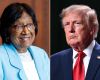

 2 sources
Morning Edition · Sunday, October 11, 2026Published at 1:17 AM EDT · New York
Washington Sanctions the International Criminal Court Hours After a Former Judge Wins the Nobel Peace Prize
The measures could restrict access to dollar banking for the court's roughly 900 staff, and South African commentators present Navi Pillay's prize as a defense of a legal order under pressure.
The Trump administration on Friday imposed sanctions on the International Criminal Court (ICC) as an institution, according to MercoPress. The move came hours after the Norwegian Nobel Committee awarded the Peace Prize to Navi Pillay, a South African jurist and former judge of the court.
Washington's legal basis is an executive order that declares any ICC effort to investigate, arrest or prosecute "protected persons" a threat to US national security. It names the United States, Israel and other states that have not accepted the court's jurisdiction. In November 2024 the court issued arrest warrants for Israeli Prime Minister Benjamin Netanyahu and former Defense Minister Yoav Gallant, as well as for Hamas leaders. Sanctioning the whole institution could cut the court's roughly 900 staff, drawn from about 100 countries, off from the dollar-based financial system and subject them to travel bans.
United Nations human rights experts said the order undermines the global rule of law and asked Washington to reverse it. In South Africa, an essay published by The Conversation Africa described Pillay's prize as a vote of confidence in a global legal order facing serious pressure. The US government's position is that the court has no authority over citizens of states that never joined it.
Part of a tracked trend
Dollar Access as a Weapon
Washington will keep extending sanctions from hostile states to international institutions and allied jurisdictions, and each extension pushes governments to build payment channels outside the dollar system, slowly eroding the dollar's reserve role.
Veracity: Corroborated
88/100- If true, who benefits
If the framing holds, US and Israeli officials exposed to International Criminal Court (ICC) investigations or warrants gain protection from prosecution. The court's member states, mostly in Europe, Africa and Latin America, must pay to keep it running outside US-based financial and technology services.
- The nuance
NBC News and The Hill confirm that Secretary of State Marco Rubio announced sanctions on the whole court hours after Navi Pillay's prize. No reporting shows that the timing was deliberate. Washington's argument that the court has no jurisdiction over citizens of non-member states is still a live legal dispute. The effect on staff banking depends on whether European banks comply, and that has not yet been tested.
An open-source-intelligence read of how likely this story is true with its real nuance, not a judgment of any outlet. It assesses the claim, weighing independent and adversarial reporting. How we label confidence.
What this means
Synthesized from: MercoPress · AllAfrica / The Conversation Africa
Townsquare
Start a discussion in Townsquare.
More from this edition
- Washington Suspends Russian Diesel Sanctions Until April Under a Trump-Putin Supply Deal
- US Long-Term Yields Stay Near Two-Decade Highs as Pre-Election Spending Adds to Fiscal Worries
- Supertanker Rates Topped $1 Million a Day as the Iran War Lengthened Oil Voyages
- Houthi Strike on Riyadh's Main Airport Kills 12 and Wounds 309
- Gold Rises 1.8% to About $4,183 While Bitcoin Slips Toward $82,800
- Indian Economists Expect the Reserve Bank to Raise Rates by Up to a Full Percentage Point as Oil Keeps Inflation Up
- Drone Strikes Shut a Third Yandex Data Center, Disrupting Russian Taxi, Delivery and Cloud Services
Comments
0No comments yet.