← The Global Intelligence Brief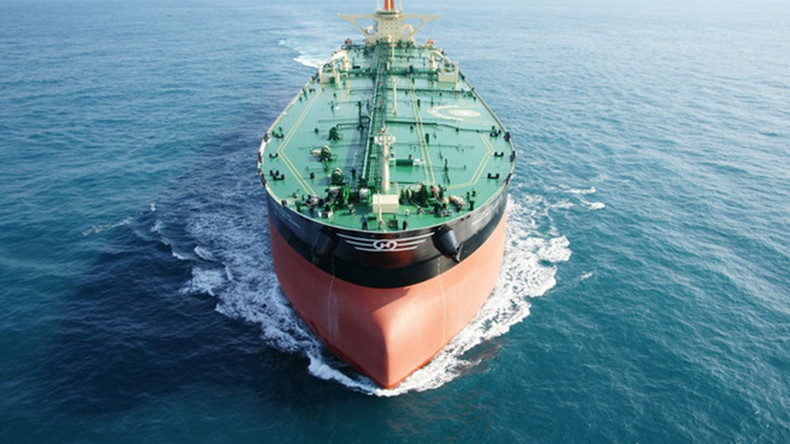


 4 sources
Morning Edition · Sunday, October 11, 2026Published at 1:17 AM EDT · New York
Supertanker Rates Topped $1 Million a Day as the Iran War Lengthened Oil Voyages
Brent crude ended Friday near $104 a barrel, and governments have begun a further 100-million-barrel emergency stock release that critics say uses up the world's last supply buffer.
The cost of shipping crude rose to record highs in September, according to OilPrice. Supertanker rates on the Persian Gulf to China route went above $1 million a day. The Iran war has rerouted trade and tied up tankers on longer, less efficient voyages, so fewer ships are available at any moment.
Brent crude rose to $104.43 a barrel on Friday. Traffic through the Strait of Hormuz declined after maritime agencies reported a series of attacks on vessels. That offset some relief from reports that Washington would not escalate the conflict with Iran this month.
Governments are drawing down emergency stocks again. The International Energy Agency (IEA), after consulting the Group of Seven (G7), said it would release another 100 million barrels of diesel, gasoline and crude. G7 leaders agreed on Oct. 2 to spread the release over four months, with a large share of the diesel delivered in the first 20 days. Member countries had already released 325 million barrels of the 400 million pledged in March. OilPrice argues that each release reduces the buffer left for the next disruption.
Shippers are looking for routes outside the Gulf. Russia's TASS reported that a South Korean container ship completed a voyage along the Northern Sea Route, the Arctic passage along Russia's coast. South Korean companies had not used the route since 2016. Moscow presents the Arctic route as an alternative to the Suez Canal and Gulf lanes, which the Iran war has made riskier.
A separate fleet of tankers that carries sanctioned cargo outside mainstream shipping channels (sometimes called a shadow fleet) is also under scrutiny. Ukraine's Defence Intelligence (DIU) published data on 20 vessels it says export Russian crude, oil products and liquefied natural gas, or refuel sanctioned ships. Kyiv's aim is to keep pressure on that fleet just as Washington relaxes sanctions on Russian diesel.
Part of a tracked trend
Hormuz Chokepoint Repricing
Recurring Gulf conflict forces energy exporters and importers to build costly workarounds around the Strait of Hormuz, permanently raising the risk premium embedded in Gulf trade and infrastructure.
What this means
Freight has become a second premium on top of crude. The delivered cost of oil for Asian importers such as China, India, Japan and South Korea is rising faster than Brent alone shows. Tanker owners and exporters with short, safe routes to buyers gain, and so does Russia, through its Arctic route and the easing of US sanctions. Strategic stock releases move the risk to a later date. Every barrel released now must eventually be bought back, probably at high prices, and the buffer for a new shock gets thinner. The precedent is the 2022 US release of 180 million barrels: it eased prices for months but left the Strategic Petroleum Reserve at its lowest level in about four decades, and refilling it was slow. The likelier outcome is that freight rates stay high through the northern winter for as long as Hormuz flows remain reduced. If US-Iran talks reopen normal traffic through the strait, freight should fall faster than crude, because the shortage of ships is a direct result of longer routes. That read fails if tanker supply loosens without a Hormuz settlement, for example through faster deliveries of new ships.
What to watch
- Weekly tanker counts through the Strait of Hormuz. A sustained recovery would cut both freight costs and the crude premium.
- Whether the IEA signals a further release once the current 100 million barrels are delivered. Another round would show governments are spending reserves faster than the disruption is easing.
- Additional Asian carriers booking Northern Sea Route voyages. More bookings would show Gulf risk is pushing trade toward Russian-controlled routes.
Observations to monitor, not financial advice.
Synthesized from: OilPrice (tanker rates) · OilPrice (emergency releases) · TASS · Ukrinform
Townsquare
Start a discussion in Townsquare.
More from this edition
- Washington Suspends Russian Diesel Sanctions Until April Under a Trump-Putin Supply Deal
- US Long-Term Yields Stay Near Two-Decade Highs as Pre-Election Spending Adds to Fiscal Worries
- Houthi Strike on Riyadh's Main Airport Kills 12 and Wounds 309
- Gold Rises 1.8% to About $4,183 While Bitcoin Slips Toward $82,800
- Indian Economists Expect the Reserve Bank to Raise Rates by Up to a Full Percentage Point as Oil Keeps Inflation Up
- Drone Strikes Shut a Third Yandex Data Center, Disrupting Russian Taxi, Delivery and Cloud Services
- Flávio Bolsonaro Pledges Only Inflation-Linked Minimum Wage Rises Before Brazil's Oct. 25 Runoff
Comments
1Oct 11, 5:17 AM · edited
Spread evenly over four months, the 100 million barrel release averages roughly 830,000 barrels a day, so front loading diesel into the first 20 days implies a lower daily rate later.