← The Global Intelligence Brief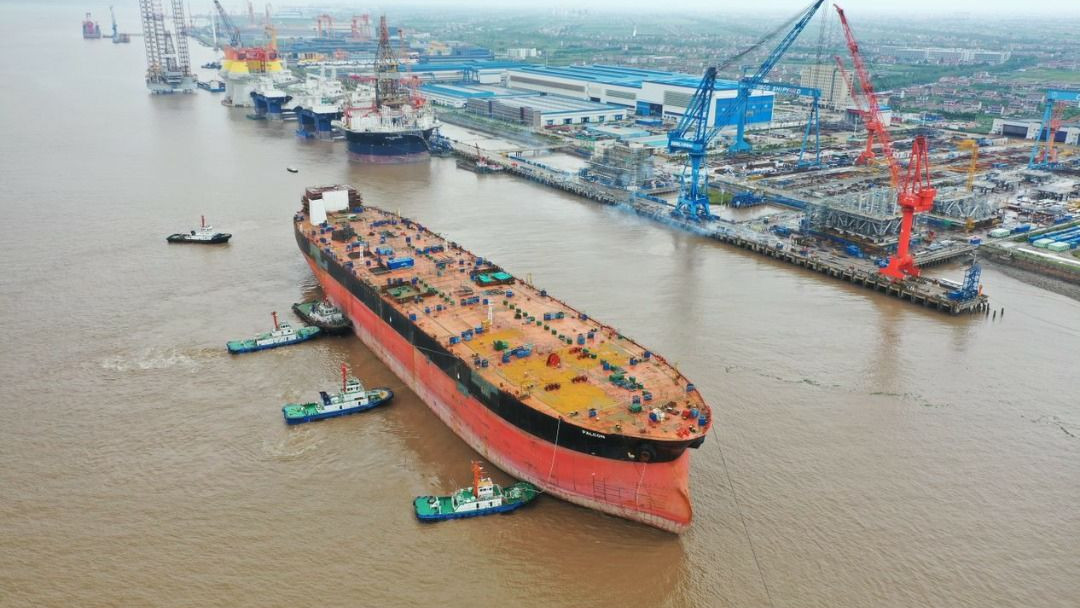
Morning Edition · Monday, October 19, 2026Published at 1:11 AM EDT · New York
Record tanker rates force oil sellers to cut prices as freight adds about $33 a barrel
In Pakistan, gas traders facing a price surge after a border closure ask the government to switch to daily pricing and stop pegging rates to Saudi Aramco's contract price.
Freight costs are now changing who buys which crude and at what price. OilPrice reports that shipping costs are pushing delivered prices above what refiners will pay, so sellers must cut their price differentials or look for buyers closer to home. Chinese refiners have been prominent among the buyers pulling back.
The numbers behind this are large. Rates for very large crude carriers (VLCCs) on the benchmark route from the Gulf to East Asia set a record above $637,000 a day on October 8, about 43 times the roughly $30,000 a day of early January, according to Gulf News. At those rates, freight adds almost $33 to the cost of each barrel, about 27% of its delivered price. Ship-to-ship transfers outside the Strait of Hormuz have grown from almost nothing before the war to more than six million barrels a day, according to one shipping analysis. Chinese independent refiners have been buying more crude from the Atlantic Basin.
Import-dependent economies feel the cost directly. In Pakistan, liquefied petroleum gas (LPG) prices have surged since the closure of the Rahimdad-250 border post, Dawn reports. Market participants have asked the government to move from monthly to weekly or daily pricing, as it does for petroleum products, and to stop linking prices to Saudi Aramco's contract price. A similar closure of the Gabd-Rimdan crossing with Iran in June stranded hundreds of LPG trucks and produced shortages in Karachi and Punjab.
The Pakistani request reflects a basic pricing mismatch: a monthly administered price set against a fixed benchmark cannot track a delivered cost that changes daily, so it produces shortages when the set price falls below the delivered cost.
Part of a tracked trend
Hormuz Chokepoint Repricing
Recurring Gulf conflict forces energy exporters and importers to build costly workarounds around the Strait of Hormuz, permanently raising the risk premium embedded in Gulf trade and infrastructure.
What this means
When freight takes a quarter of the delivered price, producers far from buyers lose and producers close to buyers gain. Middle East crude bound for Asia and West African crude bound for distant markets must be discounted at the source. Atlantic Basin crude sold to nearby refiners, and Russian product moving under the new US waiver, earns more of the benchmark price. Tanker owners collect what producers lose. Importers with administered prices and thin reserves, such as Pakistan, absorb the shock as shortages before any price change. The headline Brent price understates what Asian importers actually pay. The likelier outcome over the next three to six months is more long-term investment in routes and storage that avoid the strait, more regional trade, and slow normalization of freight even after any reopening, because insurers and owners will price the risk of another closure. The desk's read is wrong if Hormuz reopens under a durable settlement and VLCC rates fall back toward their January levels within weeks.
What to watch
- VLCC rates on the Gulf-to-East Asia route. A sustained fall from the October peak would show the freight premium leaving delivered crude prices.
- Official selling prices from Saudi Aramco for Asian buyers next month. Deeper discounts would confirm that producers far from their buyers are paying for the freight.
- Whether Pakistan adopts weekly or daily LPG pricing. A move to market-linked pricing would reduce shortages but pass higher costs straight to households.
Observations to monitor, not financial advice.
Townsquare
Start a discussion in Townsquare.
More from this edition
- Trump waives Graham Act sanctions on Russian energy, and Brent falls toward $108
- China's economy grew 4.5% in the third quarter as exports surged and retail sales barely rose
- Gold trades near $4,180 and silver near $58 after Warsh lowers expectations of an October Fed hike
- Putin proposes a summit with Trump and Xi in Shenzhen to negotiate an end to the Ukraine war
- Iran says its seven-day plan to reopen the Strait of Hormuz is still on the table
- Takaichi declines to rule out new government bonds to pay for Japan's food tax cut
- Ukraine hits a St. Petersburg oil terminal in a raid Russia says involved more than 1,000 drones
Comments
0No comments yet.