← The Global Intelligence Brief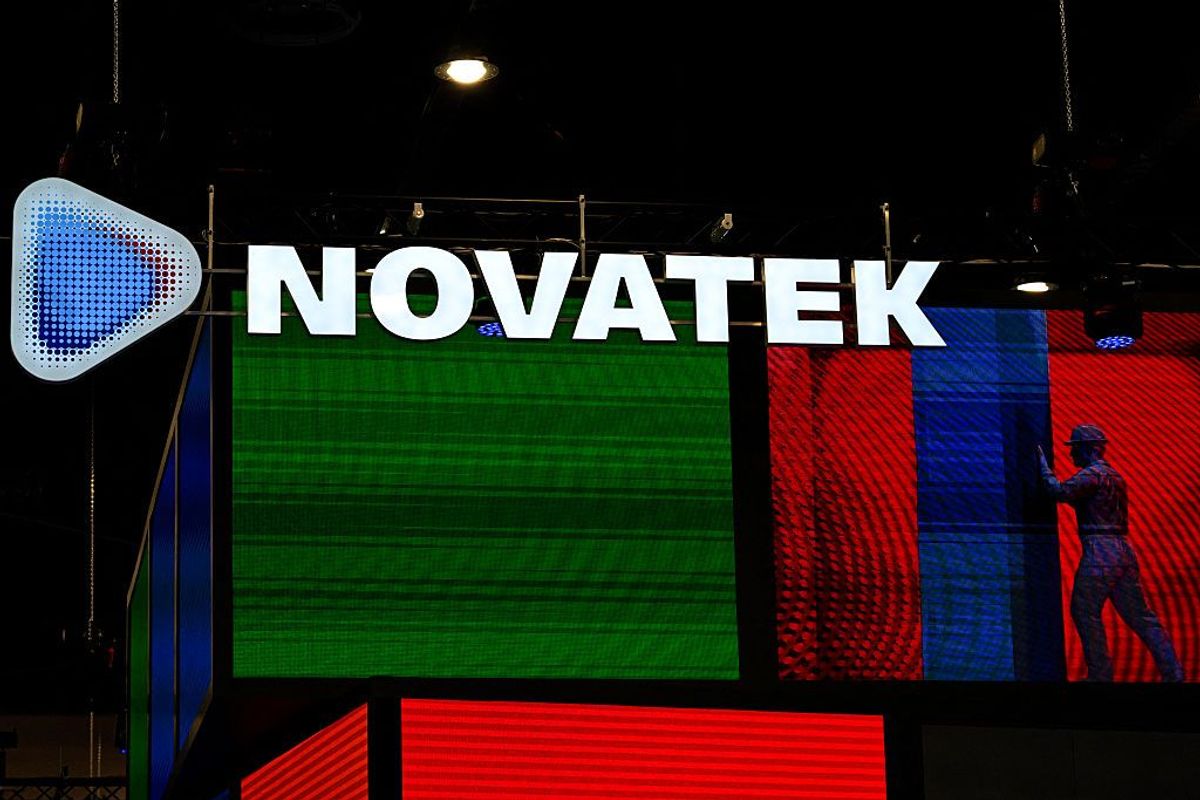


 3 sources
Morning Edition · Sunday, October 25, 2026Published at 1:18 AM EDT · New York
Sanctioned Russian gas producer Novatek secretly financed an Alaska LNG project discussed in US-Russia talks, New York Times reports
Polar LNG's former chief executive resigned in September after learning of the Russian money and says he warned Trump administration officials.
Novatek, Russia's second-largest producer of liquefied natural gas (LNG), secretly funded Polar LNG, an American company planning to liquefy and export gas from Alaska, The New York Times reported on October 23. The report was summarized by the Kyiv Independent. The United States has sanctioned Novatek since Russia's full-scale invasion of Ukraine in 2022, so the funding may have broken sanctions. According to the Times' sources, the project was part of an energy deal that US envoys Steve Witkoff and Jared Kushner discussed during their September visit to the Kremlin. The report does not establish whether either envoy knew of the financial link.
John Riddle, Polar LNG's former chief executive, resigned in September after learning of the hidden ties to Novatek. He says he told Trump administration officials about the Russian financing and urged them to investigate.
The arrangement has a public history. In February, Russian-language outlet Meduza reported that Gentry Beach, an investor close to the Trump family, told the Times he had reached an agreement with Novatek to develop an Alaskan gas field using a mobile liquefaction unit being built at Novatek's site in the Murmansk region. In March, the Russian edition of The Moscow Times reported that Polar LNG wanted to buy equipment from Novatek's sanctioned Arctic LNG 2 project. It had applied to the US Treasury's Office of Foreign Assets Control (OFAC) for permission. The first phase was expected to cost $8 billion to $9 billion, with an investment decision in mid-2027 and first production in 2029 or 2030.
Each party has its own reason to promote a particular version. Kyiv-based outlets present the deal as evidence that Washington is trading sanctions enforcement for commercial gain. Moscow has an interest in giving US officials a financial stake in a settlement. For Washington, the deal would mean more US LNG exports and Alaskan jobs.
Part of a tracked trend
Sanctions Bend to Pump Prices
Each time high fuel prices threaten Washington's domestic politics, it trades temporary sanctions relief for Russian energy supply. Russian barrels regain Western market access step by step, and the deterrent value of US sanctions declines.
Veracity: Corroborated
76/100- If true, who benefits
Novatek gains a buyer for equipment stranded at Arctic LNG 2 and a stake in a US project. Kyiv and competing US liquefied natural gas (LNG) developers gain if the report makes sanctions relief for Russia harder to grant.
- The nuance
The core claim has two independent sources, The New York Times and the Financial Times. Other reporting names the executive as Joel Riddle and says he was told the money came from a firm in the United Arab Emirates. That makes the intermediary's role important. Whether US sanctions were actually broken depends on a ruling by the US Treasury's Office of Foreign Assets Control (OFAC), not on the press reports, and neither Novatek nor the Kremlin has responded publicly.
An open-source-intelligence read of how likely this story is true with its real nuance, not a judgment of any outlet. It assesses the claim, weighing independent and adversarial reporting. How we label confidence.
Synthesized from: Kyiv Independent · Meduza (Russian) · The Moscow Times (Russian)
Townsquare
Start a discussion in Townsquare.
More from this edition
- Iran says mines disabled two supertankers near Hormuz as Brent settles at $116.72
- Gold falls below $4,000 as oil-driven inflation revives bets on a Federal Reserve rate increase
- France's 10-year borrowing cost tops 5.1% as cost-of-living protests return for a second weekend
- Brazil votes in a presidential runoff between Lula and Flávio Bolsonaro with polls showing a tie
- Chinese stocks have lost $3.5 trillion since May as corporate earnings miss forecasts
- Japan's opposition demands Takaichi state the payments and funding in her consumption-tax cut bill
- Bitcoin near $80,000 puts pressure on the preferred-stock funding behind Strategy's purchases
Comments
0No comments yet.