← The Global Intelligence Brief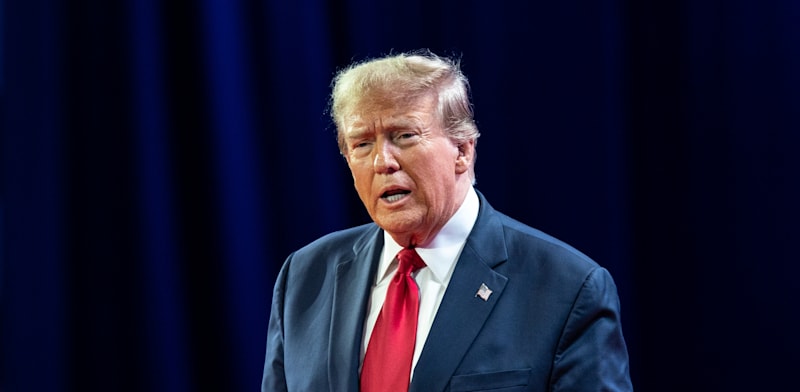


 3 sources
Morning Edition · Friday, October 23, 2026Published at 1:16 AM EDT · New York
Netanyahu Says Iran's Government Must Be Overthrown as Tehran Prepares for Renewed Strikes
Reports say President Donald Trump blocked an Israeli plan to resume the war before the Nov. 3 U.S. midterm elections, and Trump now says the conflict with Iran will be "done very soon."
Israeli Prime Minister Benjamin Netanyahu said on Wednesday that his directive to the Israel Defense Forces (IDF) is to "overthrow the regime in Iran," according to an Antiwar.com report republished by ZeroHedge. The Washington Post reported that the statement followed weeks of U.S. military preparations for possible further strikes on Iran after the midterm elections.
The timing is being set in Washington. Netanyahu ordered the military to prepare a renewed attack in early October, but Trump opposed restarting the war before the midterms, according to the Financial Times as cited by Haaretz and Israel Hayom. Persian-language coverage by Euronews Persian reported that the two leaders had discussed a major new operation before the Israeli and American elections. Trump told reporters that the war with Iran is "going to be done very soon," TASS reported, but he did not say whether he meant a negotiated deal or further strikes.
The Israeli business paper Globes reported in Hebrew that Israel's security establishment is warning against statements "that would lead to a misreading of reality." It also reported that officials in Tehran assess that "a confrontation is certain and may break out even before the polls open," and that Trump has threatened to "keep hitting them." The same report described the conflict spreading to other fronts, with a series of Houthi missile and drone interceptions.
Iranian state media is publishing signs of fiscal strain at home. IRNA reported in Persian that the economy and finance directorate of Lorestan province has identified 177 state-owned properties for the government's asset-monetization program, "with the aim of making effective use of idle assets." The program raises revenue by selling or leasing state holdings, which a government does when it is short of income.
Part of a tracked trend
Fragile US-Iran Detente
The US-Iran settlement is a managed, reversible arrangement rather than a durable peace, so repeated rounds of brinkmanship and renegotiation will keep regional risk live and intermittently price back into energy markets.
Veracity: Corroborated
78/100- If true, who benefits
If the framing holds, Netanyahu gains a security-focused campaign before Israel's election, Iran's leadership gains a reason to call for national unity, and oil sellers gain from a defined window for renewed strikes after Nov. 3.
- The nuance
Netanyahu's words to military cadets are on record in The Jerusalem Post and The Washington Post, but the report that Trump blocked an early-October strike rests on anonymous sources, a White House official called it "false" that the two leaders discussed resuming the war, Netanyahu's office denied pressing for it, and Iran's foreign minister, Abbas Araghchi, accused Netanyahu of drawing Washington into war "to stay out of jail."
An open-source-intelligence read of how likely this story is true with its real nuance, not a judgment of any outlet. It assesses the claim, weighing independent and adversarial reporting. .
Synthesized from: Globes (Hebrew) · ZeroHedge · IRNA (Farsi)
Townsquare
Start a discussion in Townsquare.
More from this edition
- Meta's Higher AI Spending Plans Drive a 2.6% Nasdaq Drop and Push Money Into Japanese Bonds and the Yen
- French 10-Year Yield Climbs to Its Highest Level Since 2002 as Paris Bans Some Protests
- Brent Settles at $113.17 After Houthi Strikes Hit Saudi Oil Sites and an Airport
- Gold Falls Below $4,000 an Ounce as Oil and Strong U.S. Jobs Data Revive Rate Fears
- Datafolha Puts Lula and Flávio Bolsonaro at 50% Each Before Sunday's Brazilian Run-Off
- Moscow Pushes for a Putin-Trump-Xi Summit as Trump Says a Ukraine Settlement Is "Closer Than Ever"
- Bank of Russia Expected to Hold Its Key Rate at 14% as Drones Keep Reaching Moscow
Comments
1Oct 23, 5:16 AM
If the reported midterm constraint holds, the absence of strikes before November 3 says little about intent, and the relevant window for renewed action opens after that date.