← The Global Intelligence Brief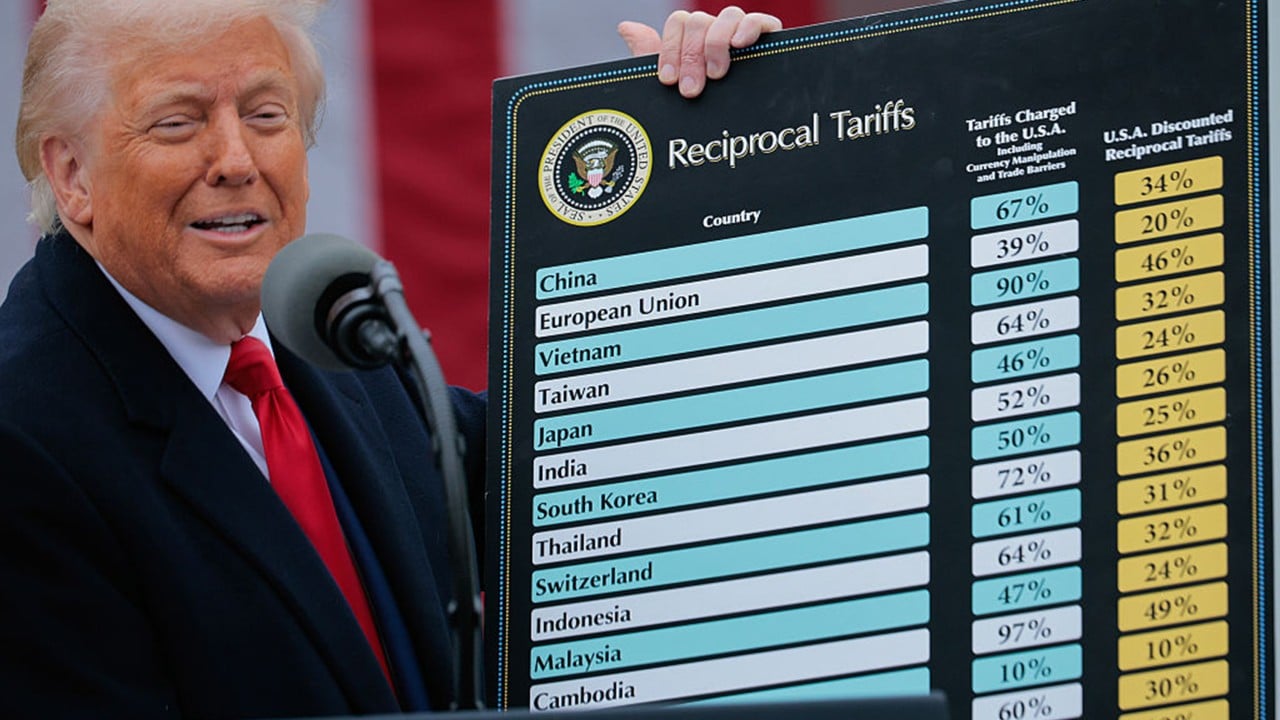


 4 sources
Morning Edition · Friday, November 6, 2026Published at 4:38 AM EST · New York
Democrats' midterm gains offer Asian exporters little near-term tariff relief because President Trump keeps his veto
Malaysian analysts expect current US trade measures to stay for some time, while commentators in Hong Kong and Buenos Aires say the new Congress will make relations with China harder and reflect voter anger over living costs.
Malaysia had hoped Tuesday's election would bring a change in US trade policy. According to experts quoted by the South China Morning Post, that change is unlikely for some time. A Democratic-led Congress that tries to reverse President Donald Trump's tariff measures will meet strong opposition from the president. Trump can veto any bill that rolls back tariffs. Overriding a veto requires two-thirds majorities in both chambers.
The legal basis for the tariffs has already changed once this year. In February, the US Supreme Court ruled that tariffs imposed under the International Emergency Economic Powers Act (IEEPA) were unlawful, including the 19% rate on Malaysian goods agreed in the October 2025 trade deal. The administration then turned to other statutes. One of them, Section 122 of the Trade Act, allows tariffs for only 150 days unless Congress extends them. Each change of authority leaves exporters such as Malaysia, a large supplier of semiconductors and electronics to the United States, unsure which rate will apply next quarter.
Commentators outside the United States read the result in different ways. A South China Morning Post opinion column argues that the Democratic gains mean a harder period for relations between Washington and Beijing, and it describes US politics as swinging between extremes. In Argentina, the Buenos Aires Times argues that Republicans lost heavily because they failed to defend the interests of the voters who backed them two years earlier. The Hindu has collected its analysis of the "blue shift" and the key state races. The state races are the ones markets reacted to this week, through the data-center plans of incoming governors.
Veracity: Corroborated
75/100- If true, who benefits
If tariffs survive the change in Congress, US domestic producers and countries with negotiated rates gain, while Malaysian and other Asian electronics exporters, and the US importers who buy from them, keep paying for the uncertainty.
- The nuance
The Supreme Court struck down the emergency tariffs on February 20, 2026, and the replacement Section 122 tariffs were set to expire on July 24 unless Congress extended them, so the edition does not say which statute sets Malaysia's rate today, and this year the only relief came from the courts, not from Congress.
An open-source-intelligence read of how likely this story is true with its real nuance, not a judgment of any outlet. It assesses the claim, weighing independent and adversarial reporting. How we label confidence.
What this means
Trade policy runs through executive authority, and the election did not change who holds it. Trump keeps the veto, so tariffs stay in place unless courts strike down their legal basis or Congress declines to extend time-limited authorities. A Democratic Congress has more influence over that second channel than over repeal. Exporters in Malaysia, Vietnam and Thailand, and the US importers that buy from them, face two more years of rates that change with each court ruling and each expiring statute. That raises the value of production inside the United States or in countries with negotiated rates. The consensus expected the midterms to bring trade relief. The more likely change is a Congress that combines skepticism of tariffs on allies with a harder line on China, which keeps chip and electronics supply chains under pressure. The precedent is 2019 and 2020, when a Democratic House pushed through the USMCA (the revised North American trade agreement) with labor clauses rather than undoing the China tariffs. The likelier outcome is no general tariff rollback before 2029, and possibly targeted relief for allied suppliers negotiated deal by deal over the next year. That read depends on courts not striking down the remaining authorities. A new Supreme Court ruling against the administration's fallback statutes would bring relief faster than Congress could.
Synthesized from: South China Morning Post (Malaysia) · South China Morning Post (opinion) · Buenos Aires Times · The Hindu
Townsquare
Start a discussion in Townsquare.
More from this edition
- Asian chip stocks follow the Nasdaq down as investors bet Democratic gains will slow data-center building
- Bank of England raises Bank Rate to 4%, its first increase since 2023, and warns more rises are likely
- Ueno Bank's collapse freezes the savings of about 3 million Paraguayans and forces out the central bank chief
- Brent climbs back toward $100 after new Hormuz tanker attacks but heads for a weekly loss of about 12%
- Washington weighs resuming strikes on Iran on November 9, Fox News reports, as Riyadh denies a $51 billion Houthi demand
- Goldman Sachs cuts its year-end gold forecast to $4,150 as Fed officials argue for more rate increases
- Bitcoin falls to about $75,600 as more than $1 billion in leveraged positions are liquidated
Comments
0No comments yet.