← The Global Intelligence Brief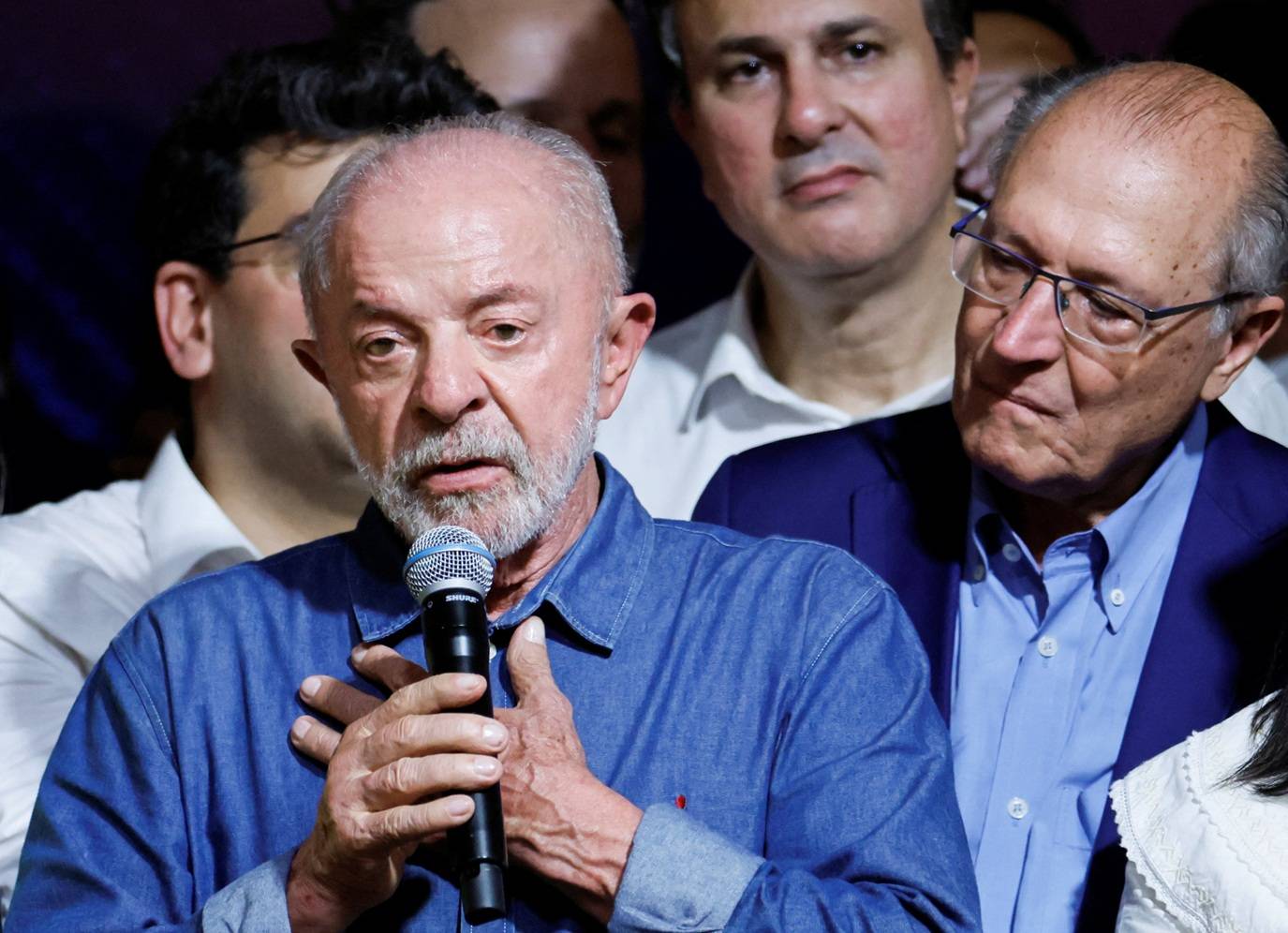


 4 sources
Morning Edition · Friday, November 6, 2026Published at 4:38 AM EST · New York
Lula prepares a Sunday address on debt and interest rates after Brazilian stocks have their worst week since 2020
The Ibovespa fell 18.12% and the dollar rose 9.04% against the real in the week after the October 25 election, and the Banco Master fraud case is pushing the state-owned Banco de Brasília toward job cuts and possible privatization.
Brazilian markets reacted sharply to President Luiz Inácio Lula da Silva's reelection to a fourth term. In the week to October 30, the Ibovespa fell 18.12%, its worst week since March 2020, and the dollar rose 9.04% to 5.4443 reais, its largest weekly gain since October 2008, according to Times Brasil. On the Monday after the election alone, the index fell 13.88%.
The government is now negotiating a response. InfoMoney (in Portuguese) describes Lula as bargaining over a fiscal adjustment at the same time as he seeks political support and a role in the contests for the leadership of Congress. Brazilian reports say Lula will give a televised address on Sunday, November 8, his first since the election, focused on interest rates and debt. Finance Minister Dario Durigan has said that a proposal to cap interest rates is not under discussion. The same report cites Morgan Stanley's view that the dollar could reach 6 reais if no measures follow.
Lula presents the result differently. MercoPress reports that he called his re-election "a lesson for the world" and linked it to the electoral setbacks of Israeli Prime Minister Benjamin Netanyahu and US President Donald Trump in the same week. Vermelho, a pro-government outlet, accuses the market of demanding a rushed adjustment.
A banking scandal adds to the pressure. Folha reports (in Portuguese) that Banco de Brasília (BRB) is discussing a voluntary-departure plan that would cut about 15% of staff, following losses tied to its dealings with Banco Master. The Federal District's plan to privatize BRB is under discussion again after Governor Celina Leão won re-election. Supreme Federal Court President Edson Fachin kept Fabiano Zettel, the brother-in-law of Banco Master owner Daniel Vorcaro, in prison as part of the investigation into fraud at the bank.
Part of a tracked trend
Emerging-Market Elections Turn on Fiscal Credibility
In large emerging markets, polarised elections keep making fiscal rules and congressional arithmetic, rather than the identity of the winner, the main determinant of currency and local-rate pricing.
Veracity: Corroborated
85/100- If true, who benefits
Exporters and dollar-based buyers of Brazilian assets gain from a weaker real, and investors pressing for fiscal tightening gain leverage before President Luiz Inácio Lula da Silva's Sunday address.
- The nuance
The 18.12% weekly fall also reflects currency hedging before the Finados (All Souls' Day) long weekend, so the move mixes fiscal fear with holiday positioning, and the pro-government outlet Vermelho and market participants each describe the pressure as the other side's doing.
An open-source-intelligence read of how likely this story is true with its real nuance, not a judgment of any outlet. It assesses the claim, weighing independent and adversarial reporting. How we label confidence.
What this means
The pressure works through the currency. A weaker real raises import prices and inflation. That makes it harder for the central bank to cut rates, which raises the cost of Brazil's public debt, which further weakens the real. Holders of local-currency bonds, importers and companies with dollar debt carry the risk. Exporters and dollar-based investors buying Brazilian assets gain. The market has already priced a fiscal shock. Sunday's address and the announced measures are the new information. The consensus assumes Lula will choose between austerity and spending. The 2015 precedent suggests he will announce a fiscal target and then have Congress weaken it in practice, an approach that produced months of calm in 2015 before the downgrade to junk status. The likelier outcome is a partial rebound in the real and in stocks next week if the address includes a specific spending rule. Pressure would return within months if Congress weakens the rule. A cap on interest rates, or a joint fiscal-monetary council that weakens central bank independence, would prove this read wrong and send the dollar toward 6 reais.
Synthesized from: InfoMoney · MercoPress · Folha · Times Brasil
Townsquare
Start a discussion in Townsquare.
More from this edition
- Asian chip stocks follow the Nasdaq down as investors bet Democratic gains will slow data-center building
- Bank of England raises Bank Rate to 4%, its first increase since 2023, and warns more rises are likely
- Ueno Bank's collapse freezes the savings of about 3 million Paraguayans and forces out the central bank chief
- Brent climbs back toward $100 after new Hormuz tanker attacks but heads for a weekly loss of about 12%
- Washington weighs resuming strikes on Iran on November 9, Fox News reports, as Riyadh denies a $51 billion Houthi demand
- Goldman Sachs cuts its year-end gold forecast to $4,150 as Fed officials argue for more rate increases
- Bitcoin falls to about $75,600 as more than $1 billion in leveraged positions are liquidated
Comments
0No comments yet.