← The Polylog Weekly Recap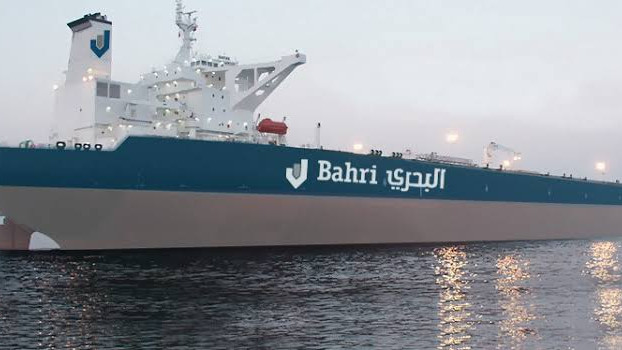
Morning Edition · Friday, October 9, 2026Published at 5:07 AM EDT · New York
Brent Returns Above $100 and Central Banks Turn Tighter in a Week That Hurt Oil Importers
The Reserve Bank of India raised its main rate for the first time since February 2023, the rupee traded close to its all-time low, and Brazilian assets rose sharply after Flávio Bolsonaro finished first in the first round.
Oil was the main development of the week. Brent settled at $104 on October 8 after Iran increased its attacks on tankers and a hurricane threatened Gulf of Mexico production. Brent held above $100 on Friday. Traffic through the Strait of Hormuz fell to its lowest level since July. Gulf producers kept exports close to prewar volumes by loading more crude at Red Sea and Gulf of Oman ports outside the strait. President Donald Trump said the United States will not strike Iran before the November 3 midterm elections, and Iran is reviewing a US counteroffer on its plan for the strait. Trump's pledge closes one route to escalation for four weeks. It does nothing about the tanker attacks, and those attacks drove this week's oil price.
The second development was the effect of oil prices on interest rates. The US 10-year Treasury yield reached 5.34% and the 30-year yield touched 5.7%. Both are the highest levels since 2002. Minutes from the Federal Reserve's September meeting showed unanimous support for that month's rate increase, and a majority of officials favored another increase by year end. European Central Bank minutes said the energy shock will keep inflation above target into 2027. India took the largest hit among major economies. The Reserve Bank of India raised its repo rate to 5.50%. Two days later the Sensex fell 1,045 points, and the rupee traded close to its all-time low of 96.96 per dollar.
The third development was Brazil. Flávio Bolsonaro won 47.04% of the first-round vote to President Lula's 45.15%. The Bovespa rose 7.7% to a record, and the real gained 4.1%. Polls for the October 25 runoff now show a tie. Brazilian asset prices therefore already assume a result that is still undecided.
Several tracked theses gained support. Our thesis that the war is reaching Russia's interior rose 7 points: Russia said 650 Ukrainian drones flew toward Moscow, and Yandex confirmed that a drone-caused fire shut its largest data center. Saudi Arabia, Turkey and Pakistan invoked their Mecca defence pact for the first time, which supports the thesis that middle powers are building security blocs without Washington. Anthropic priced Claude Haiku 5.5 at $0.10 per million input tokens, the same price as OpenAI's GPT-6 Luna.
The desk's thesis that the dollar is losing its reserve role had a bad week. Treasury yields and the dollar both rose. Gold is down more than 20% since the war began, and the euro fell to a 17-month low on concerns about French debt. In the short run, investors moved toward dollars. The thesis that AI is moving into autonomous science also lost support: OpenAI withdrew three of its 722 AI-written math papers after a sign error, and formal proofs cover the main result of only 162 of them. Bitcoin fell for a fourth straight day to about $82,700 as money left bitcoin exchange-traded funds. That move is consistent with bitcoin trading as a risk asset.
Next week depends on Iran's reply to the US counteroffer, which Iran's foreign minister promised within days.
Townsquare
Start a discussion in Townsquare.
Comments
0No comments yet.