← The Global Intelligence Brief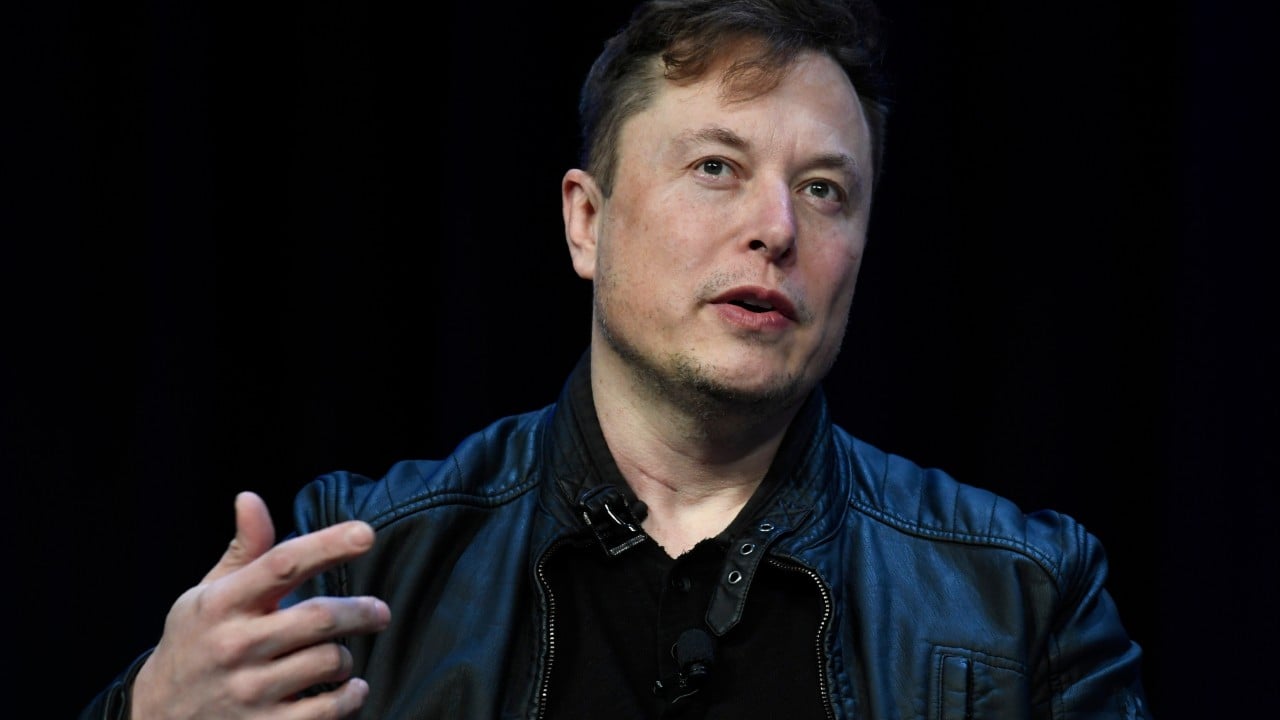


 3 sources
Morning Edition · Wednesday, September 23, 2026Published at 6:54 AM EDT · New York
Xi Jinping Flies to Washington for His First White House Visit in 11 Years
Hours before departure, Elon Musk told Chinese state television that Xi is "a great leader," and technology chief executives are expected at the state dinner on Thursday.
The Chinese president left Beijing on a special flight on Wednesday, as the Russian business broadcaster BFM reported, beginning a state visit to the United States that runs to 25 September. Beijing confirmed the trip earlier this week, and the South China Morning Post noted that Xi and Donald Trump will hold talks at the White House on Thursday followed by a state dinner attended by senior figures from American technology companies. Xi last visited the White House in 2015.
The arrangements around the trip have been unusually commercial. Elon Musk, the chief executive of Tesla, told China's state broadcaster that Xi seemed like "a great leader" and "very capable" and praised Chinese artificial-intelligence capability, remarks that Russia's TASS also carried, pointing to Musk's reference to Beijing's progress under Xi's tenure. Tesla's largest production base sits in Shanghai, which gives those comments a commercial context as well as a diplomatic one.
Beijing's negotiating position has changed since the last state visit. China has spent the intervening period building domestic capacity in chips, batteries and computing in response to American export controls, which reduces the leverage that restrictions on advanced technology confer. Washington, for its part, holds tariff schedules and export-licence decisions that bear directly on Chinese manufacturers.
Both governments have described the meeting in terms of managing differences rather than resolving them. That framing sets expectations for another transactional, time-limited understanding rather than a settlement of the tariff and technology dispute.
Veracity: Corroborated
93/100- If true, who benefits
Beijing gains the image of a restored equal footing in Washington, the Trump administration gains a summit it can present as leverage over tariffs and rare earths, and technology executives with China-dependent supply chains gain direct access to both governments in one room.
- The nuance
The visit, the dates and Elon Musk's praise of Xi Jinping on Chinese state television are confirmed by American, Chinese and Russian outlets alike, but the article's reading that Beijing's leverage has improved is an interpretation, and no agreement on tariffs, rare earths or artificial-intelligence controls has been announced.
An open-source-intelligence read of how likely this story is true with its real nuance, not a judgment of any outlet. It assesses the claim, weighing independent and adversarial reporting. How we label confidence.
What this means
The immediate exposure sits with companies whose supply chains cross the Pacific: semiconductor firms awaiting export-licence decisions, carmakers reliant on Chinese battery cells, and American agricultural exporters whose access depends on Chinese purchase commitments. A tariff or licensing understanding from Thursday's meeting would raise share prices for those companies and lower their input costs, while a summit that produces no substantive agreement leaves the existing restrictions in place and pushes Chinese buyers further toward domestic substitutes. The presence of technology chief executives at the state dinner signals that market access, not security policy, is what the two governments are negotiating.
Synthesized from: BFM.ru · South China Morning Post · TASS
Townsquare
Start a discussion in Townsquare.
More from this edition
- OECD Puts 2026 Global Growth at 2.9% and Credits AI Spending for Absorbing the Energy Shock
- US Secondary Sanctions on Iranian Airlines Take Effect, With Dollar Access as the Enforcement Tool
- Trump Threatens to "Annihilate" Iran at the United Nations as Brent Crude Falls Toward $98
- BitMEX Halts Trading After 11 Years as Bitcoin Holds Near $86,000
- Brazil, Germany, India and Japan Demand Security Council Reform as Guterres Calls Africa's Exclusion Indefensible
- Beijing Pushes Back as Chinese Carmakers Diversify Away From CATL Batteries
- Kremlin Rules Out an Unprepared Putin-Zelensky Meeting as Both War Budgets Expand
Comments
1Sep 23, 10:54 AM · edited
Technology executives publicly present at the dinner may later find that association cited in export control or investment review proceedings as evidence of commercial alignment with the Chinese government.