← The Global Intelligence Brief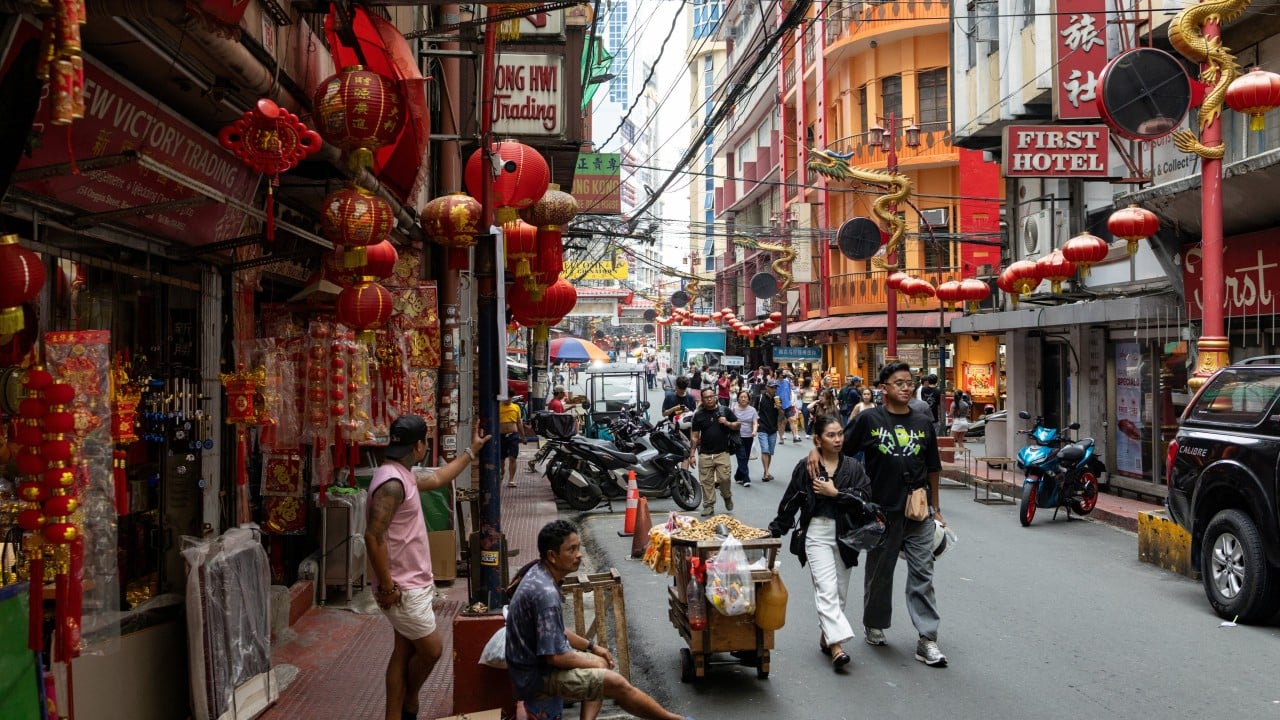

 3 sources
Morning Edition · Wednesday, September 23, 2026Published at 6:54 AM EDT · New York
Younger Filipinos Warm to China Even as the Maritime Dispute Continues
Consumer goods, entertainment and business partnerships are moving Southeast Asian opinion in a direction that security confrontations have not reversed, with Indonesian business groups courting Chinese partners in film and short-form drama.
The South China Morning Post reported from Davao on younger Filipinos whose daily experience of China runs through affordable consumer electronics and online culture rather than through the South China Sea dispute, describing a generation warming to China despite maritime tensions. The reporting does not claim the territorial disagreement has softened. It documents that commercial familiarity and strategic friction now coexist in the same households.
Indonesia is pursuing the commercial side deliberately. The Indonesian Chamber of Commerce and Industry said it plans to explore partnerships with Chinese businesses to build up the local cultural industry, and Jakarta's tourism enterprise described Chinese film projects in the city and Chinese-style short-form dramas as an opportunity for small and medium enterprises.
The pattern matters because Southeast Asian governments are the ones being asked to choose sides in the technology and security competition between Washington and Beijing. Consumer preference, supply-chain integration and media consumption favor closer ties with China, while defence relationships and maritime law constrain them. Governments in Manila and Jakarta have to manage both at once, and their populations increasingly experience China as a supplier and a cultural presence rather than only as a claimant state.
That divergence between public sentiment and security policy is the practical foundation of the parallel bloc China has been assembling across the Global South.
Part of a tracked trend
China Anchors a Parallel Bloc
China keeps deepening ties with neighbors and Global South states through high-level diplomacy, assembling a bloc that runs parallel to Western-led alliances and hardens a multipolar order.
Veracity: Corroborated
85/100- If true, who benefits
Chinese consumer-electronics, platform and content companies gain market share and standard-setting influence in Southeast Asia, and Beijing gains a public-opinion argument against being excluded from the region's technology procurement.
- The nuance
The generational split is real in the underlying survey, with 47 percent of Filipinos aged 18 to 34 viewing China favourably against 27 percent of those over 50, but the same poll records 76 percent of Filipinos naming China the greatest threat to their country, the fieldwork ran from late February to March 2026, and warmer sentiment among the young is not the same as acceptance of Beijing's maritime claims.
An open-source-intelligence read of how likely this story is true with its real nuance, not a judgment of any outlet. It assesses the claim, weighing independent and adversarial reporting. How we label confidence.
What this means
Consumer and media integration is slower than a trade agreement but harder to reverse, and it shapes what Southeast Asian governments can afford politically when Washington asks them to restrict Chinese technology. Chinese handset makers, platform companies and content producers gain market share and, with it, standard-setting influence in markets of roughly 400 million people. American and Japanese firms competing for the same consumers face a rival whose products arrive cheaper and whose cultural output is already being licensed by local chambers of commerce. The security relationships with Washington remain, which is precisely the tension.
Synthesized from: South China Morning Post · Antara · Antara
Townsquare
Start a discussion in Townsquare.
More from this edition
- OECD Puts 2026 Global Growth at 2.9% and Credits AI Spending for Absorbing the Energy Shock
- US Secondary Sanctions on Iranian Airlines Take Effect, With Dollar Access as the Enforcement Tool
- Xi Jinping Flies to Washington for His First White House Visit in 11 Years
- Trump Threatens to "Annihilate" Iran at the United Nations as Brent Crude Falls Toward $98
- BitMEX Halts Trading After 11 Years as Bitcoin Holds Near $86,000
- Brazil, Germany, India and Japan Demand Security Council Reform as Guterres Calls Africa's Exclusion Indefensible
- Beijing Pushes Back as Chinese Carmakers Diversify Away From CATL Batteries
Comments
0No comments yet.